
Mardin
Mardin rises in honey-colored terraces from a ridge above the Mesopotamian plain, about two hours by road from Diyarbakır. Its old town is a dense maze of carved stone houses, medieval madrasas, minarets, and Syriac churches, built up the slope by the Artuqids and later dynasties. Arabic, Kurdish, Turkish, and Syriac are all heard here. Each culture has shaped the city's food. Farther afield, Mardin Province holds the Deyrulzafaran Monastery, the Syriac heartland of Tur Abdin around Midyat, and the Byzantine frontier fortress of Dara.
Let the activities begin!
No tours match these filters yet. Try another destination or browse all tours.
Top 10 Things to Do in Mardin
Mardin Castle
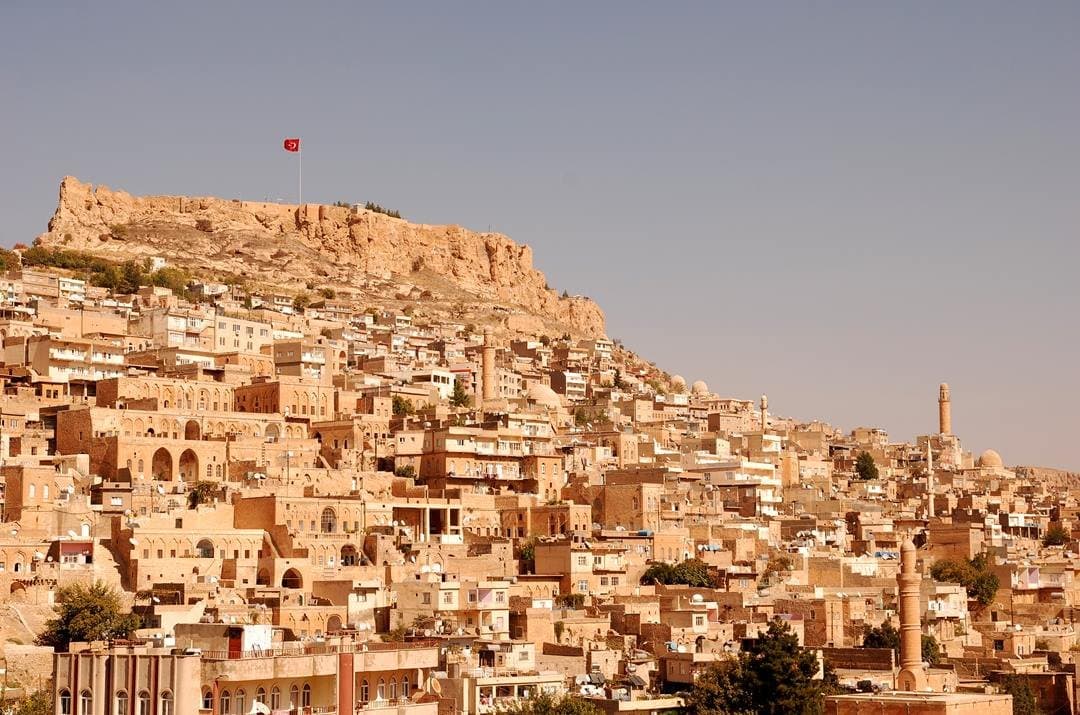
Mardin Castle is situated above the city on a high hill giving it the perfect position to tower over the city. Guided private tours of Mardin will take you up the steep path that leads to the fortress. Relief carvings of two magnificent lions on the gateway welcome you into the Castle. Try to take the Castle Tour at cool times of the day as it is quite a walk in the heat.
Hasankeyf
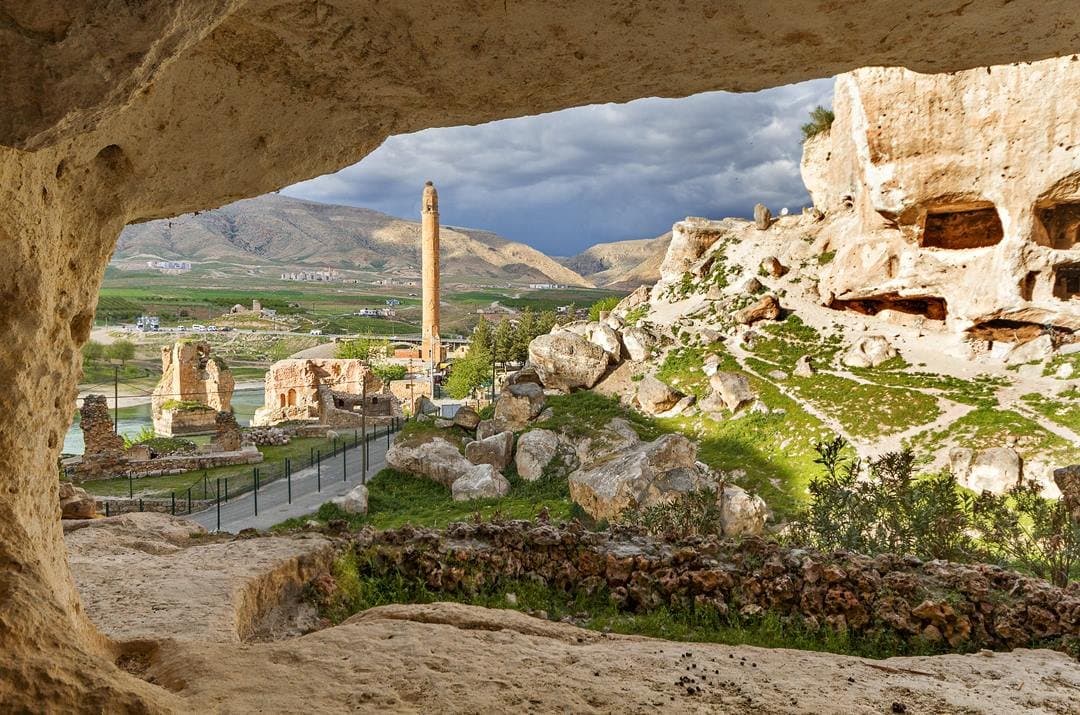
This lovely picturesque, quaint village is split in two by The Tigris River. Established by the Romans as a border post the town grew and prospered. Only ruins remain of the original grand bridge, but some ruins of buildings remain, the views in this area are fantastic. The future of this village is under threat constantly due to a dam built there in 1990 so visit this place while you can and don't miss out.
Ancient Roman city of Dara
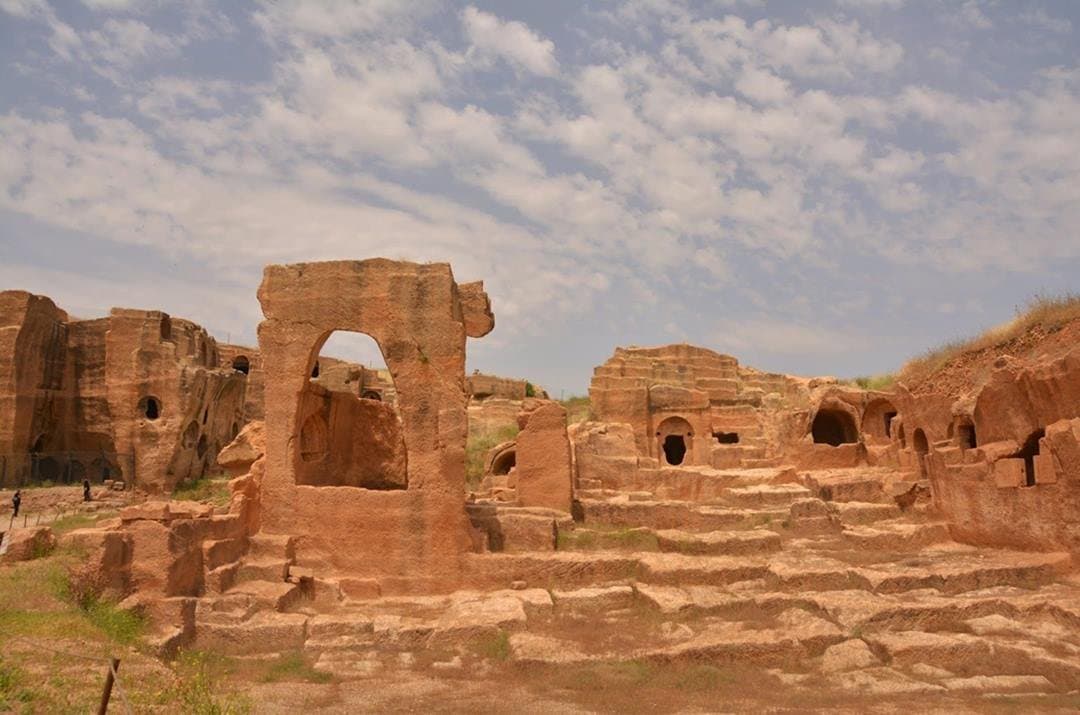
While Dara private tours may not be as famous as Ephesus or Pergamon, it is just as good but not so big. Archaeologists are currently carrying out excavation works on the site and have recently excavated an aqueduct and irrigation system complete with storage towers for water. This tour is great as you are allowed to walk into the towers which are unusual as this is an active site.
Mor Gabriel Monastery
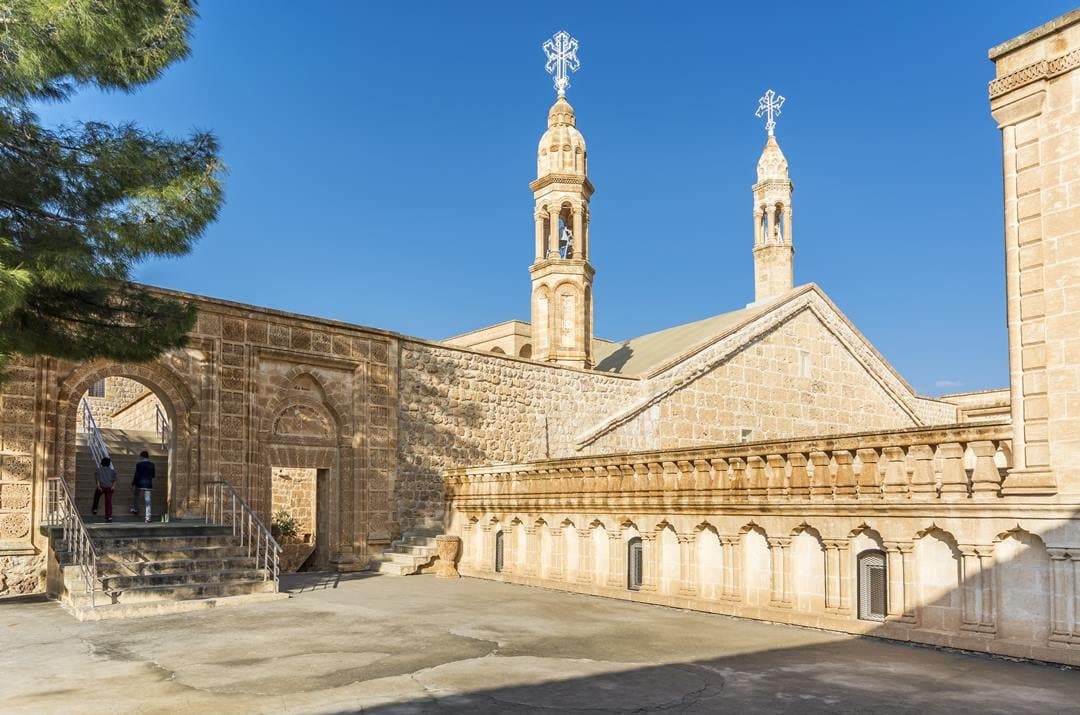
Private tours of Mor Gabriel, one of the oldest functioning monasteries in the world is a must do. The large sprawling complex is the center for Syriac community and houses a significant number of sites from Byzantine mosaics to a red brick dome building of Theodora and the church of the Virgin Mary. This holy place has great connections between the past and the present and is an excellent tour.
Zinciriye Medresesi
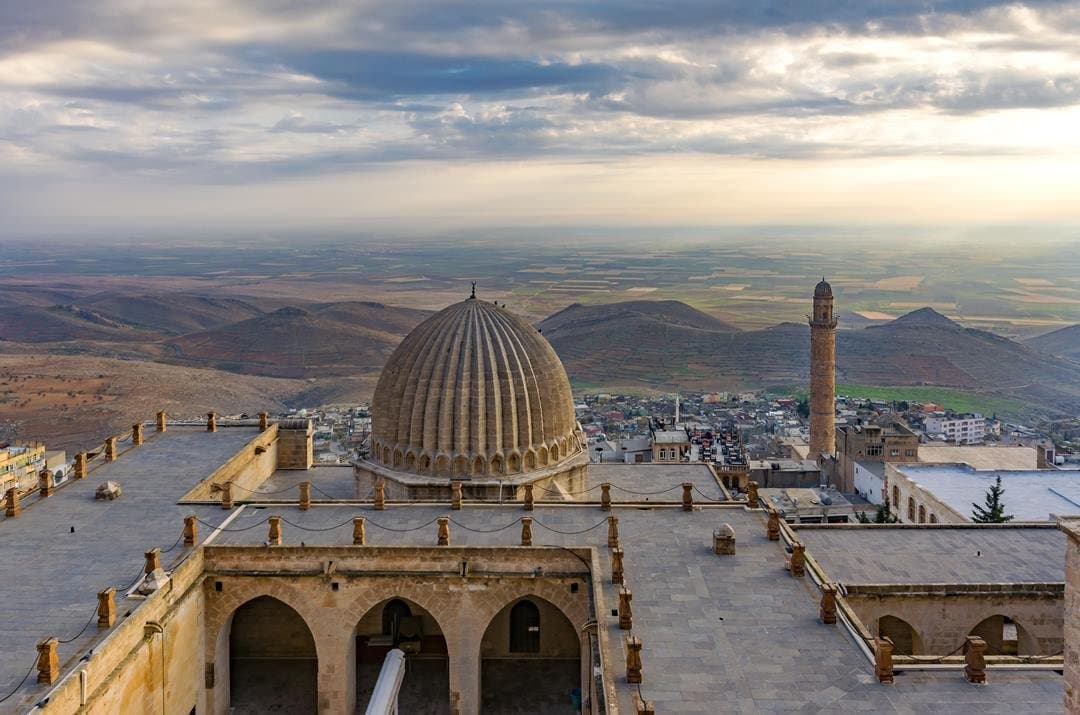
This old medrese in Mardin was founded in 1385, and private guided tours are available daily. One of the best-preserved buildings in Mardin, the complex has a domed mosque, two tranquil inner courtyards and a mausoleum. The highlight of this tour is the uniquely decorated and large doorway, which is a lovely example of Islamic artistry.
Kasımiye Medresesi
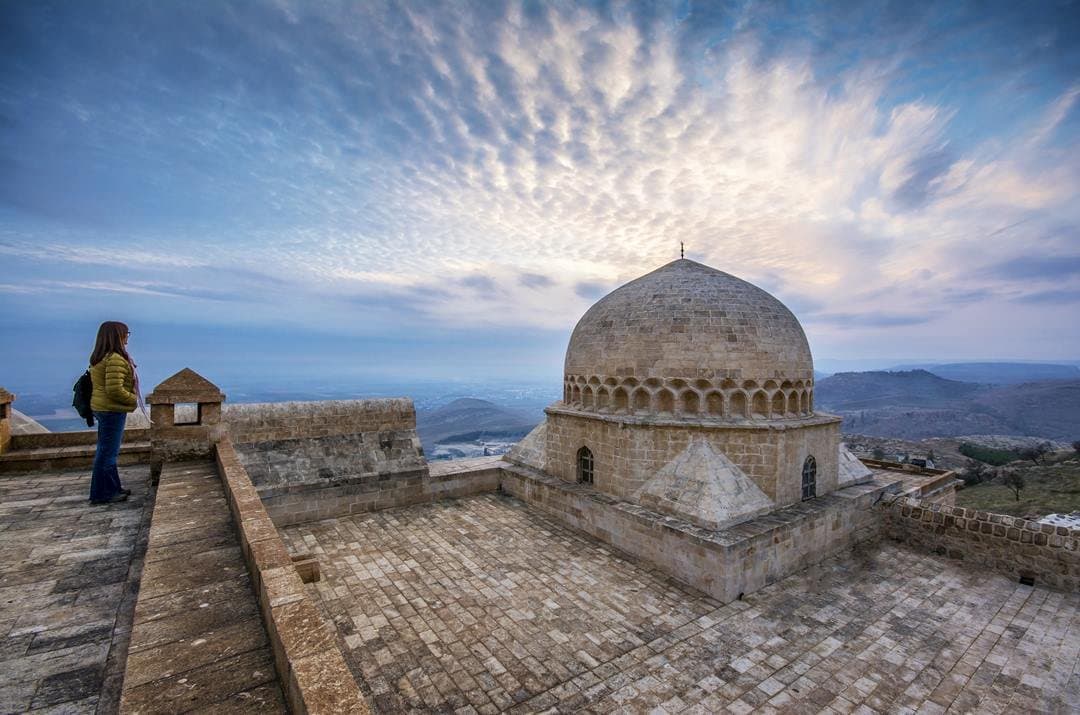
The Kasimiye Medresesi is a 15th-century complex consisting of a domed Mosque and theological college. Take a guided tour, and you will feel how peaceful the atmosphere is in this entire complex and lovely courtyards. Explore the rooms where students would have studied and lived while learning the Qur'an. The stone carvings on the doorways and vista's are a photographers dream.
Forty Martyrs Church
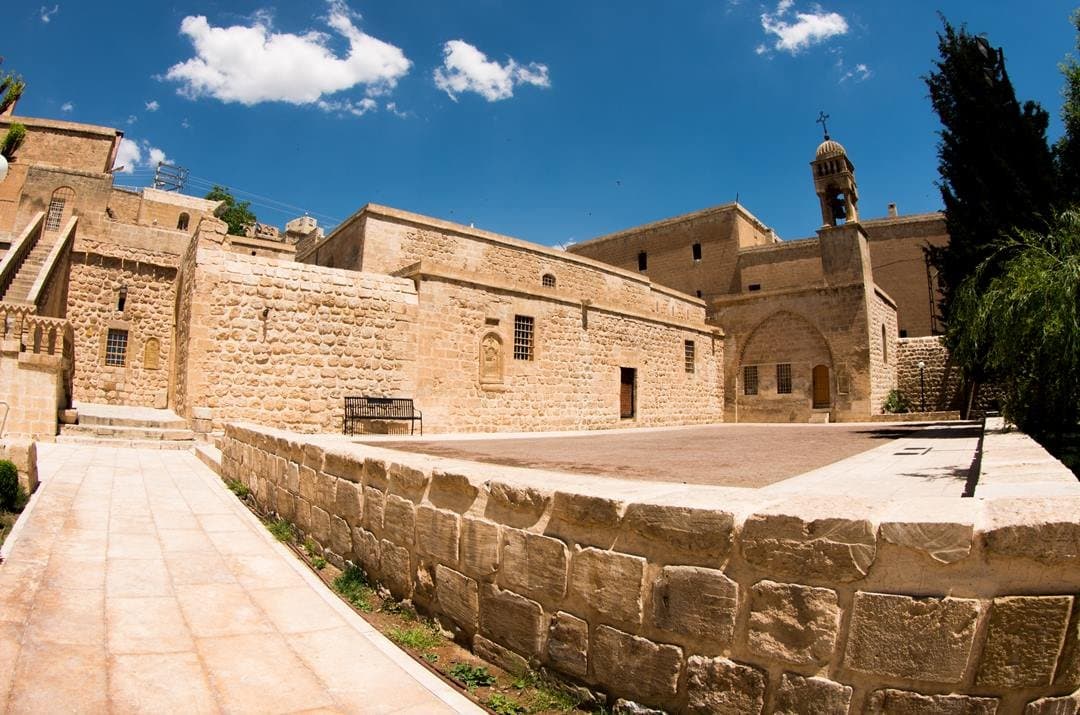
This beautiful 4th-century church is an active place of worship and holds services on Sunday's, and everyone is welcome. The church has a lovely interior has some beautiful decoration aspects, the caretaker guide will be happy to take you around. The carvings commemorating the Cappadocia Christian Martyrs are at the entrance of the church and are a must see.
Mardin Museum
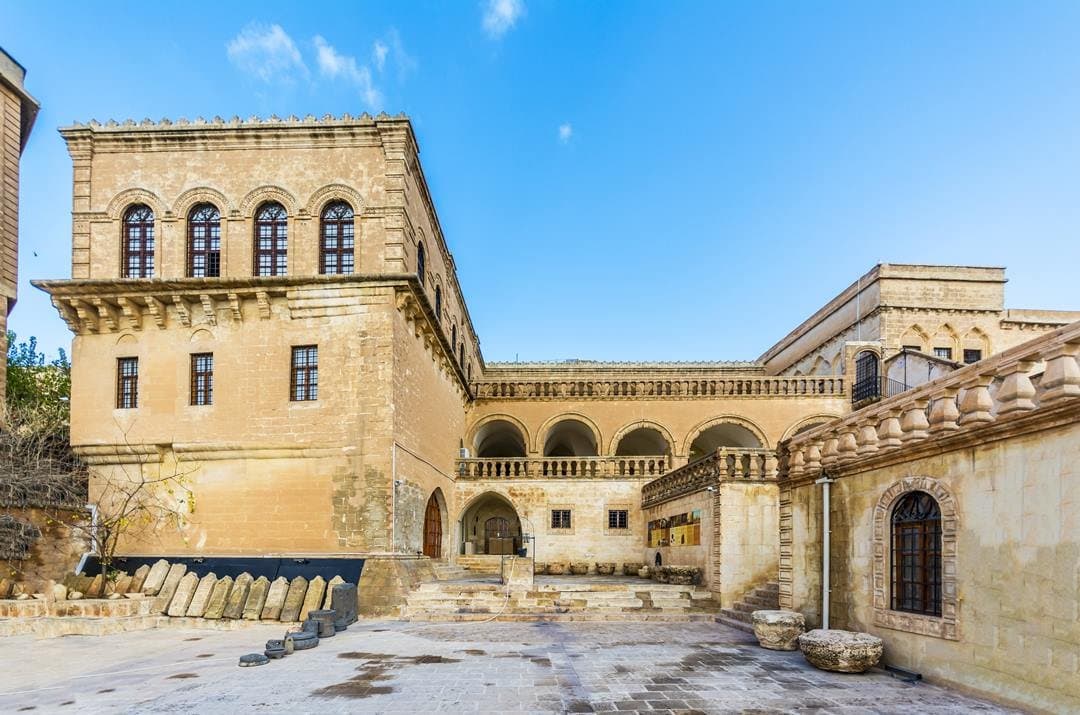
The Mardin Museum tours may only have a small collection, but it contains some unique and interesting artifacts from the archaeological sites scattered around Mardın City and County. The Bronze Age and Assyrian potters are super, and the grounds of the Museum are lovely with grand courtyards and picture perfect views.
Ulu Mosque
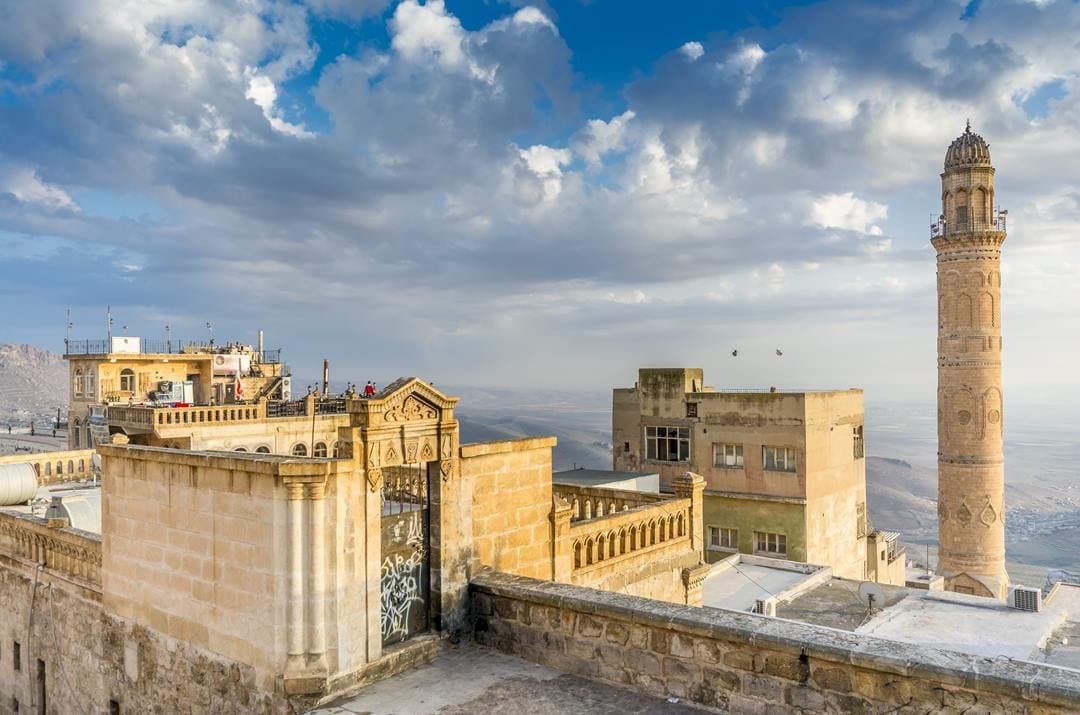
At the eastern edge of the bazaar, is the Ulu Camii which was built in the 11th century. Tours of the building will show you how it suffered severely during the 1832 Kurdish uprising, but it has been partially restored. The prayer room below the dome is lovely and split into three sections with stone carvings this is a lovely tour. Take a stroll around the bazaar when your tour is over.
Mor Hananyo Monastery
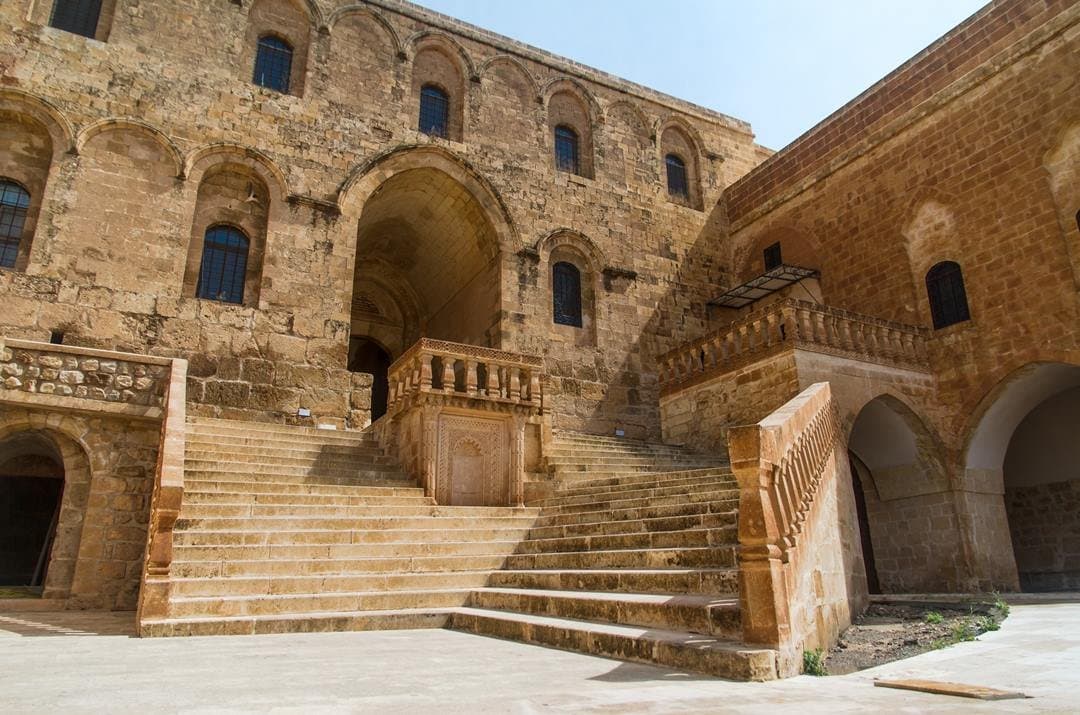
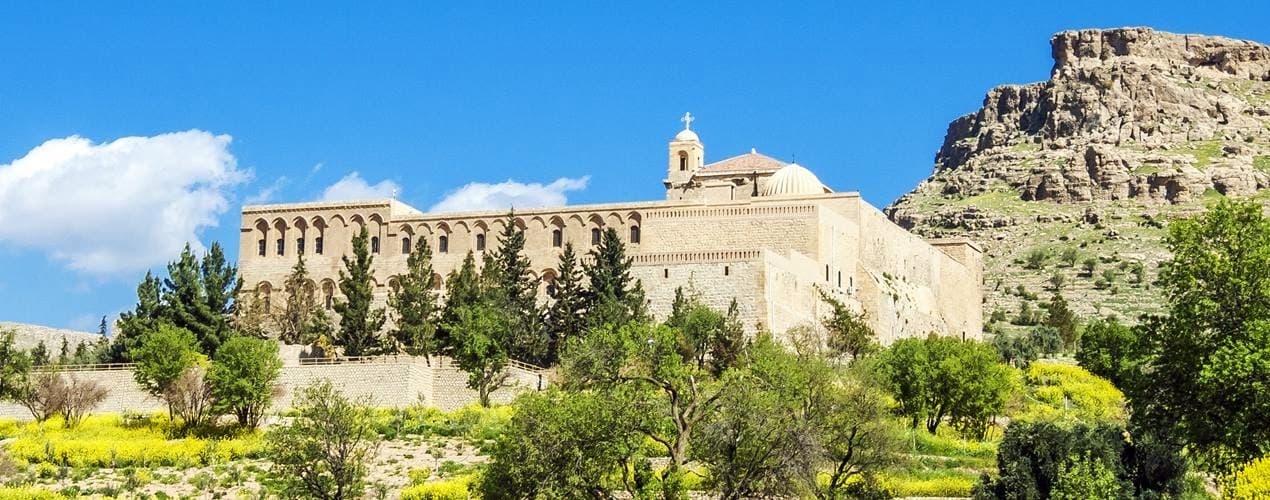
Guided private tours of Mor Hananyo Monastery will take you five kilometers east of Mardin near a shallow basin and half-way up the side of a beautiful mountain ridge. This area and ancient structures of Upper Mesopotamia was the religious center of the Syrian Orthodox Community. The Monastery is also known as The Saffron Monastery because of the saffron dyed blocks used to construct the building.
A Stone City Above the Plain
Mardin's historic core sits on the southern face of a limestone ridge, with a citadel crowning the summit and houses stepping down toward the flat Mesopotamian plain stretching south to the Syrian border. Seen from below, the roofs of one row become the terraces of the next, and the whole city seems carved from a single block of pale stone. In 2000, Turkey added the "Mardin Cultural Landscape" to the list of sites it is preparing for UNESCO World Heritage nomination, citing this terraced urban pattern.
The city flourished from 1103 as a capital of the Artuqids, a Turkmen dynasty that commissioned many buildings visitors still see. Later, Mardin passed through the hands of the Qara Qoyunlu, the Aq Qoyunlu, and the Safavids before the Ottomans took it in the early 16th century. For centuries, Arab, Kurdish, Syriac, and Armenian communities lived side by side here, and that mix still shapes the city's churches, mosques, and kitchens. Today, newer districts spread across lower ground, while the old town remains the focus for travelers.
Walking the Old Town
Cumhuriyet Caddesi, the main street locals call "First Street," runs the length of the old town, and every sight lies within a short climb or descent. Narrow lanes and stairways branch off on both sides, leading past vaulted passages, carved doorways, and courtyard houses, some now restored as hotels and cafés. Sturdy, non-slip shoes help, since the stone steps are steep and polished smooth.
Mardin Castle, on the summit, lies inside a military zone and is closed to visitors, but the lanes just below it and the terraces of several cafés offer sweeping views over the plain. The old covered markets, including the Kayseriye Passage, the arcaded Revaklı Bazaar, and the Coppersmiths' Bazaar, are good places to browse for spices, sumac, bulgur, almonds, and copperware. Silver jewelry decorated with the Shahmaran, the half-woman, half-serpent figure of local legend, is a popular keepsake.
Mosques and Madrasas
The Great Mosque, or Ulu Camii, dates to the Artuqid period, and an inscription on its minaret records the year 1176. The mosque was badly damaged during a siege in the 1830s and later restored, so most of what stands today is a rebuilding, but its fluted dome and tall minaret remain landmarks of the skyline.
Higher up the slope, the Zinciriye Madrasa was completed in 1385 under the Artuqid ruler Sultan İsa. Its carved portal, twin domes, and rooftop terrace, which looks straight down over the city, make it one of Mardin's most rewarding stops. Below the old town to the southwest, the Kasımiye Madrasa was begun under the same ruler and finished in the 15th century under the Aq Qoyunlu. In the courtyard, water flows from the wall through a narrow channel into a pool, a design traditionally read as a symbol of the journey of human life. Mardin Artuklu University now uses the madrasa for classes, but it remains open to visitors.
Churches and Museums
Mardin has long been a center of Syriac Christianity. The Kırklar Church, dedicated to the Forty Martyrs, served as the church of the Syriac Orthodox Patriarch from the late 13th century, and it is still used for worship by the local community. Visit quietly, dress modestly, and ask before taking photographs during a service.
The Mardin Museum occupies the former Syriac Catholic Patriarchate, an elegant stone building from 1895 beside the Church of the Virgin Mary. Its archaeological collection traces the region's long history. Nearby, the Sakıp Sabancı Mardin City Museum focuses on the city's culture and daily life.
Deyrulzafaran Monastery
A short drive east of the city, the Deyrulzafaran Monastery, known in Syriac as Mor Hananyo, sits on a rocky hillside. Tradition holds that a much older temple once stood there, and the monastery itself dates to the late fifth century. It takes its Syriac name from Mor Hananyo, a bishop who restored the buildings in the late eighth century. From the 12th century until the early 20th century, the Syriac Orthodox Patriarchs were based here.
Visitors can see the domed main church and the courtyards of this working monastery. There is no regular public transport, so a car or taxi is the easiest way to get there. Modest dress is expected.
Midyat and the Monasteries of Tur Abdin
East of Mardin, the limestone plateau of Tur Abdin has been the heartland of Syriac Christianity for more than 1,500 years. Its historic center is Midyat, about an hour's drive from Mardin, where Syriac churches, stone mansions, and silversmiths' workshops fill the old quarter. Midyat is known for telkari, a fine silver filigree craft, and the town opened a museum dedicated to it in 2023.
Southeast of Midyat, the Mor Gabriel Monastery was founded in 397 and is one of the oldest Christian monasteries in the world still in use. It remains the seat of the Syriac Orthodox Metropolitan of Tur Abdin. It is a working monastery, so visits are limited to set hours with a midday break, and the gates close at sunset.
Many travelers combine Midyat and Mor Gabriel in a full-day trip from Mardin. Note that Hasankeyf, sometimes included in itineraries from Mardin, lies in neighboring Batman Province, and most of its old town was submerged by the Ilısu Dam reservoir in 2020.
Dara, a Frontier Fortress
About 30 kilometers southeast of Mardin, near the village of Oğuz, the ruins of Dara mark the old frontier between the Eastern Roman and Sasanian Persian empires. Emperor Anastasius I founded the fortress city in the early sixth century, and it saw repeated fighting between the two powers, including the Battle of Dara in 530.
The site is still being excavated. Highlights include the vast rock-cut water cisterns, the remains of the city walls, and a necropolis where tombs are carved into the hillside, among them a multi-level gallery grave. Paths across the site are uneven, so wear sturdy shoes and watch your footing.
Mardin's Kitchen
Mardin's cooking blends Arab, Kurdish, Syriac, and Turkish traditions, and five of its specialties have received geographical indication status in Turkey. Kaburga dolması is a festive dish of lamb ribs stuffed with rice, meat, almonds, and spices, then slow-cooked. Sembusek is a half-moon flatbread folded around spiced minced meat, while ikbebet and irok are bulgur shells filled with meat, the first boiled and the second fried until crisp.
Also look out for kibe, lamb stuffed with rice and meat, and harire, a warming winter pudding of grape molasses topped with walnuts. Sugar-coated Mardin almonds make an easy gift to bring home. After a meal, try mırra, the strong, bitter coffee of southeastern Turkey, which is served in tiny cups and sipped slowly.
Getting There and When to Go
Mardin Airport lies about 20 kilometers southwest of the old town and has daily flights from Istanbul. Mardin also fits easily into a longer trip around southeastern Turkey, linking Diyarbakır with the Mesopotamian sites around Şanlıurfa and the food capital of Gaziantep. Inside the old town, walking is the best way to get around, while a car or a guide makes it simple to reach Deyrulzafaran, Midyat, and Dara.
The most pleasant months fall in spring and autumn, when days are mild, and the views over the plain are clear. In summer, the heat often approaches 40°C, so head out early and save the evenings, after sunset, for strolling. Winter is chilly, sometimes with a week or two of snow, and the old town is at its quietest then.