
Adıyaman
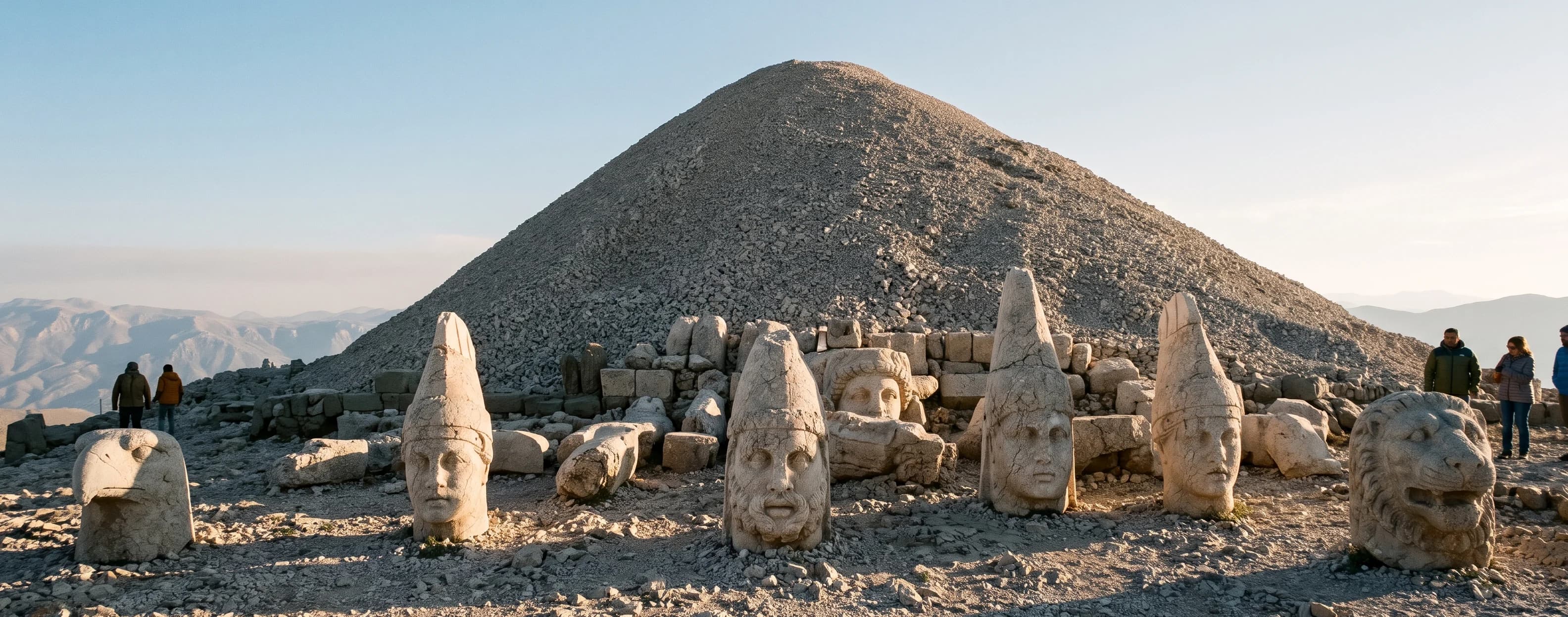
Adıyaman, in southeastern Türkiye, is the gateway to Mount Nemrut, where giant stone heads of gods and a king sit on a summit more than 2,100 meters high. The province formed the core of Commagene, a small kingdom that flourished in the first century BC, and its tombs, bridges, and burial mounds still line the valleys around Kahta.
Start with the tours and activities below. This guide covers how to reach the summit, which Commagene sites to add along the way, and when the mountain road is open.
Let the activities begin!
No tours match these filters yet. Try another destination or browse all tours.
Top Things to See & Do in Adiyaman
Mount Nemrut National Park
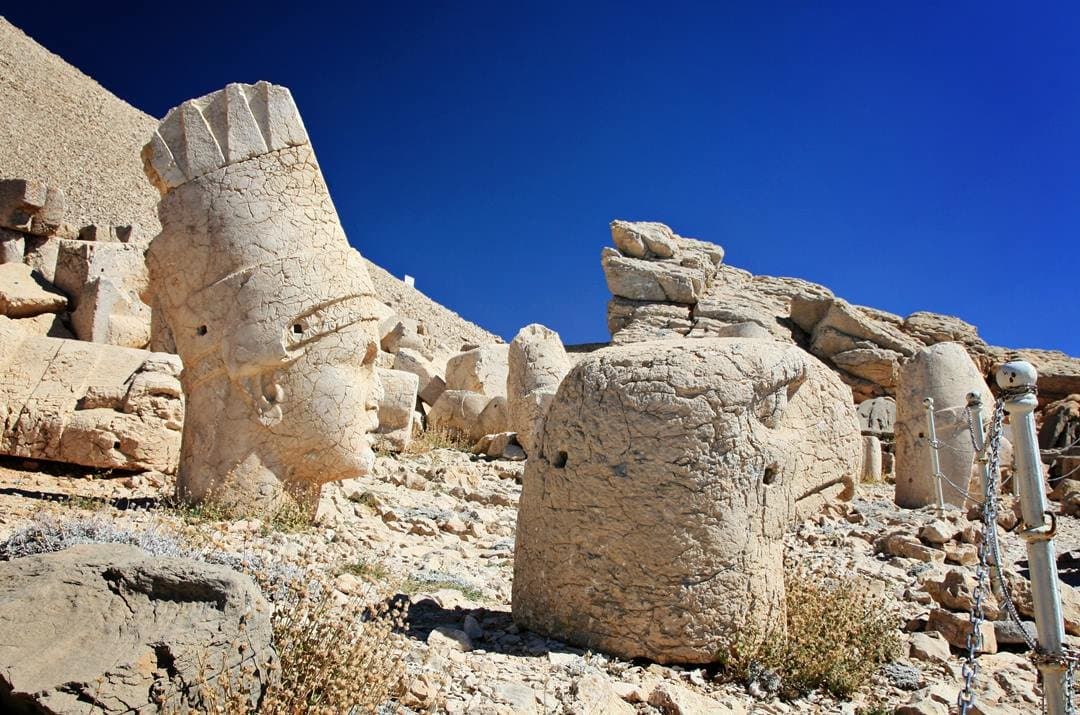
Private custom tours of Mount Nemrut built by Antiochus I is a must in this region. The conical shaped massive ruins are spectacular, and when you reach the top, the views are fantastic on a clear day. There are three terraces in the sanctuary on the East, North and West sides. The engineering of this structure was a huge endeavor for the times when it was built and a symbol of Antiochus the first's power.
Pirin Ruins
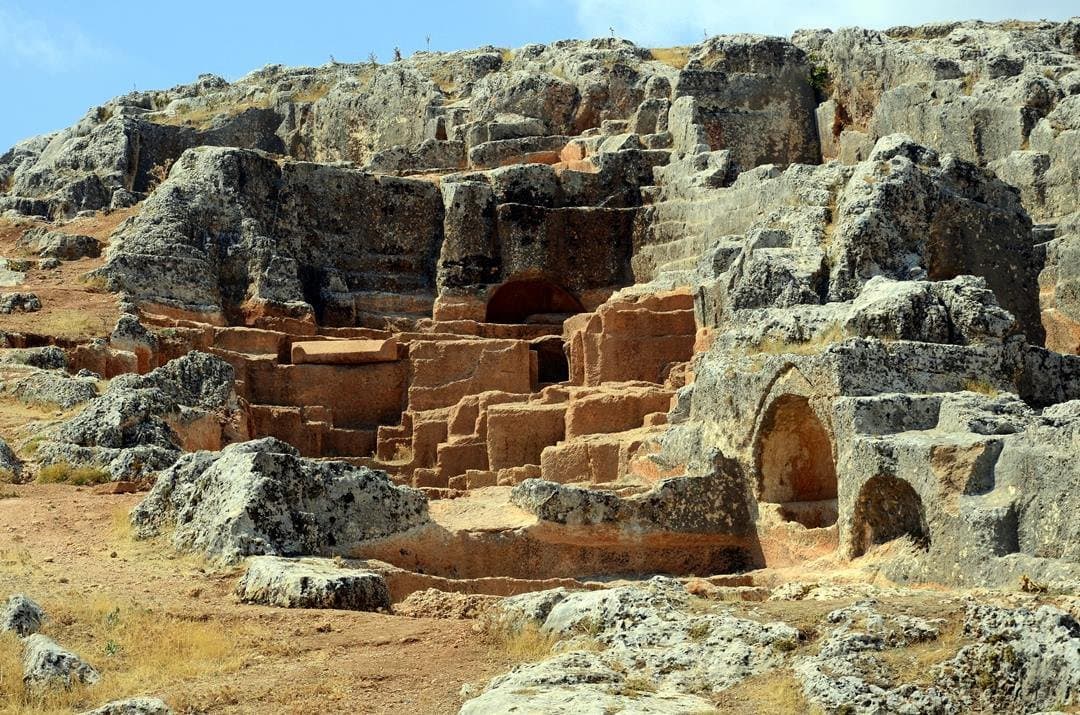
Pirin Ruins is an extensive area of rock tombs with a deep well with access via a set of steep steps that takes you right down to the tombs. There's a lot of work going on to make the place more visitor-friendly so just bear that in mind. Your tour guides will take you to several tombs, some are in good shape others no so much, but it is still an exciting trip. You can explore the caves and do a little rock climbing it is great fun for children and adults alike.
Severan Bridge
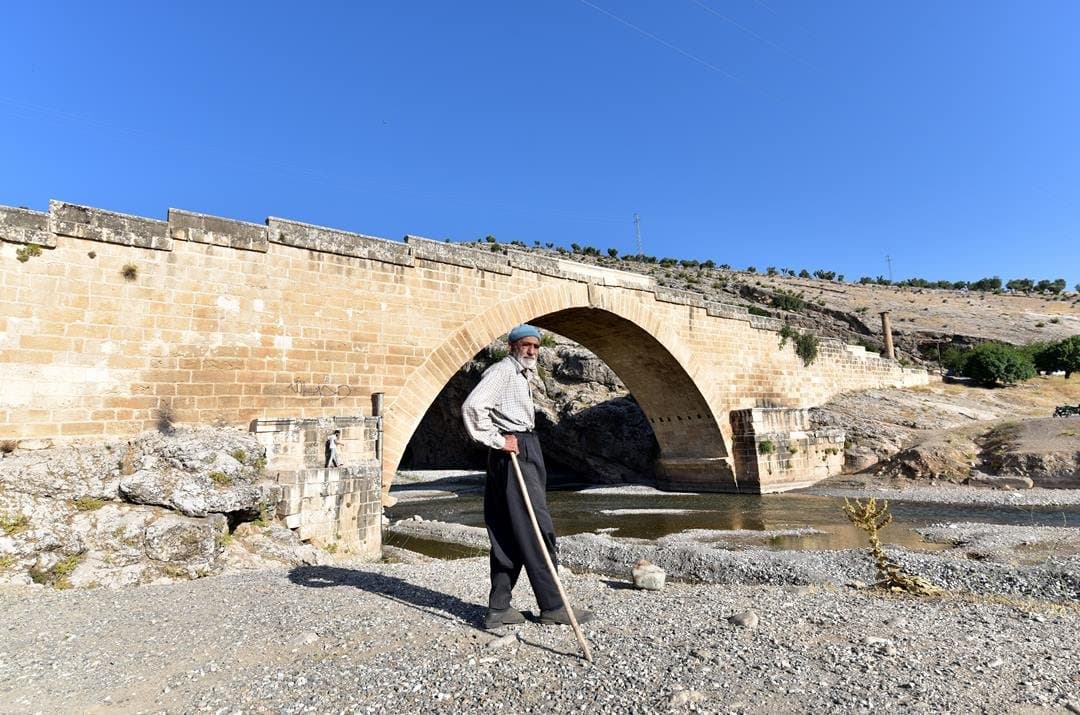
On a guided private tour to Mount Nemrut, you will stop off at The Severan Bridge (Cendere Köprüsü). This late ancient Roman bridge constructed of 92 stones, each weighing about 10 tons positioning them was an engineering triumph for that time. Tour guides stop here to have a break with some refreshments and a swim. Ladies, please wear shorts and a top while swimming as the locals in this area are very conservative.
Kahta Village
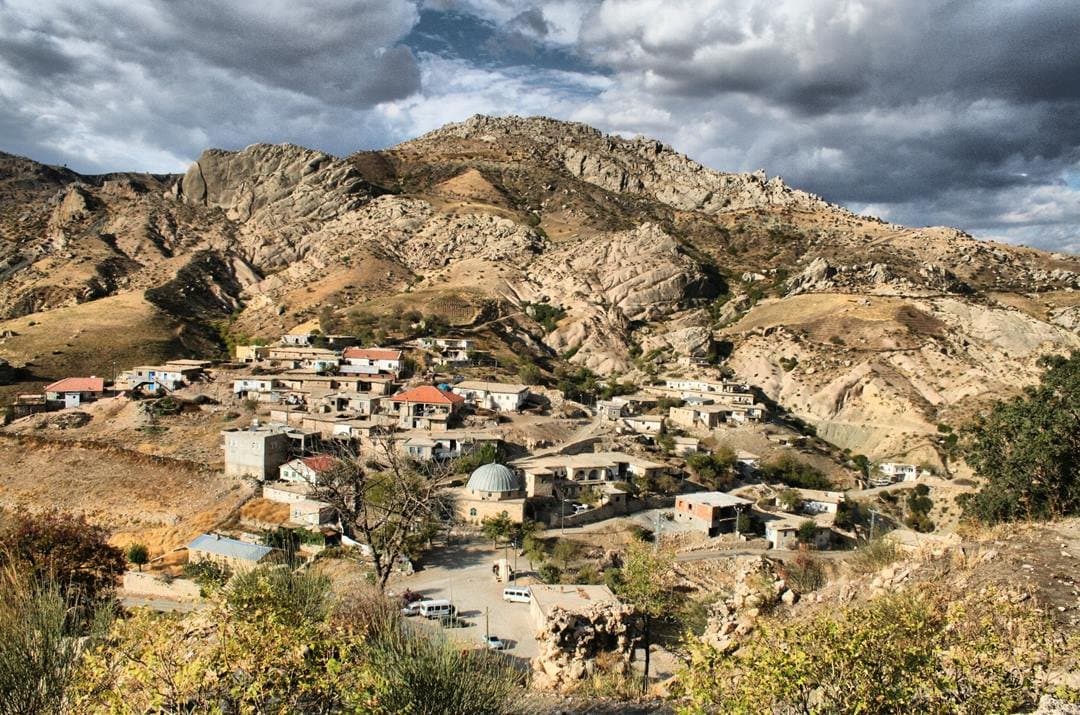
Kâhta is a small village in the attractive countryside at the foot of Mount Nemrut. The village has a thriving business providing food, accommodation, and transport in the form of minibusses and taxis to travelers on guided private tours of the Mountain. The local business people here are very accommodating serving tradition Turkish food
Perre Ancient City
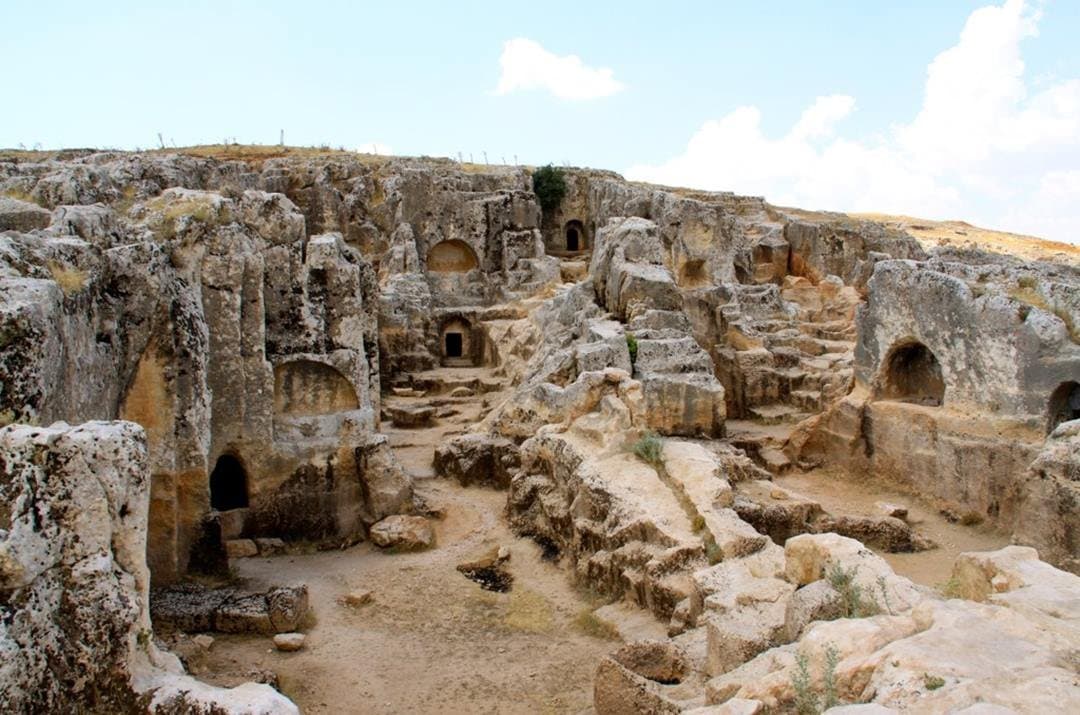
The ancient city of Perre had been a vital junction road to the Kahta, Urfa, and Samsat. A settlement during the reign of the Kings of Commagene, Perre, became witness to the epic golden age under the Roman Empire when it was an important stopover for merchants and travelers. A private tour guide will take you to the most impressive remaining ruins of approximately 200 rock tombs.
Adıyaman Archaeological Museum
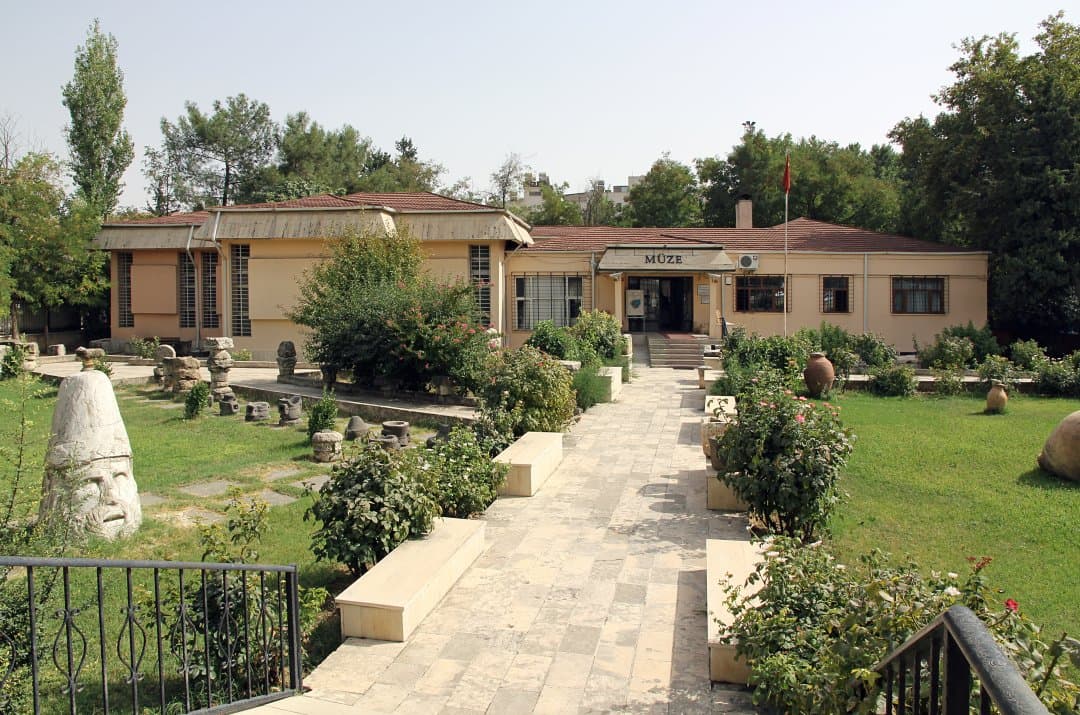
The single-storied Adiyaman Archaeological museum building contains a complete archive, photo-lab and work area in the basement. Private tours of the exhibition halls are great; the displays are impressive from Copper Age pottery, Neolithic arrowheads, jewelry from the iron and bronze ages as well as statues, ceramics and stone vessels from the Roman and Hellenistic eras.
Besni
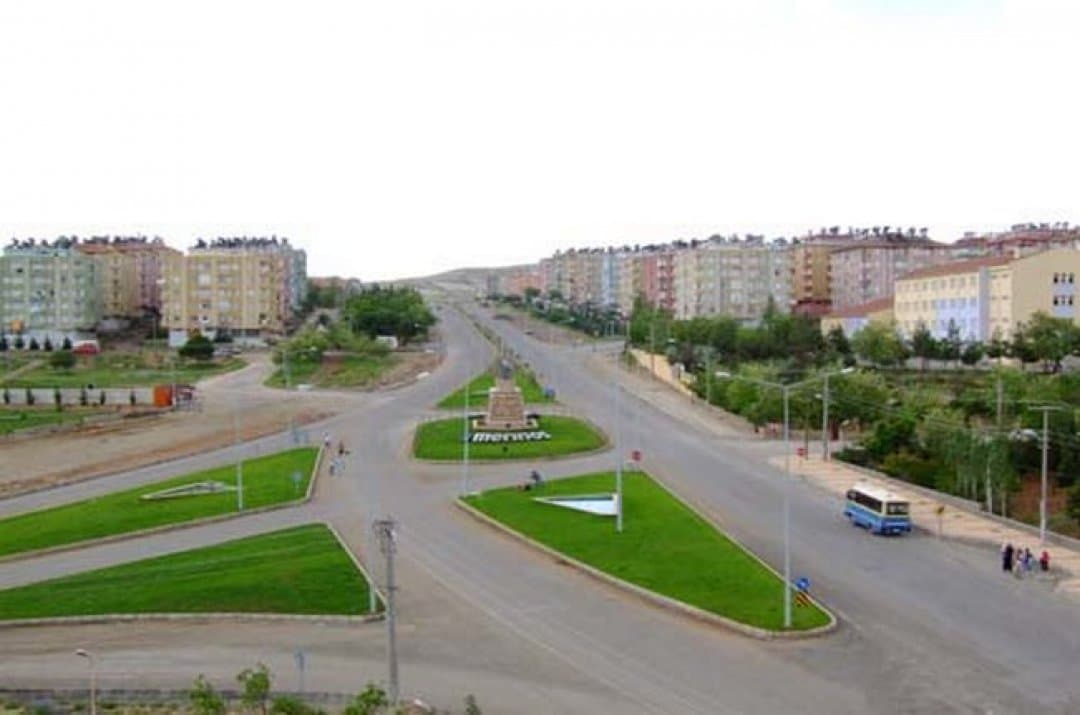
Private guided tours of Besni, one of the oldest settlements in southeastern Anatolia will take you to the original city that once surrounded the old magnificent Adiyaman Castle. As you walk around the grounds, you will see all that remains today are mosques, baths, a minaret, a fountain, and a bridge, this tour is full of culture and history and is a highlight for many travelers.
Atatürk Dam
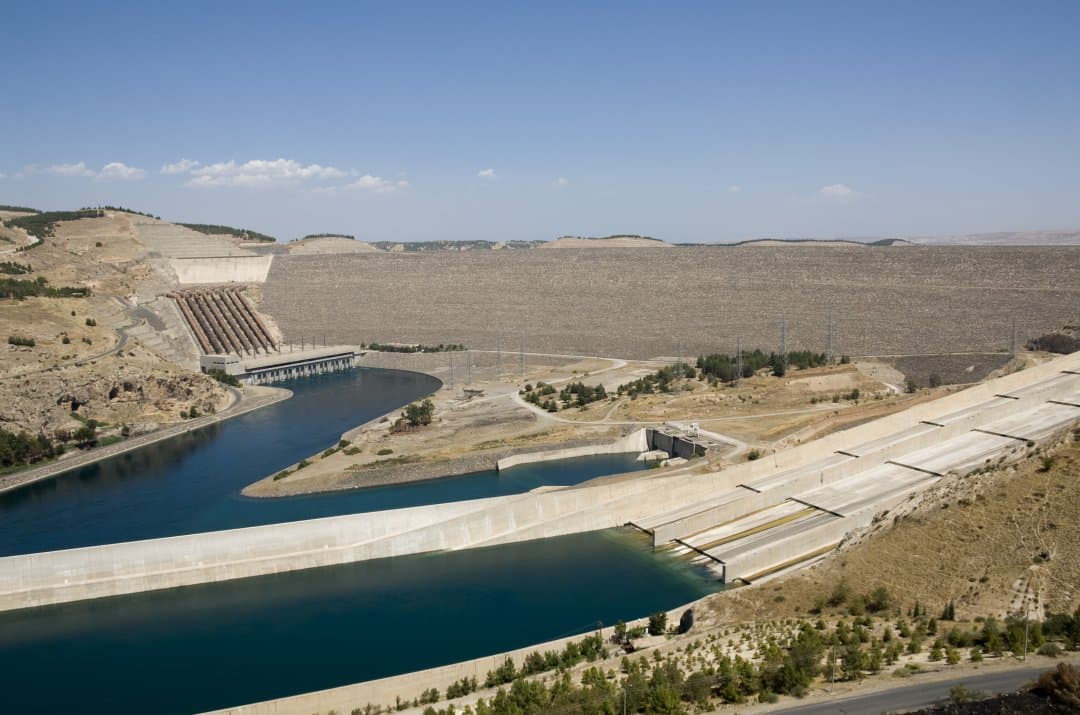
The Atatürk Dam, formerly the Karababa Dam, is a rock-fill dam on the Euphrates Riveron between the borders of Şanlıurfa Province and Adıyaman Province in the Southeastern Anatolia Region. As you pass over this vastly impressive structure, you will get a feel for the sheer mass and engineering prowess that went into building this dam. Adıyaman Province
Arsemia Ören Ruins
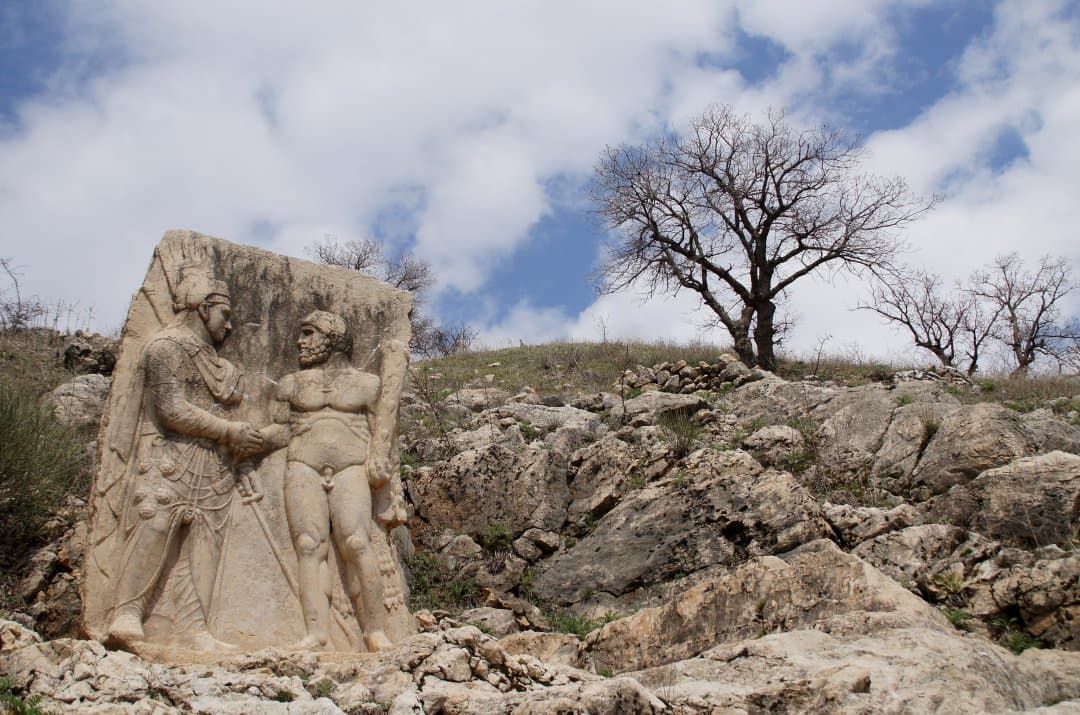
Private guided tours of the Arsemia ruins will show you what was once the summer capital of the Commagene Kingdom. Built by King Antiochus I in honor of his father King Mithridates I, its mountain location became an important military stronghold. A relief dating back to 50 B.C. depicts what is known to be the first recorded handshake between King Mithradates and Hercules.
Kraalcus Tumulus
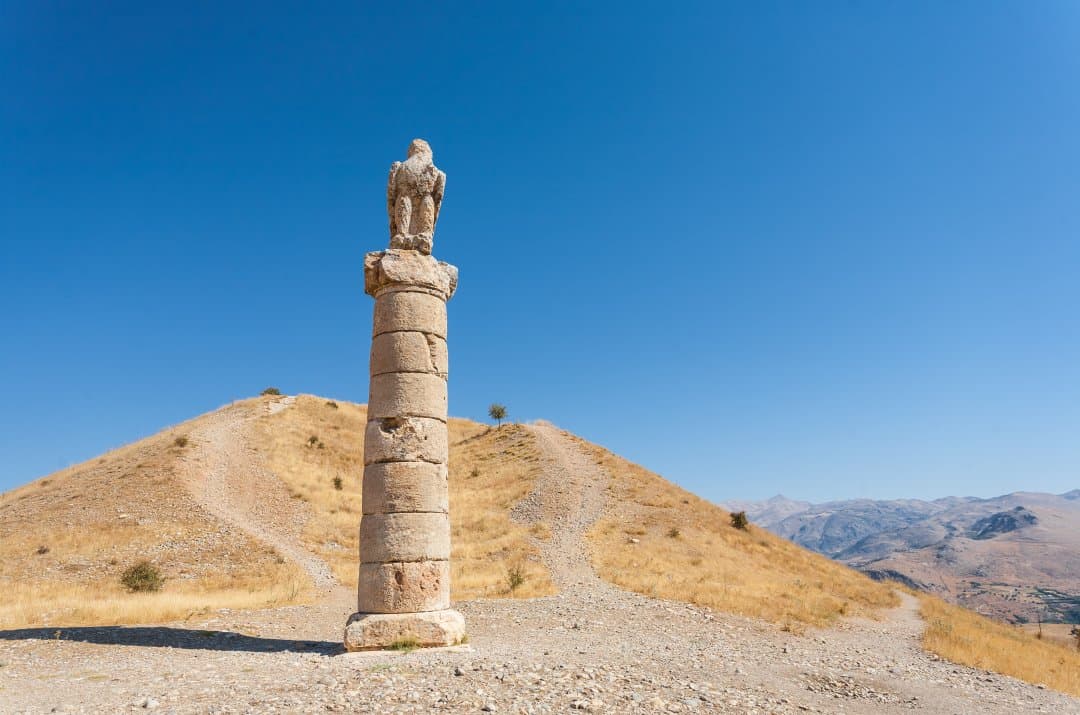
While taking your guided private tour to Nemrut, you will pass by the Karakus Tumulus. The final resting place of the Commagene Royal Family, the four Doric columns surrounding the site still stand, but some of the tops of the columns are missing. Karakus Tumulus are unique and usually on most Nemrut tours.
Mount Nemrut
On the summit of Nemrut Dağ, King Antiochus I of Commagene raised a burial mound of loose stone about 50 meters high and 145 meters across. Terraces on its east and west sides hold colossal seated statues of the king beside Greek and Persian gods, including Zeus-Oromasdes, Apollo-Mithras, and Heracles. Over time, the heads toppled to the ground and now stand in rows, many taller than a person. The site has been on UNESCO's World Heritage List since 1987.
The east terrace faces the sunrise, and its thrones and seated bodies are better preserved. The west terrace, where the heads are in better condition, catches the sunset. Sunrise draws the biggest crowds, so a sunset or daytime visit is quieter. On the southern approach, a shuttle runs from the ticket office toward the summit, and the last stretch to the west terrace is a steep walk of about 600 meters. The top is cold and windy even in summer, so bring a warm layer and a flashlight if you go up for sunrise.
The Commagene sites below the mountain
The road up from Kahta passes several sites from the same kingdom. Karakuş Tumulus, the burial mound of Commagene's royal women, stands among tall Doric columns; the one topped by an eagle gave the site its name, which means "black bird." Farther on, the Cendere Bridge spans the Cendere stream in a single Roman arch. Commagene cities raised columns on it in honor of Emperor Septimius Severus, his wife Julia Domna, and their sons. Only three columns stand, because the one for Geta was removed after his brother Caracalla had him killed.
Beyond the bridge, Arsameia, once a royal seat of Commagene, has a relief showing King Mithridates clasping hands with Heracles, and a long Greek inscription carved into the rock beside it. Across the valley, Yeni Kale (Old Kahta Castle) rises on a steep crag, and an inscription at its gate names the Mamluk sultan Qalawun.
Adıyaman town
The Adıyaman Museum holds finds from across the province, including a Neolithic cult statue that recalls the carvings of Göbekli Tepe. It has been closed for repairs since the February 2023 earthquakes, so check whether it has reopened before you plan a visit. Just north of town, the ancient city of Perre (Pirin) has a long necropolis of rock-cut tombs and a Roman fountain.
Adıyaman pairs well with Şanlıurfa, home to Göbekli Tepe, and with Gaziantep or Mardin on a longer route through the southeast.
Getting there and around
Adıyaman Airport has domestic flights. Kahta, a short drive east of Adıyaman town, is the usual base for Mount Nemrut, and guesthouses there and in Karadut village, inside the national park, arrange trips to the summit. Buses to the sites are few, so most visitors go with a driver or join a guided day trip to see Nemrut and the Commagene ruins together. From the north, tours start in Malatya and use a separate road that ends close to the east terrace.
Heading elsewhere in the country? Our Turkey travel guide has ideas for every region.