
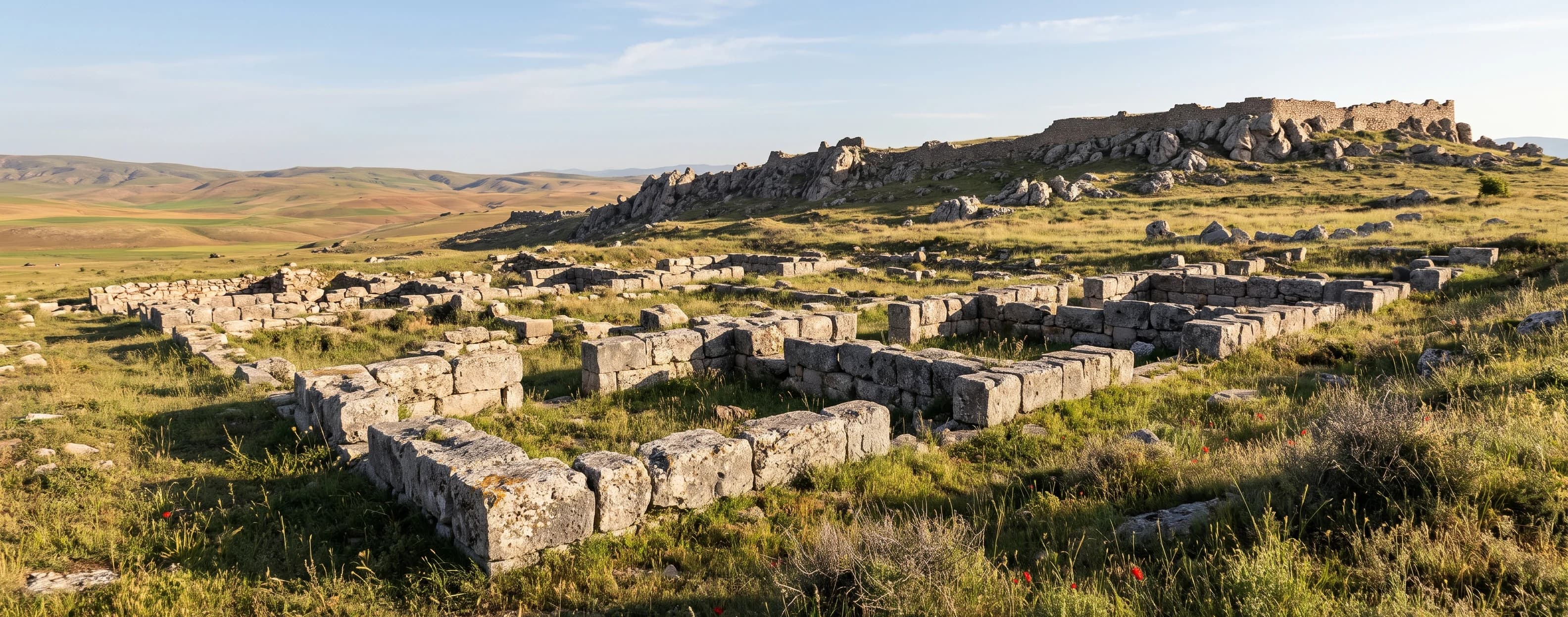
Çorum
Çorum is a provincial capital in north-central Turkey, on the inland edge of the Black Sea Region, best known as the heartland of the Hittites. The province holds Hattusa, the Hittite capital and one of the country's World Heritage Sites, along with the rock-carved gods of Yazılıkaya and the Sphinx Gate at Alacahöyük. Most travelers come for these Bronze Age sites, then spend time in the city, where the Çorum Museum displays finds from across the region and shops sell leblebi, the roasted chickpeas Çorum is famous for. It is a quiet, uncrowded place that rewards anyone curious about Anatolia's earliest empires.
Let the activities begin!
No tours match these filters yet. Try another destination or browse all tours.
Top Sights to See in the Corum Region
Hattus Ruins Corum Region
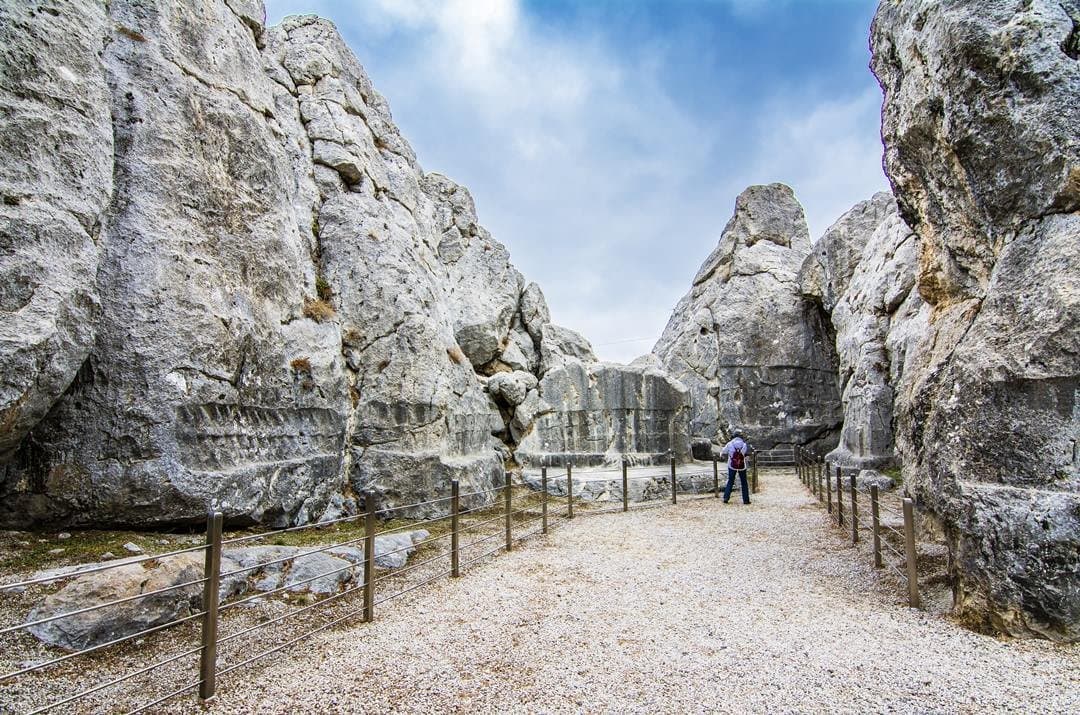
Guided private tour to Hattusas from Corum take approximately one hour drive, but it is worth it when you get there. Once the capital of the Hittite Kingdom, it is said to have had at least 15,000 inhabitants. As you walk around the site and amaze at its engineering you can't but wonder why they choose to build at this remote area far from trade routes, historians still can't answer this today.
Lions Gate at Hattus Ruins
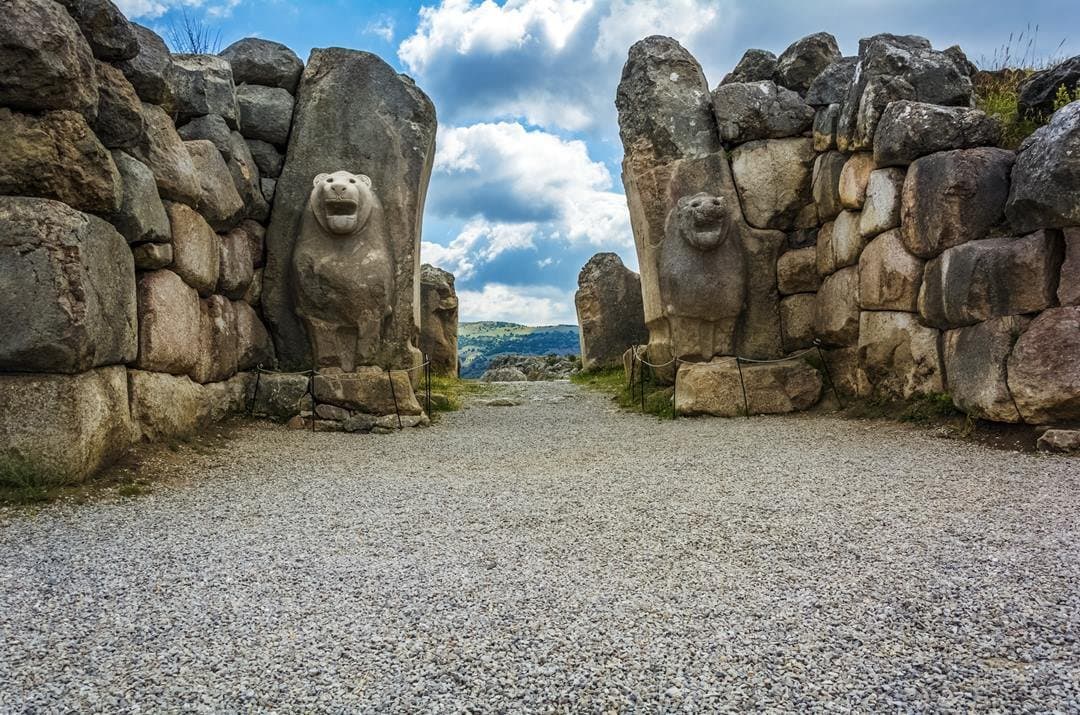
The two stone lions (Aslanli Kapi) on the Hattusa ruins were set to protect the city from danger and evil spirits. This is thought to be one of at least six gates in Hattuşa's 4000-year-old defensive walls. Private tour escorted tour guides will show you the best-preserved parts of Hattuşa's fortifications from here, stretching south-east to Yer Kapı and from there to Kral Kapı.
Hattusa: Capital of the Hittite Empire
About 82 kilometers southwest of Çorum, near the small town of Boğazkale, the ruins of Hattusa spread across a hilly ridge above the Budaközü Plain. For much of the second millennium BC, this was the capital of the Hittites, a Bronze Age power that ruled most of Anatolia and dealt with Egypt and Babylon as equals. UNESCO recognized Hattusa as World Heritage in 1986.
A wall more than 8 kilometers long protected the city, and the best-preserved gates still stand on its upper slopes. Two carved lions guard the Lion Gate, and the King's Gate is named after the armed figure carved beside it, once thought to be a king. Under the Sphinx Gate, a long stone tunnel runs through the rampart, which visitors can still walk through. In the lower city, the foundations of the Great Temple, dating to the 13th century BC, show the outline of storerooms that once held large clay jars.
Excavations at Hattusa uncovered thousands of clay tablets written in cuneiform, the archive of the Hittite state. One records the peace treaty between the Hittites and Egypt, signed years after the Battle of Kadesh, and is now in the Istanbul Archaeology Museums. The site covers a large area with steep sections, so most visitors drive between the main monuments on the paved road that loops through it. Allow at least half a day and start at the Boğazköy Museum in town, where a pair of sphinxes from the city's southern gate is displayed together again after one returned from Germany in 2011.
Yazılıkaya Rock Sanctuary
Around 2 kilometers northeast of Hattusa, Yazılıkaya is an open-air sanctuary set among natural rock outcrops. Its walls carry some of the finest Hittite reliefs anywhere. In the larger chamber, a procession of 64 deities moves along the rock, with gods on one side and goddesses on the other, meeting at a central scene of the storm god Teshub and the goddess Hebat. The smaller chamber holds a carving of King Tudhaliya IV embraced by the god Sharruma, from the 13th century BC. Yazılıkaya is part of the Hattusa World Heritage Site, and the reliefs look sharpest when the sun is low, soon after opening or toward closing time.
Alacahöyük: Sphinx Gate and Royal Tombs
In the Alaca district, around 50 kilometers from Çorum, the mound of Alacahöyük was settled long before the Hittite Empire. Its entrance is the Sphinx Gate, built from large andesite blocks, with a sphinx carved on each side and a double-headed eagle relief on the inner face of one. Low reliefs of processions, musicians, and offerings line the walls beside the gate.
Below the Hittite levels, archaeologists found 14 Early Bronze Age royal shaft graves, around 2500 BC. They held gold vessels, jewelry, and bronze sun standards, now among the most famous objects in the Museum of Anatolian Civilizations in Ankara. A small museum at Alacahöyük explains the excavations, and the site is compact enough to see in about an hour. Many travelers combine it with Hattusa and Yazılıkaya on one full day.
Şapinuva and the Wider Hittite Trail
Near Ortaköy, about 70 kilometers east of Hattusa, the Hittite city of Şapinuva came to light after a local farmer found two inscribed tablets in his field and reported them to the Çorum Museum. Excavations later revealed about 5,000 tablets and fragments in a single building. The site is smaller and less visited than Hattusa, but it is a rewarding detour for travelers following the Hittite story across the province.
Çorum City: Museum, Clock Tower, and Old Mosques
Begin in the city at the Çorum Museum, housed in a restored early 20th-century building. Its galleries trace the Hittite, Phrygian, Roman, Byzantine, Seljuk, and Ottoman periods, with finds from Hattusa, Alacahöyük, and Şapinuva. Seeing the collection first makes the ruins far easier to read.
Around the center, the 19th-century clock tower is the city's main landmark, and short walks lead to Çorum Castle, the Ulu Mosque (also known as the Murad-ı Rabi Mosque), and the Hıdırlık and Han mosques. Çorum is a working provincial city rather than a resort, so evenings are calm and life centers on tea gardens, bakeries, and small restaurants.
Leblebi and Local Food
Çorum is known across Turkey for leblebi, roasted chickpeas made in local workshops for about three centuries. The chickpeas are roasted three times and left to rest for weeks between stages, which gives them their light, crunchy texture. Çorum leblebi carries a protected geographical indication, and you will find plain, salted, spiced, and sugar-coated versions in shops all over town.
At the table, look for Çorum mantı, small dumplings served with yogurt, and keşkek, wheat and meat pounded together after hours of cooking. In the town of İskilip, the local İskilip dolması, a dish of rice and meat cooked slowly in a closed pot, also has protected status.
Beyond the City: İskilip and Osmancık
Northwest of Çorum, İskilip sits below a castle crowning a steep outcrop, with old houses on the surrounding slopes. Further east, Osmancık is home to the Koyunbaba Bridge over the Kızılırmak River. Built between 1484 and 1489, when Bayezid II ruled the Ottoman Empire, it is about 250 meters long and is considered the longest stone arch bridge built in Anatolia under Ottoman rule. Kandiber Castle stands on the rock above the town.
Getting There and How Long to Stay
Çorum is about 244 kilometers by road from Ankara, and buses connect it with Ankara, Istanbul, and other Turkish cities. The Hittite sites are spread out, and public transport to them is limited, so traveling by car, with a hired driver, or on a guided tour makes the visit much easier. Hattusa lies between Ankara and Çorum, and many travelers see it on a long day trip from the capital. Others add it to a wider route through central Anatolia that includes Cappadocia.
Two days work well: one for Hattusa, Yazılıkaya, and Alacahöyük, and one for the city, its museum, and a trip to İskilip or Osmancık. Amasya, with its rock-cut royal tombs and Ottoman riverside houses, is the next province to the east, making it an easy next stop.