
Kars
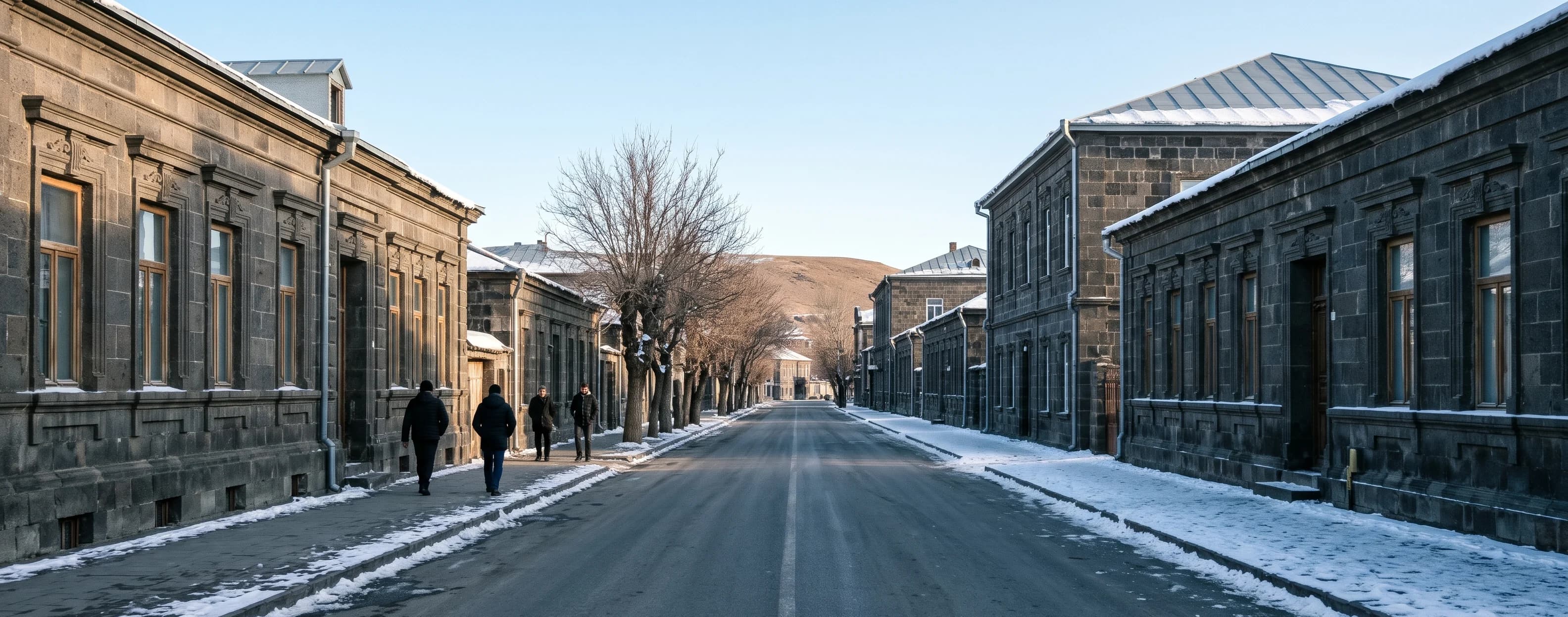
Kars stands on a lofty plateau in the far northeast of Turkey, near the frontier with Armenia. Its center still follows the grid plan laid out during four decades of Russian rule, with sturdy basalt buildings below a medieval castle. Most travelers come for Ani, the ruined medieval capital about 42 kilometers east, a UNESCO World Heritage Site with churches on the edge of a river gorge. Winter brings snow-covered streets, horse-drawn sleighs on frozen Lake Çıldır, skiing at Sarıkamış, and the Touristic Eastern Express sleeper train from Ankara.
Let the activities begin!
No tours match these filters yet. Try another destination or browse all tours.
Top 10 Things to Do in Kars
Ani, Kars
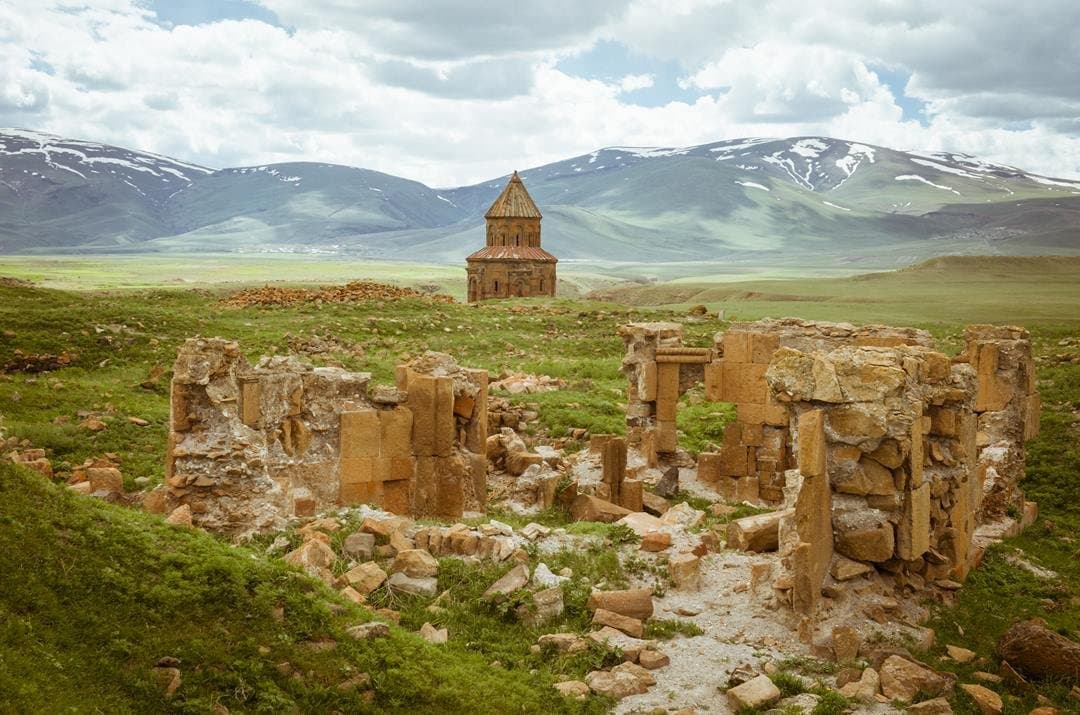
Ani is situated on the eastern border of Turkey. Unfortunately, it is a crumbling site of the once great city of Ani or The city of a thousand and one Churches. The once magnificent walled city was home to 100,000 people and was the hub for trade. While the ruins are in some disrepair, some of the interiors still have remnants of the original frescos and artwork. The scenery from the area is beautiful, and while the ruins may not look too pretty, they are worth a visit.
Castle of Kars
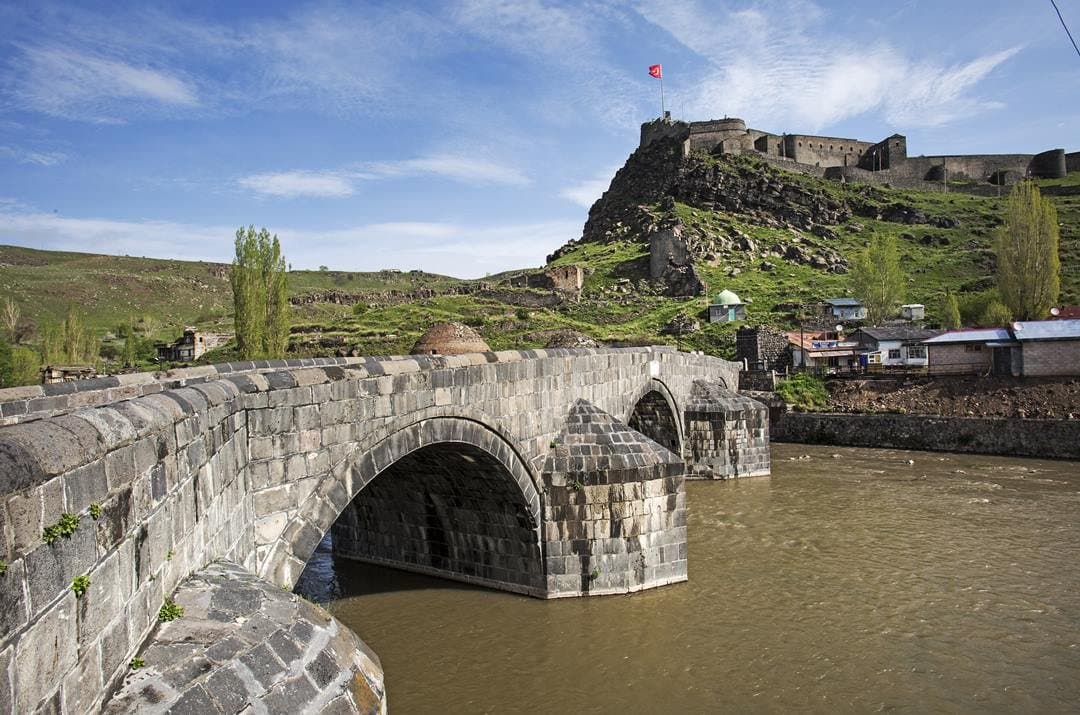
Guided tours of Kars Kalesi (Castle) takes you to the magnificently situated Castle built in 1153. The walls of the original city were built around the castle so that it had a commanding view of the city below. Originally it had 22 towers and four gates, and it was very imposing now only seven towers, and two gates remain. Walk around with your guide, and they will fill you in on the history of the site. This is a great trip and a lovely way to spend a day in Kars.
Kars Museum
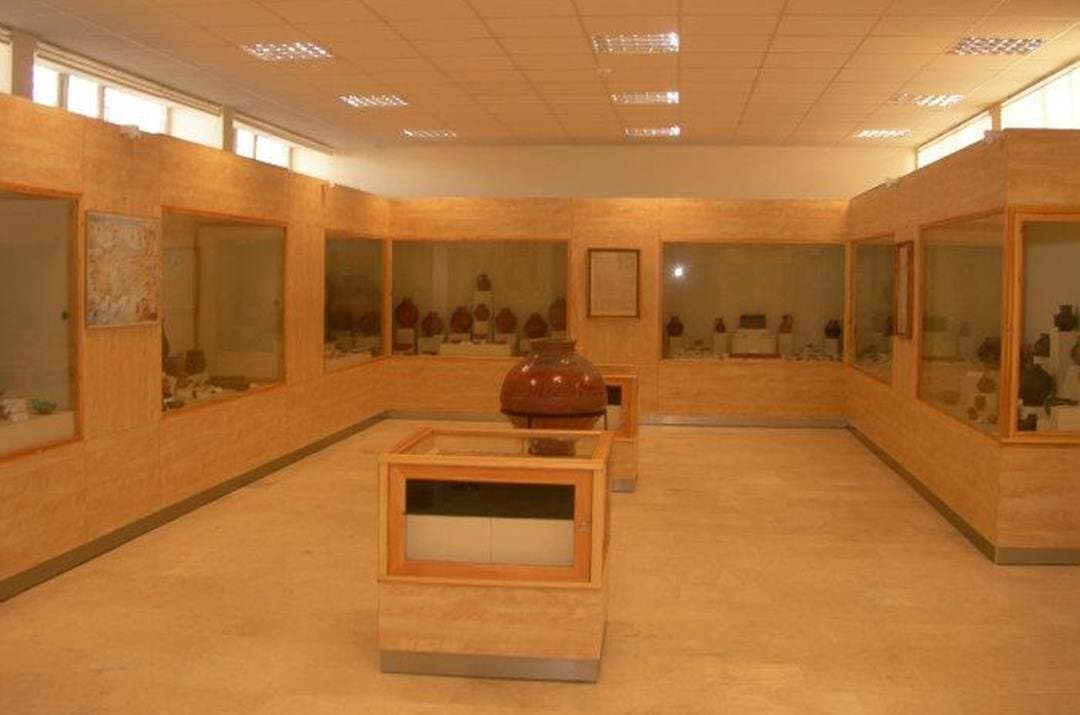
The Kars Museum was established in 1959 has secured many works of art to exhibit there. Custom guided tours to see the collection of art which was donated or purchased by the museum are great. Kars Museum is a general museum with various Ethnographical Culture Possessions and Archaeological artifacts such as iron and bronze age axes, cauldrons, gold and silver daggers and many vessels and utensils.
Mazlumoğlu Hamamı
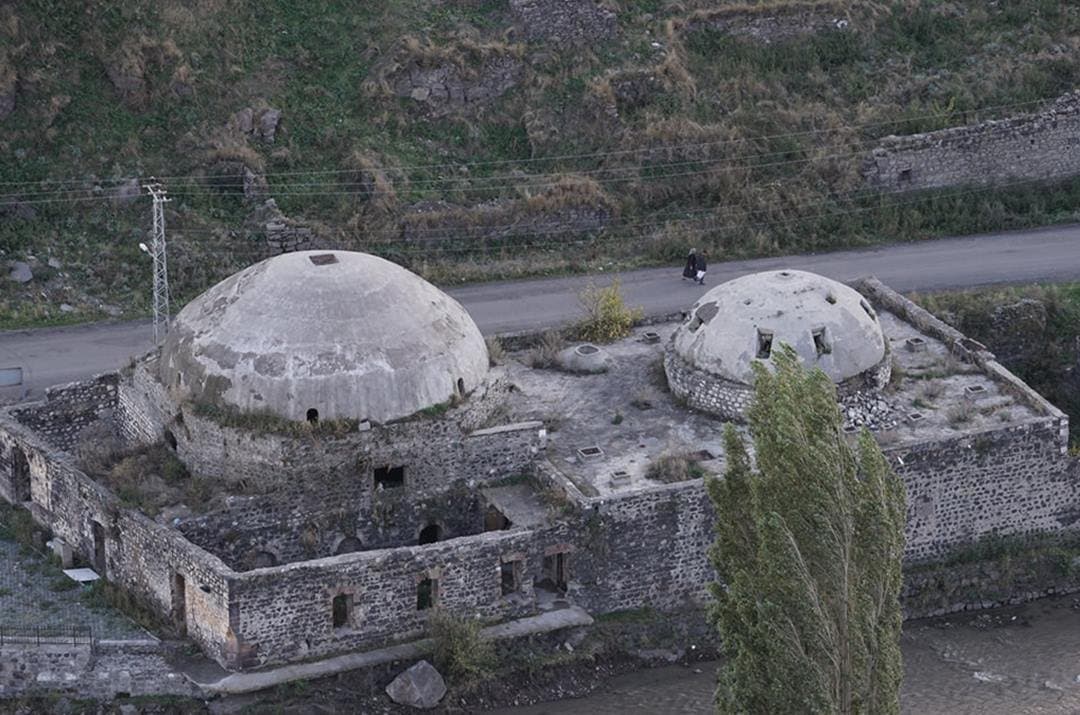
The Mazlumoğlu Hamamı Baths are totally accessible to the public, the ruins are in disrepair but the building still stands, and you private tour guide will be happy to tell you all the history of the ruins. Many guided tours will have the Baths on their itinerary, and while it may look simple from the outside, the interior still has some of the original artwork on the walls and frescos. This site is simple, but the historical element is great, and the guides have super stories about the area.
Kümbet Mosque
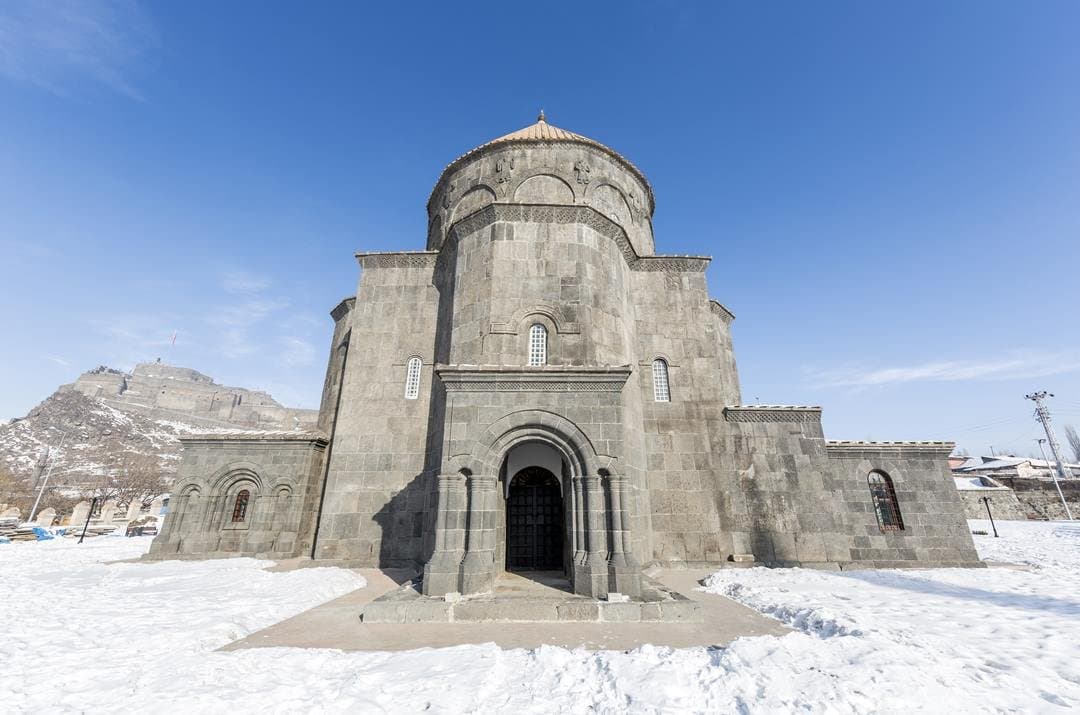
A lot of tourists will know The Kümbet Mosque as The Church of the 12 Apostle due to the carvings of the apostles on its dome. This place of worship has passed from Church to Mosque to Church and now is Mosque doubling as a Museum. Ladies need to be covered up before entering. There are some beautiful items on display here but remember this is a place of worship so respect the traditions.
Lake Çıldır
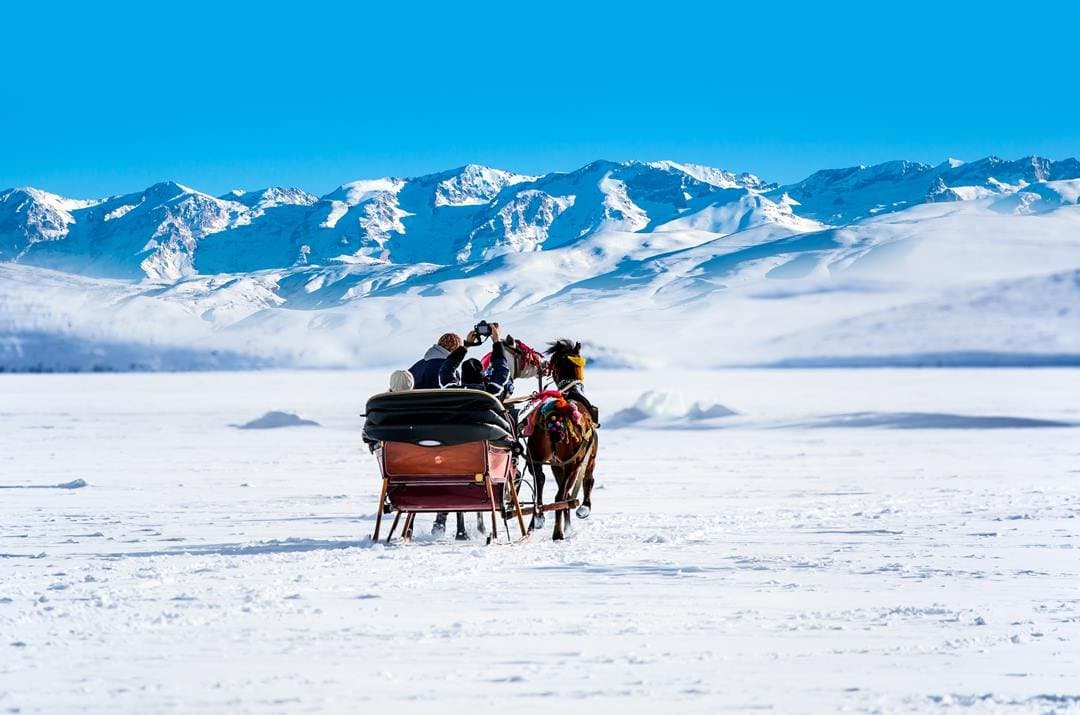
Guided Kars tours will take you to the largest lake in Turkey called Lake Çildir in the North of Kars. Famous for a fantastic fishing area, the views are spectacular here in the summer months. When the lake freezes over in the winter, you can book a sleigh ride across the lake which many tourists find great fun.
A Border City With a Layered Past
Kars sits at about 1,768 meters on a windswept plateau, and its past was shaped by its place on the frontier between empires. In the 10th century, it was briefly the capital of the Bagratid Armenian kingdom before the court moved to Ani in 961. Later centuries brought Seljuk, Georgian, Mongol, and Ottoman rule. From 1878 to 1918, the city belonged to the Russian Empire, and that period gave central Kars its wide, straight streets and solid stone buildings. Today it is a provincial capital of around 90,000 people, home to Kafkas University, and the setting of Orhan Pamuk's novel Snow.
Exploring Central Kars
The Russian-era quarter is the city's most distinctive area. Around 170 buildings in what locals call the Baltic style survive, most built of dark gray basalt and arranged along a regular street grid in neighborhoods such as Yusufpaşa and Ortakapı. Some are still homes, while others have become offices, hotels, restaurants, and galleries. A slow walk with a few stops for tea is the best way to see them. One former Russian Orthodox church now serves as the Fethiye Mosque.
The older town lies along the Kars River, below the castle. Kars Castle crowns a rocky hill, and from its walls you can look out across the rooftops to the plateau beyond. At the foot of the hill, the Church of the Holy Apostles dates to the 10th century, when Kars was the Bagratid capital. Over the centuries, the compact domed building has served as a mosque, church, warehouse, and museum. Today it is the Kümbet Mosque. Nearby, the Stone Bridge has crossed the river since 1725, and several old Ottoman bathhouses stand along the banks. Objects unearthed at Ani are on display in the Kars Museum, making it a useful first stop before visiting the ruins.
Ani, the Ruined Capital on the Border
For many visitors, Ani is the reason to travel this far east. The ruins lie about 42 kilometers from the city. From 961 to 1045, the Bagratid kings ruled from Ani, and it grew into one of the leading cities of the medieval Caucasus. Later writers called it the city of 1,001 churches; the real number was much smaller, but dozens of churches, chapels, and cave chapels have been identified. Mongol raids in 1236 and an earthquake in 1319 hastened its decline, and the city was abandoned by the 17th century. In 2016, the Archaeological Site of Ani joined the UNESCO World Heritage List.
The ruins spread across a grassy triangle of land above the Arpaçay (Akhurian) River gorge, which marks the border with Armenia. Highlights include the cathedral, completed around 1001 by the architect Trdat, and the Church of St. Gregory of Tigran Honents, built in 1215 and known for its surviving frescoes. Stretches of the city walls, a ruined mosque with a tall minaret, and views into the gorge complete the picture. The site is open daily, with shorter hours in winter. Plan to spend at least half a day. Shade is scarce, so bring good walking shoes, drinking water, and something to cover your head.
Snow, Sleighs, and Skiing
Kars is one of Turkey's coldest cities, and winter is when much of the region comes alive. Lake Çıldır, on the border between Kars and Ardahan provinces, is the second-largest lake in eastern Turkey after Lake Van. At 1,959 meters, it freezes during the coldest months, and local drivers take visitors across the ice in horse-drawn sleighs. Fishers cut holes in the ice to catch fish. The season usually ends in March as the ice thaws.
West of Kars, the Sarıkamış Ski Center climbs the slopes of Mount Cıbıltepe to about 2,634 meters. It is known for dry, powdery snow that skiers call crystal snow, and dense Scots pine forests shelter the runs from the wind. The town of Sarıkamış is also home to a memorial to the Ottoman soldiers who died in the harsh winter campaign of 1914 and 1915.
The Eastern Express
Kars is the eastern end of the Eastern Express route from Ankara, and the journey has become an attraction in its own right. The regular Eastern Express runs on this line. From December to March, the Touristic Eastern Express adds a sleeper-car service covering about 1,365 kilometers in roughly 32 hours. It makes longer stops at stations such as Erzurum, where passengers can step off and see a little of the town. Tickets on both trains are in high demand, especially for winter departures, so check current schedules and book early through TCDD Taşımacılık.
What to Eat in Kars
The plateau's high pastures produce the milk behind the region's famous cheeses. Kars kaşar and Kars gravyer, a Gruyère-style cheese aged for several months, are sold all over town, and gravyer received Turkish geographical indication status in 2024. A cheese museum inside a restored bastion tells the story of local dairy traditions. Goose is the signature winter dish, often served roasted over rice, and local honey makes a good gift to take home. Restaurants also serve hearty lamb dishes suited to the cold climate.
Getting There and Around
Kars Harakani Airport has direct flights to Ankara and Istanbul. Kars is also linked by rail to Ankara and Erzurum, and since 2017 the Baku–Tbilisi–Kars line has connected the city to Georgia. You can walk between most sights in central Kars. Ani, Sarıkamış, and Lake Çıldır are easiest to reach by hired car or on a guided day trip, as buses rarely serve these places.
When to Visit
Kars has short, warm summers and long, severe winters. In August, average highs reach about 27°C, while January nights often fall to around −15°C and can drop much lower. Late May to early October is the most comfortable time for Ani and the countryside, when the plateau turns green and wildflowers bloom. December to March suits travelers who want snow, sleigh rides on Lake Çıldır, skiing, and the winter train. Pack warm layers in any season, because evenings on the plateau can be cool even in summer.
How Many Days to Spend
Two full days cover the essentials: one for the city center, castle, and museum, and one for Ani. A third day lets you add Lake Çıldır or Sarıkamış, depending on the season. Kars also pairs well with a wider trip through eastern Turkey, combining it with Erzurum to the west or with Ağrı and the slopes of Mount Ararat to the south. Many visitors fly into Kars from Istanbul and either fly back or ride the train west to Ankara.