
Antakya
Antakya is ancient Antioch on the Orontes, the main city of Hatay province in southern Turkey, near the Syrian border. Founded around 300 BC by Seleucus I, it grew into a leading city of the Roman East. As the Book of Acts tells it, Antioch is where the name “Christians” was first given to the followers of Jesus. Mosques, churches, and a synagogue once stood within a few streets of each other. The city's cooking also earned Hatay a place in UNESCO's network of Cities of Gastronomy. The February 2023 earthquakes devastated much of Antakya, and rebuilding is still underway. Several of its best-known sights have reopened, including the cave church of St. Peter and a museum built around one of the largest ancient mosaic floors ever found.
Let the activities begin!
No tours match these filters yet. Try another destination or browse all tours.
Top Things to Do in Antakya
Old Town
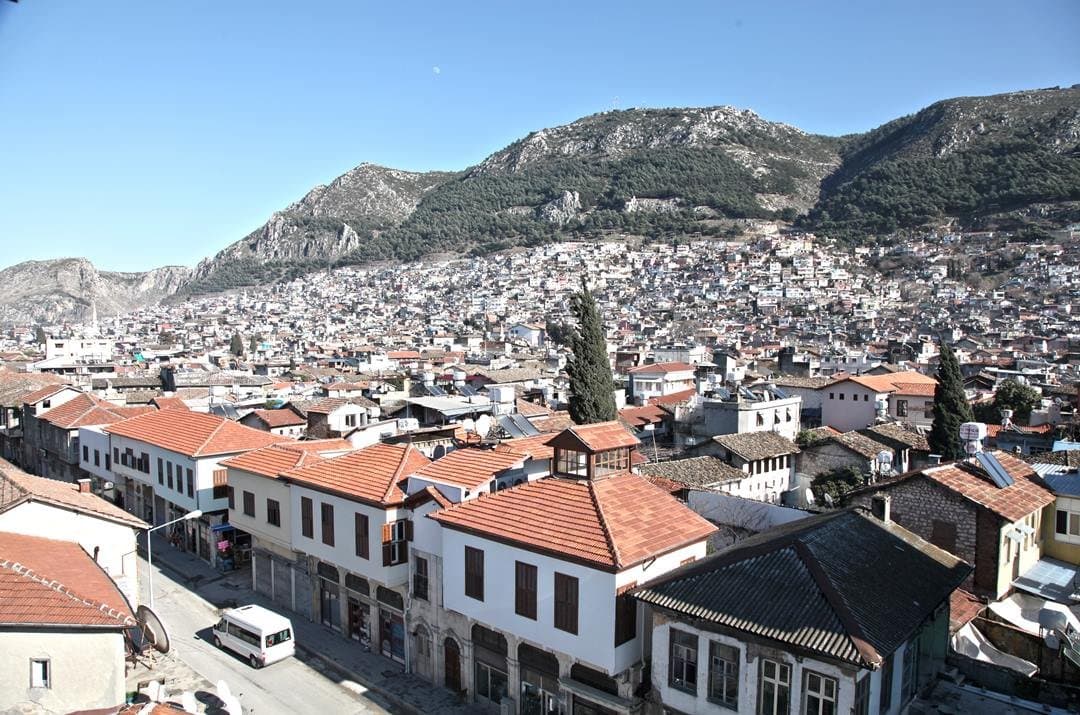
The lanes between Hurriyet and Kurtuluş Caddesi are the quaint huddle of Antakya's remaining old houses, with wooden overhangs and carved lintels the hidden courtyards are incredible. Take a city sightseeing tour, and you will find more preserved examples of beautiful Antakya architecture. Try some street food as you stroll around and get the real taste of Antakya.
Church of St. Peter
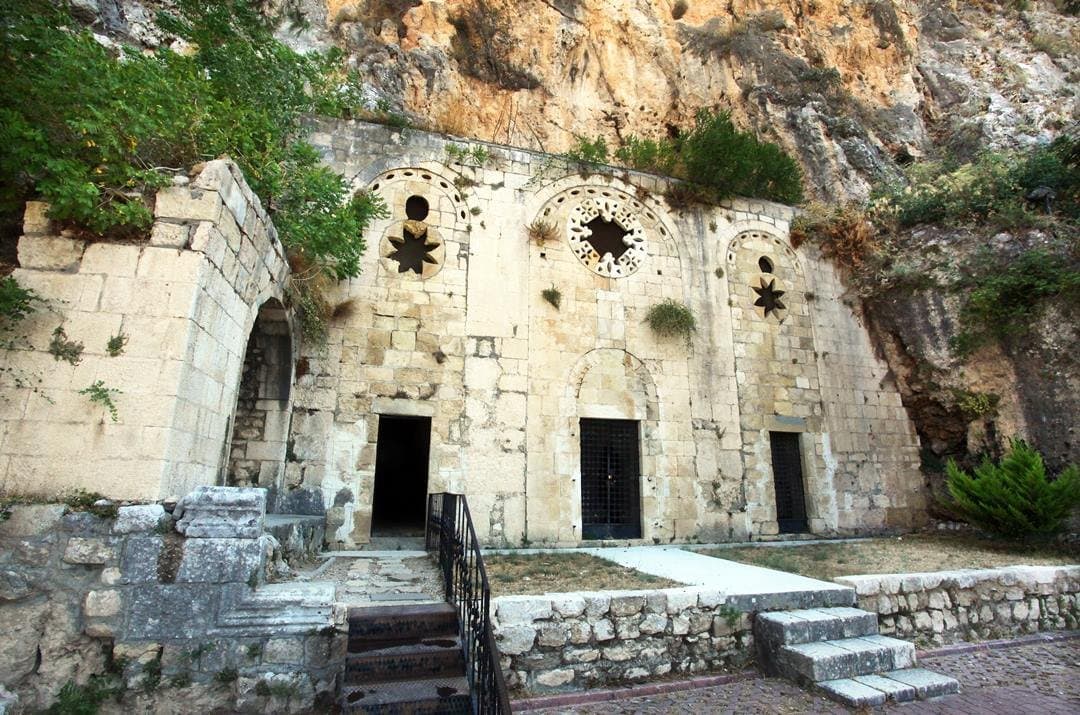
Private tours of this early Christian church which is cut into the slopes of Mt Staurin (Mountain of the Cross) was popular with religious worshipers and tourists. Thought to be the earliest place where the newly converted people met and prayed in secret the holy water on the site is believed to be blessed and have healing powers. Both St Peter and St Paul lived in the area and may have preached sermons at the Church.
Antakya Bazzar/Market
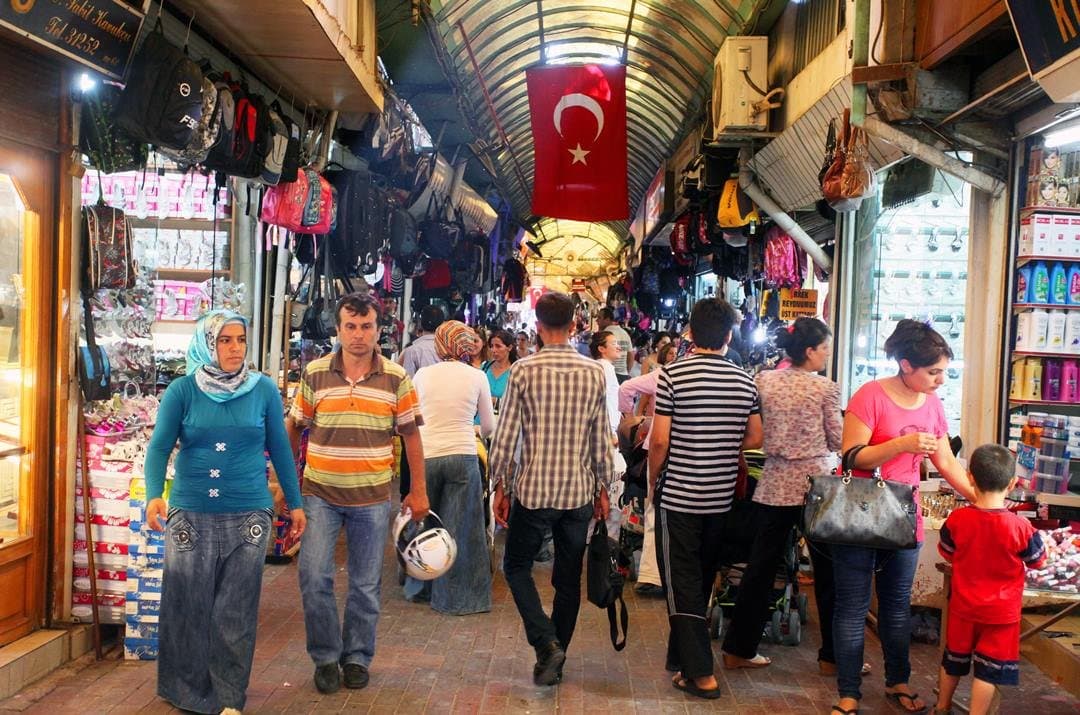
Antakya guided private market/bazaar tour brings all you bargain-hunters to your idea of heaven. Everything is sold here from genuine fake designer clothes, shoes, bags and jewellery. The most fabulous food stalls and spice markets with every spice you can imagine. The colourful fruits and aromatic spices are dazzling, but the most fun is haggling with the traders.
Hatay Archaeology Museum
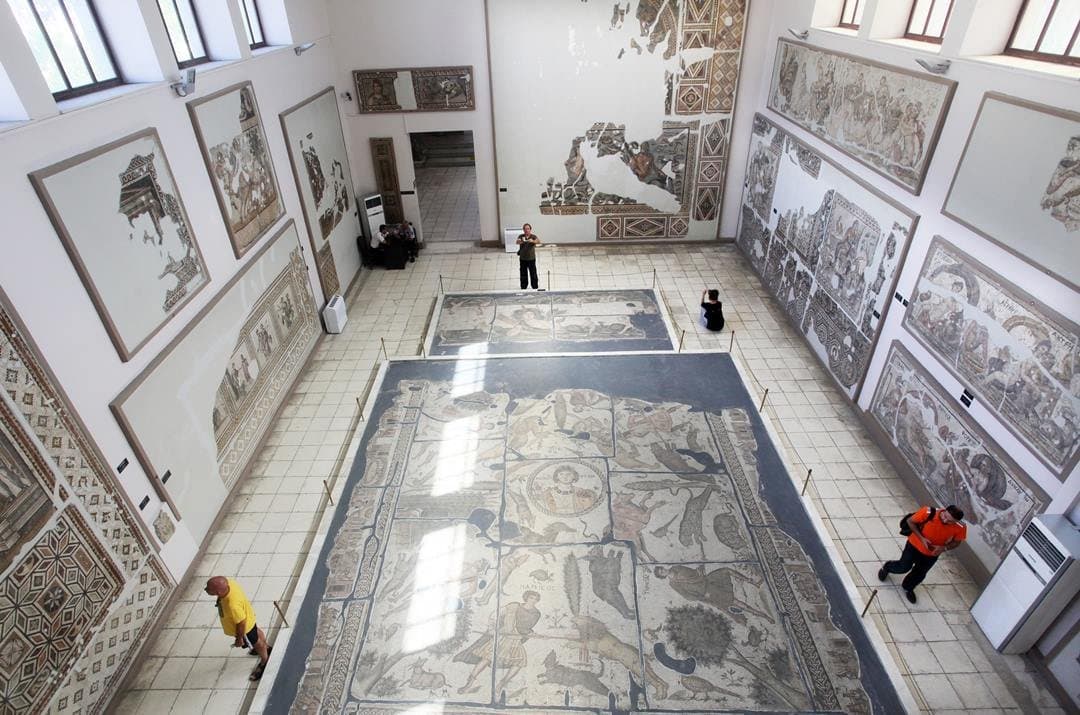
Take a guided private tour of the Hatay Museum and see one of the world's richest collections of Byzantine and Roman mosaics. The refurbished museum will be in a position to display the many works of art and the dazzling collection of modern canvas ever seen. The full body mosaic of Thetis and Oceanus are the most anticipated exhibits in the collection. The famed unfinished Antakya Sarcophagus will also be on exhibit.
Habibi Neccar Camii
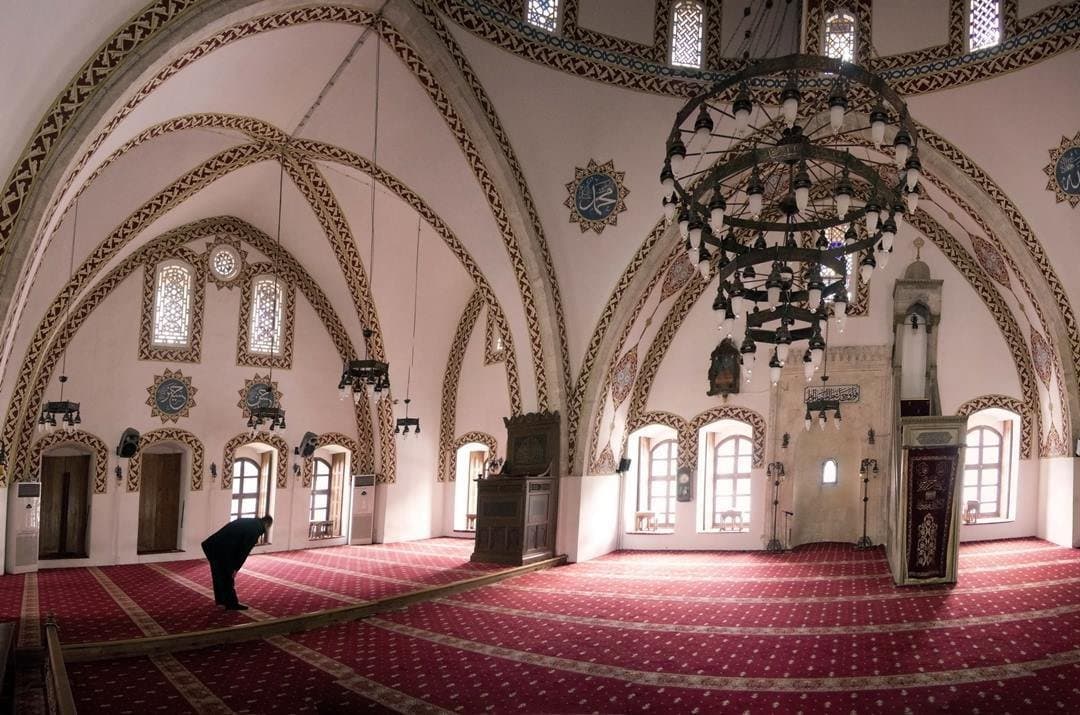
Thought to be the oldest mosque in Turkey the Habibi Neccar Camii private tour is a stop off on all Antakya sightseeing tours. This Mosque dates back to the 7th century A.D. and still stands as a place or worship today. Your tour guide will give you information about the Islamic martyr Habibi Najjar is thought to be entombed in the mausoleum there.
Roman Catholic Church
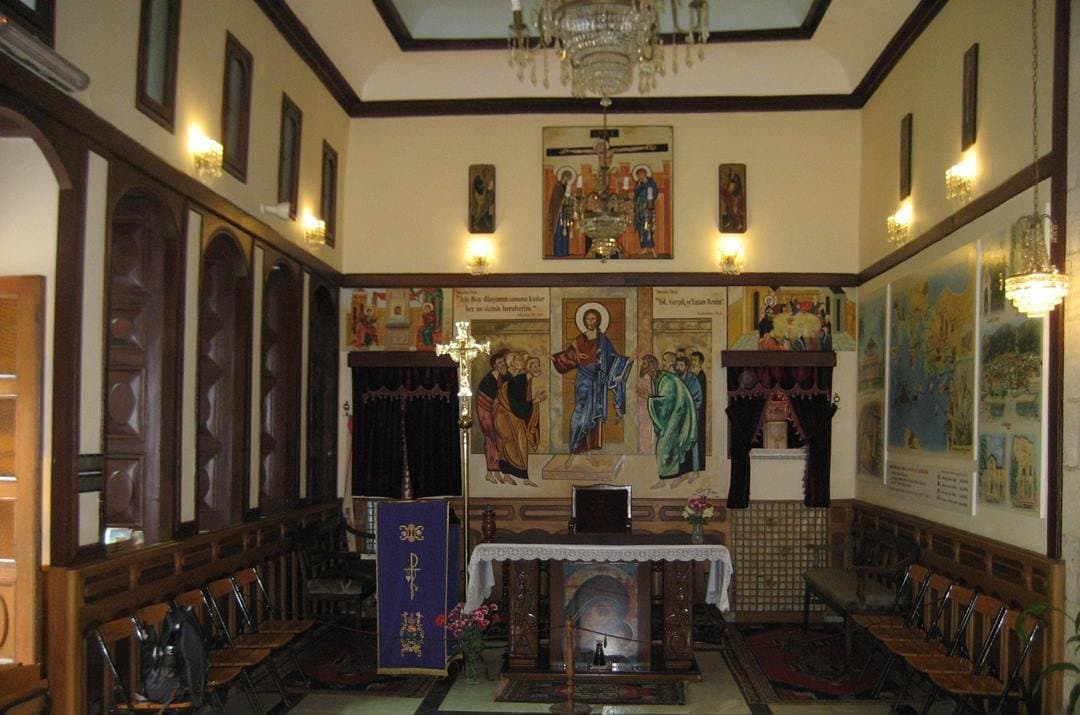
This Italian-ministered Roman Catholic Church was built in mid 1800's in Antakya and occupies a few houses in the city's old quarter. The properties were converted into a chapel and living area for the Priest in residence. This place of worship is on all Antakya guided private city tours.
Jewish Synagogue
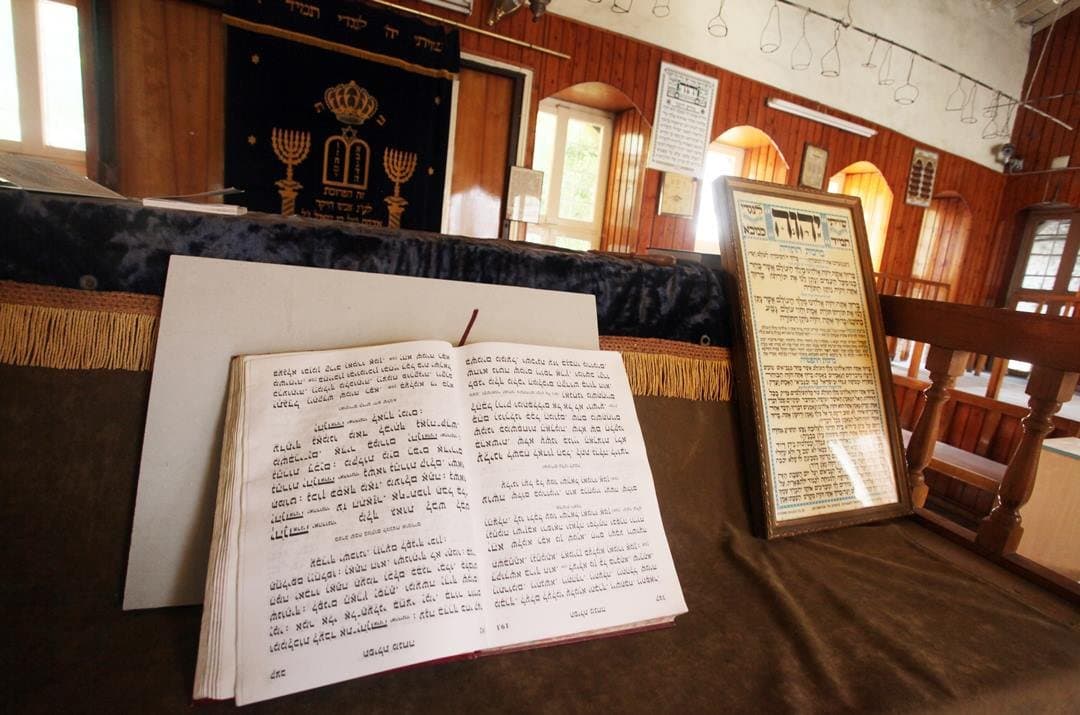
All Antakya city tours will stop off at one of the last known remnants of Antakya's once large and vibrant Jewish community, the Synagogue on Kurtuluş Caddesi. The worshipers have dwindled in recent years to now an estimated amount of only 20 members.
Antakya Ulu Cami (Mosque)
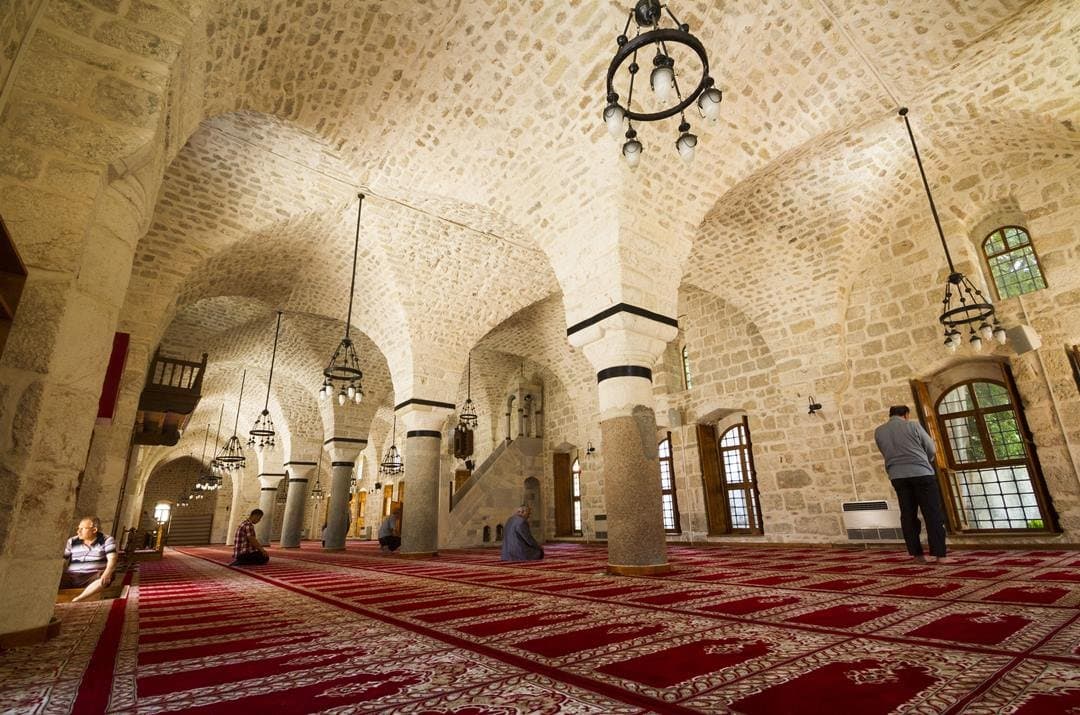
Antakya's Ulu Cami (Grand Mosque) is the epicentre of the old-city district. This lovingly preserved Mosque is still a place of worship today and is proudly cared for by the residents who look after the green areas outside and keep the Mosque in pristine condition.
Visiting Antakya Today
Antakya was one of the cities hit hardest by the February 6, 2023 earthquakes. Large parts of the old town east of the Orontes River were destroyed, along with historic churches, mosques, and the synagogue. Reconstruction has progressed unevenly across the city. Some landmarks have been restored and reopened, while whole neighborhoods remain building sites. Travelers who come now will find a city in recovery rather than the postcard Antakya of older guidebooks.
That makes planning more important than usual. Opening times change, some roads in the center are closed for construction work, and a few well-known sights remain shut. Check the status of each place shortly before you go, keep your plans flexible, and remember that many residents lost homes and family members. Visitors who spend money in local restaurants, workshops, and guesthouses are a welcome part of the city's return.
Antioch's Mosaics
Ancient Antioch and its garden suburb of Daphne were famous for floor mosaics, and Antakya has two museums devoted to them. The Hatay Archaeology Museum, ranked among the biggest mosaic museums anywhere, built its collection from finds at Daphne, Antioch, and Seleucia Pieria. Its building was badly damaged in 2023, and the collection went into protected storage. Officials have said the museum will reopen in stages from late 2026, so confirm its status on muze.gov.tr before visiting.
The Necmi Asfuroğlu Archaeology Museum, inside the Museum Hotel complex in central Antakya, reopened in June 2024. Its centerpiece is a single mosaic floor of about 1,050 square meters, dating to around the sixth century AD and discovered in 2010 during the hotel's construction. It survived the earthquakes undamaged. Around 340 objects from the Hellenistic, Roman, Byzantine, and Islamic periods are displayed alongside it.
The Cave Church of St. Peter
On the western slope of Mount Stauris, a short drive northeast of the center, St. Peter's Church occupies a cave in the mountainside. Tradition holds that the early Christian community of Antioch gathered here in secret, and it is often called the first cave church. Crusaders added the stone facade in the 12th and 13th centuries. Inside, fragments of a fourth- or fifth-century mosaic floor survive, and a narrow tunnel at the back is said to have served as an escape route.
Pope Paul VI declared the church a pilgrimage site in 1963. Today, it is managed as a museum, and services are held only on a few dates a year, such as June 29, the feast day of Peter and Paul, and Christmas Eve. Check muze.gov.tr for visiting hours and fees.
Habib-i Neccar Mosque and the Long Bazaar
The Habib-i Neccar Mosque stands at the heart of the old city and is often described as one of Anatolia's oldest mosque sites. The building has been rebuilt many times. An earthquake destroyed it in 1853, and the Ottomans rebuilt it. It was then severely damaged again in 2023. After a careful restoration, it reopened for prayer in December 2025, and for many residents, it has become a symbol of the city's recovery.
Nearby, the historic Long Bazaar, or Uzun Çarşı, was once a busy market street lined with small shops and workshops. More than a thousand shops are being rebuilt in stages, and traders are moving back as sections are completed, so the bazaar you see will depend on when you visit.
Eating in Antakya
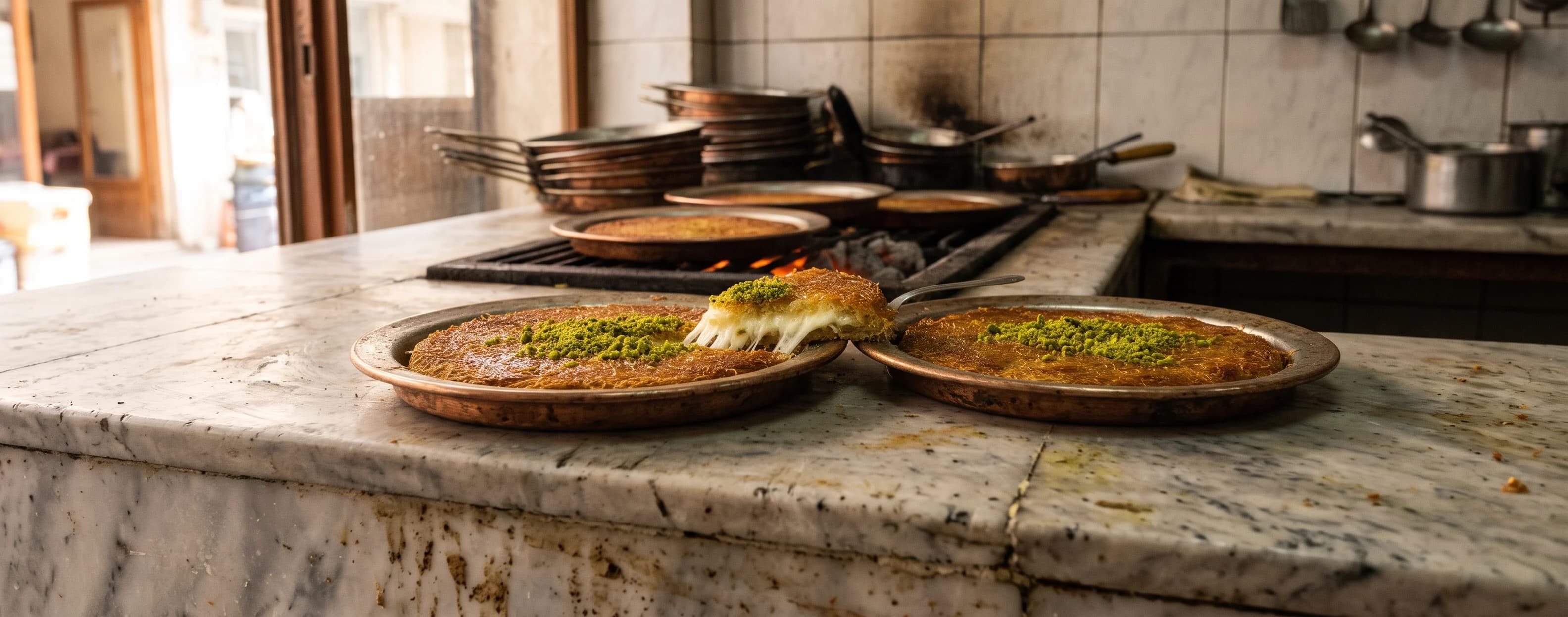
Food is one of the best reasons to come. Hatay joined UNESCO's Creative Cities Network as a City of Gastronomy in 2017, recognizing a cuisine that draws on Turkish, Arab, Armenian, and Mediterranean traditions. Antakya is home to künefe, a shredded pastry baked around soft, unsalted cheese and soaked in syrup, best eaten hot. Also look out for içli köfte, bulgur shells stuffed with spiced meat; katıklı ekmek, a flatbread spread with chili and herbs; and generous spreads of hummus, muhammara, and other mezes.
Laurel soap, made with oil from the bay trees that grow around the city, makes a classic take-home gift. In the evening, many locals head out to Harbiye for tea and dinner under the trees.
Day Trips Around Hatay
Harbiye: A short drive south, the ancient suburb of Daphne is known for its springs, shady tea gardens, and the laurel trees of the Apollo legend. Many of the finest mosaics in the Hatay collection were found here.
Samandağ and the Titus Tunnel: Near Çevlik on the coast, about 30 kilometers southwest of Antakya, Roman engineers cut a long channel through solid rock to keep floodwater away from Seleucia Pieria, the port of ancient Antioch. Check local access before you go, as the area was also affected by the earthquakes.
The wider region: Antakya pairs well with Adana to the northwest, the mosaic museum and baklava of Gaziantep, and further east, Şanlıurfa and Mardin.
Getting to Antakya
Hatay Airport (HTY) lies about 25 kilometers north of the city and receives domestic flights, with regular connections from Istanbul. Shuttle buses and taxis connect it with the center. Adana Airport is another option, a few hours' drive to the north. Long-distance buses reach Antakya from across southern Turkey. With two or three days, you can see the city's main sights, eat well, and add a trip to Harbiye or the coast, before continuing to Cappadocia or flying back to Istanbul.