Eastern Anatolia's Great Plain
The city of Muş sits on the southern edge of the Muş Plain, the second-largest plain in Eastern Anatolia after Iğdır. The Murat River, the eastern branch of the Euphrates, enters the plain between the Şerafettin and Otluk mountains. The Karasu, rising on the slopes of Mount Süphan, joins it in the west. Wheat fields, pastures, and wetlands cover the flat ground, while mountain ranges rise on every side. Mornings here are often foggy, and one local story links the city's name to an Armenian word for mist.
The province covers about 8,700 square kilometers and is home to roughly 400,000 people, mostly Kurdish. Outside the provincial capital, life revolves around farming and herding. Towns such as Malazgirt, Bulanık, and Varto sit on their own smaller plains and valleys.
A Long and Layered History
People have lived on the Muş Plain for thousands of years. An inscription of the Urartian king Argishti I, who ruled in the eighth century BC, was found near Kepenek Castle, and the Urartians built fortresses along the Murat valley. In the Middle Ages, Muş was the center of Taron, an Armenian region known for its monasteries, until Byzantium annexed it in 969.
After the Seljuk victory at Malazgirt in 1071, the area passed to the Ahlatshahs, then to the Ayyubids, the Ilkhanids, and the Kara Koyunlu. Timur captured the town in 1387. The Ottomans took control in the early 1500s. For centuries, Muş had a large Armenian population living alongside Kurdish and Turkish communities. That chapter ended with the deportations and massacres of 1915. During World War I, the town changed hands between Russian and Ottoman forces in 1916 and 1917.
Sights in the City
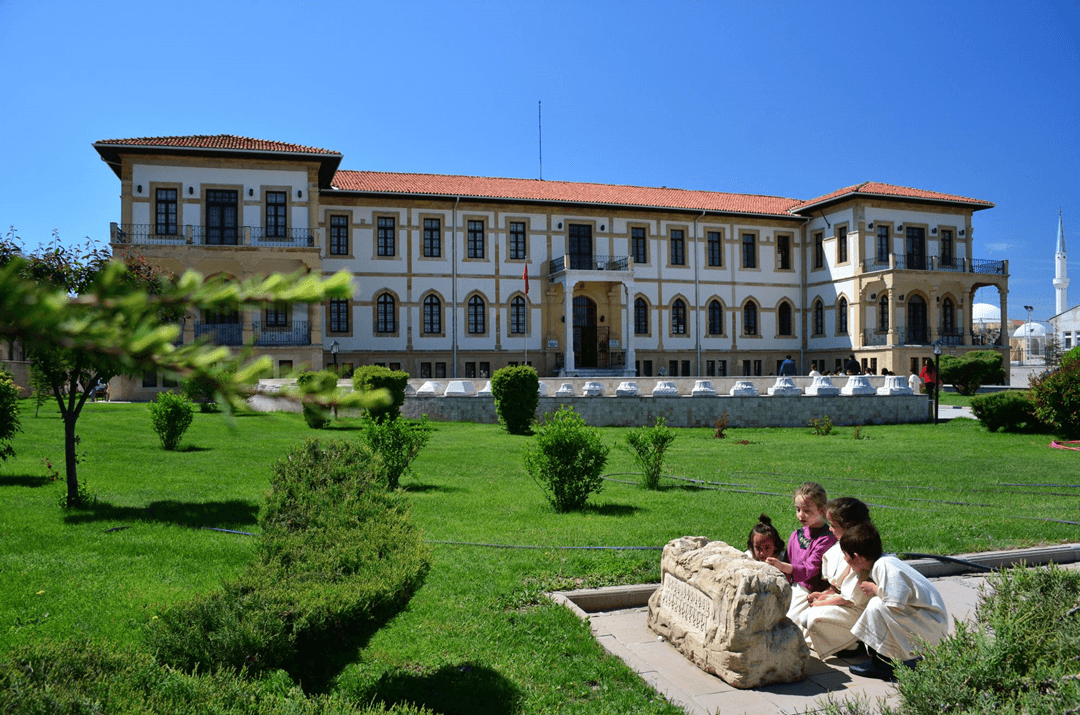
Modern Muş is a busy regional center, and its older buildings are spread out between newer streets. The Alaaddin Bey Mosque, built in the 18th century, is the best known, with a bathhouse and fountain from the same period nearby. The Hacı Şeref Mosque dates to the 17th century, and the Ulu Mosque is older still. The Esenlik Mosque is another historic stop, and the remains of Muş Castle stand on the hill above the center.
North of the city, the Murat Bridge carries the old road across the river on a long series of arches. The present structure is about 190 meters long and 5 meters wide and was completed in 1871. The first bridge here is thought to date back to the Seljuk period in the 13th century. Haspet Castle, another old fortification in the province, makes a good addition to a day of sightseeing around the city.
Malazgirt and the Battle of 1071
On August 26, 1071, the Seljuk sultan Alp Arslan defeated the Byzantine emperor Romanos IV Diogenes near Malazgirt, known in Greek as Manzikert. The emperor was wounded and taken prisoner, and the defeat opened the way for Turkish settlement across Anatolia. In Turkey, the battle is remembered as the moment Anatolia began to become a Turkish homeland.
Today, Malazgirt is a small district town in the north of the province, where the remains of Malazgirt Castle are still visible. Every year, the anniversary is marked at the Malazgirt Historical National Park with ceremonies, concerts, traditional games, archery displays, and rows of yurt-style tents. Events usually run over several days leading up to August 26, and some take place in Ahlat, across the provincial border in Bitlis. Accommodation in the area is limited, so book early if you want to attend.
Monasteries of Historic Taron
The Muş region was once a major center of Armenian monastic life. Surb Karapet, about 30 kilometers northwest of the city, was among the most important religious sites of medieval Armenia. According to tradition, Gregory the Illuminator brought relics of John the Baptist here in the early fourth century, although historians link the monastery's rise to a later period. It was burned and looted in 1915, and very little survives today. Carved stones from the monastery can be seen built into houses in the village of Yukarıyongalı.
Arakelots Monastery, about 11 kilometers southeast of Muş, was largely destroyed in the 1960s, but its ruins are still visible. Its main church most likely dates to the 11th century. Both sites lie in rural areas, so it helps to travel with a local driver or guide who knows the roads.
Varto and the Kayalıdere Fortress
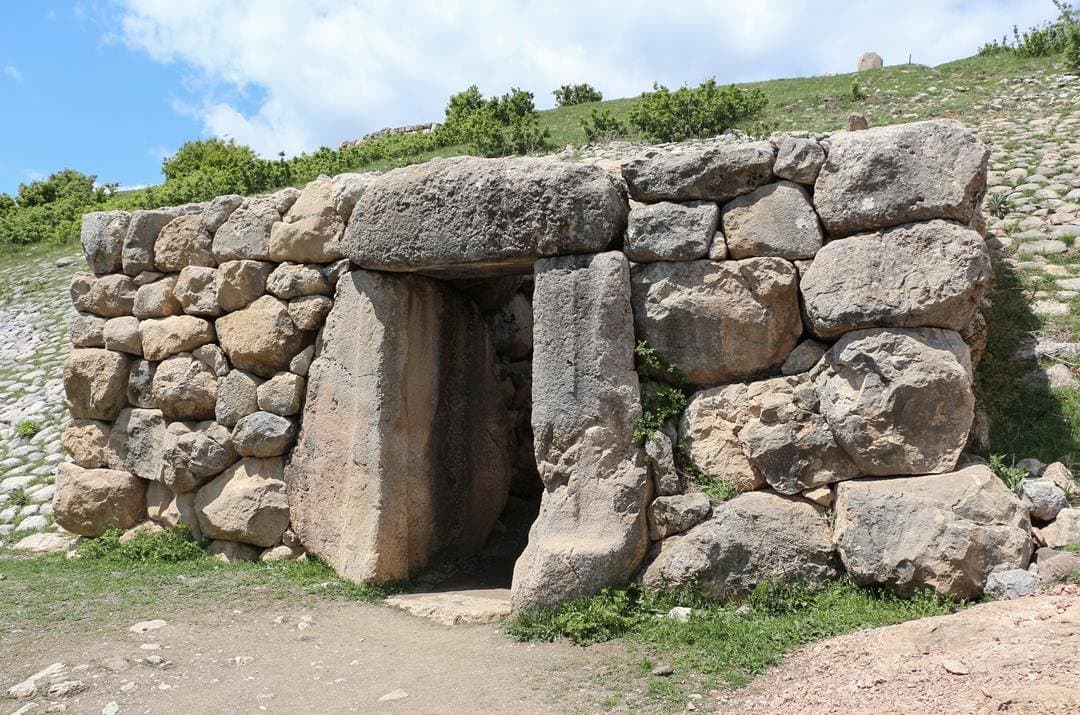
In the Varto district, the Urartian fortress of Kayalıdere sits on a craggy hill in the Murat valley. It is thought to date from the reign of Sarduri II in the eighth century BC, and excavations have recovered hundreds of pieces of Urartian pottery. Since the Alparslan 2 Dam reservoir filled, the hill now looks like an island, and reaching it may require a boat, so confirm local access before setting out.
Tulips, Lakes, and Mountains
Muş is famous in Turkey for its wild tulips. In spring, usually from mid-April, red tulips bloom on the slopes and fields around the plain for only about two weeks, drawing photographers and day-trippers from across the region. The flowers are protected, and picking or selling them can bring a heavy fine, so enjoy them where they grow.
The province also has several mountain lakes, the largest being Akdoğan, Haçlı, and Kaz. At the eastern end of the plain, the İron wetland adds reed beds and open water to the scenery. Snow lies on the ground for much of the winter, and some rural roads can be hard to travel between November and March.
Local Food
Muş cooking is hearty and suited to long winters. Muş köftesi, boiled balls of bulgur and minced meat, is the city's signature dish. Also look for keşkek, a slow-cooked mix of wheat and meat; kaburga dolması, stuffed lamb ribs; and fresh tandır bread baked in clay ovens. Local honey makes a great souvenir.
Getting There and Around
Muş Sultan Alparslan Airport is about 17 kilometers outside town, with flights from Istanbul and Ankara. The Vangölü Express, the long-distance train between Ankara and Tatvan, stops at Muş station, but schedules change, so check with the Turkish State Railways (TCDD) before you travel. Intercity buses connect Muş with other cities in eastern Turkey.
Distances in the province are long, and buses rarely serve rural sites, so traveling by car or with a private driver makes it far simpler to combine the Murat Bridge, Malazgirt, and the monastery ruins. Muş also fits well into a longer trip around eastern Turkey that takes in Lake Van, Ahlat, and Mount Ararat in Ağrı. For other regions that pair well with Muş, browse our Turkey travel guide.