Things to Do in Poland, Region by Region
Kraków and Nearby
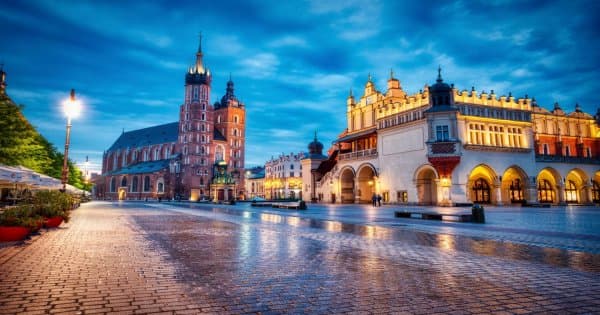
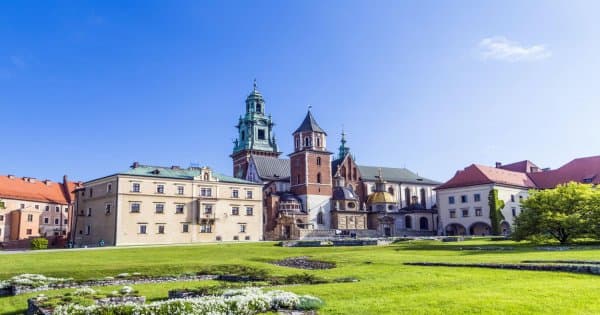
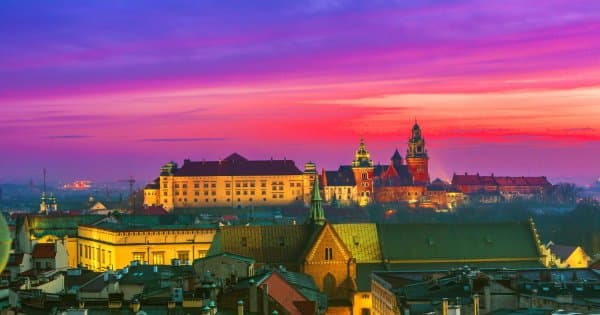
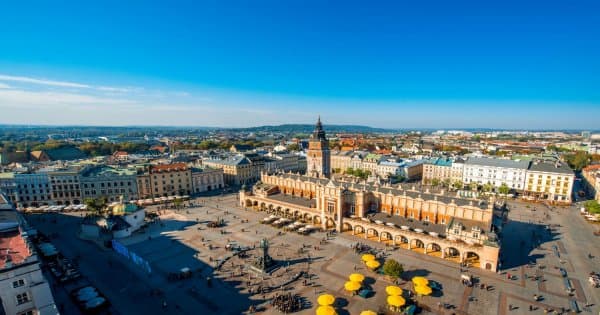
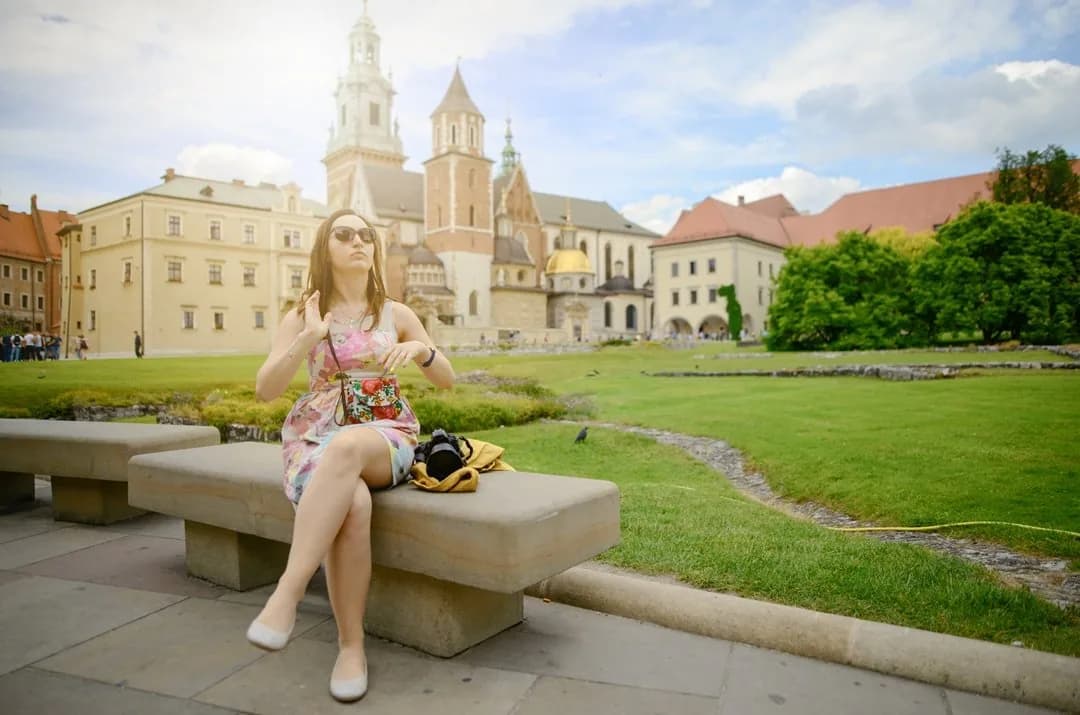
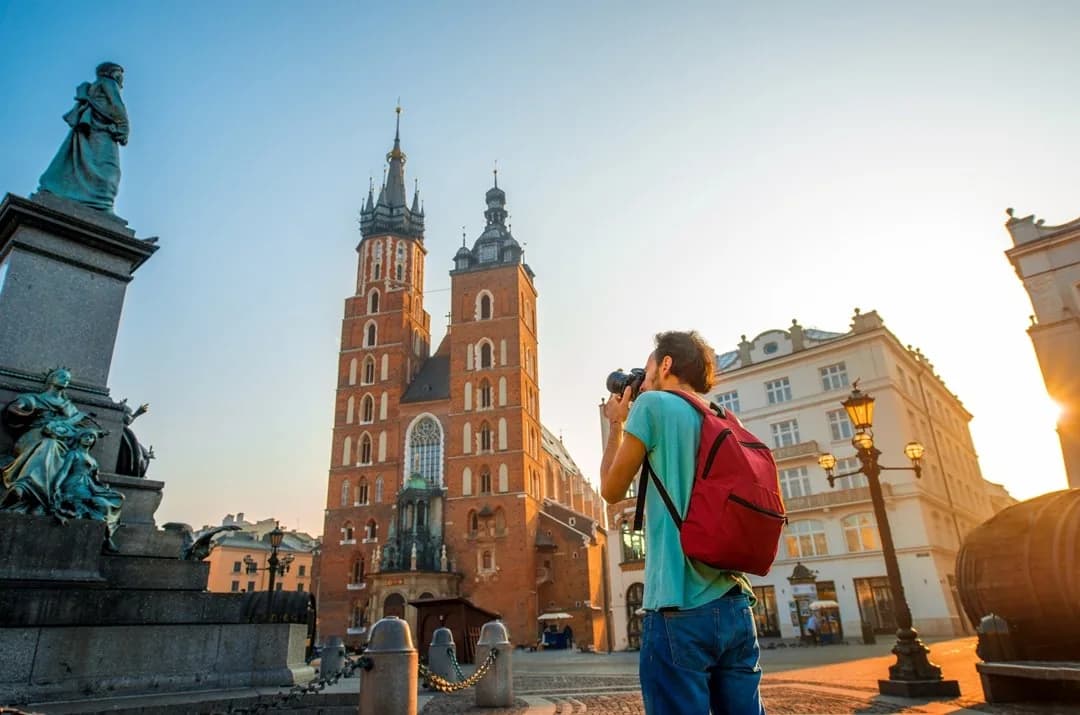
Kraków is the natural place to start. UNESCO lists its whole historic center: the medieval merchants' town around the Main Market Square, Wawel Hill with the royal castle and the cathedral where Polish kings were buried, and Kazimierz, where several old synagogues still stand. The Old Town is easy to cover on foot, and a guide can help you read its layers, from merchant houses and church towers to the royal apartments inside Wawel.
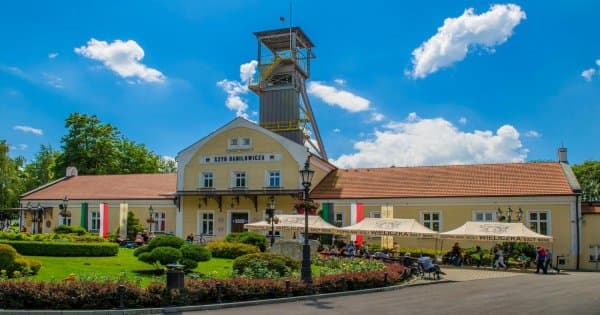
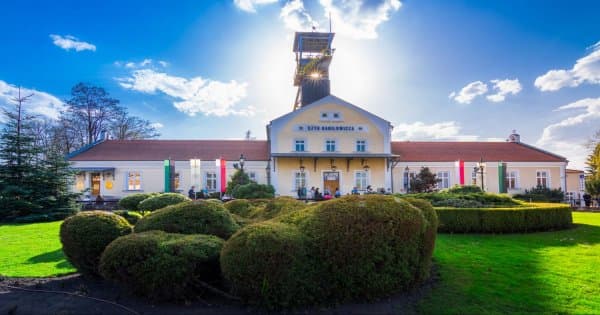
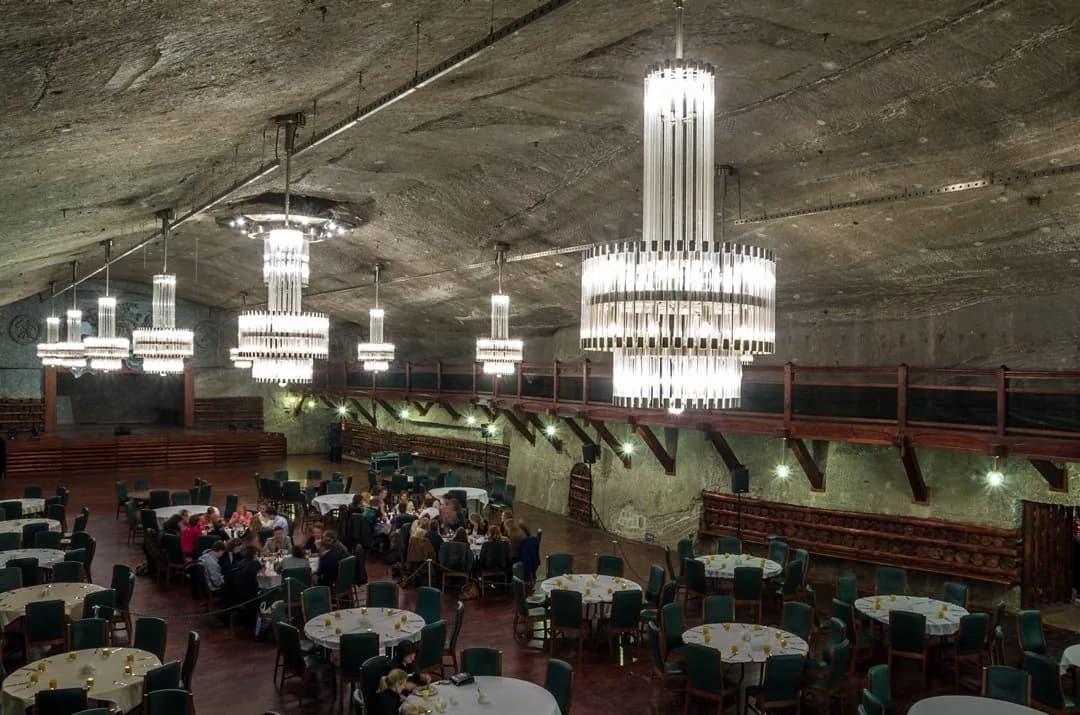
The Wieliczka Salt Mine is about 6 miles (10 km) southeast of Kraków's city center, and a suburban train runs there from Kraków Główny station. Its guided Tourist Route leads down to underground chapels, salt sculptures, and saline lakes shaped by centuries of mining.
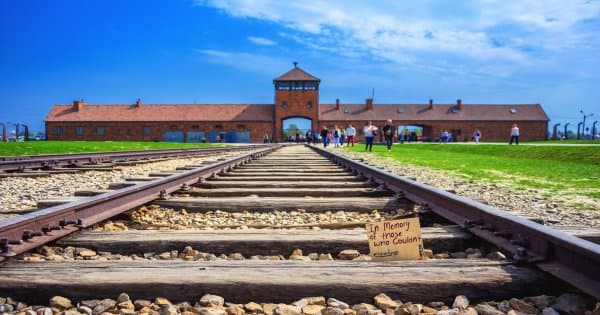
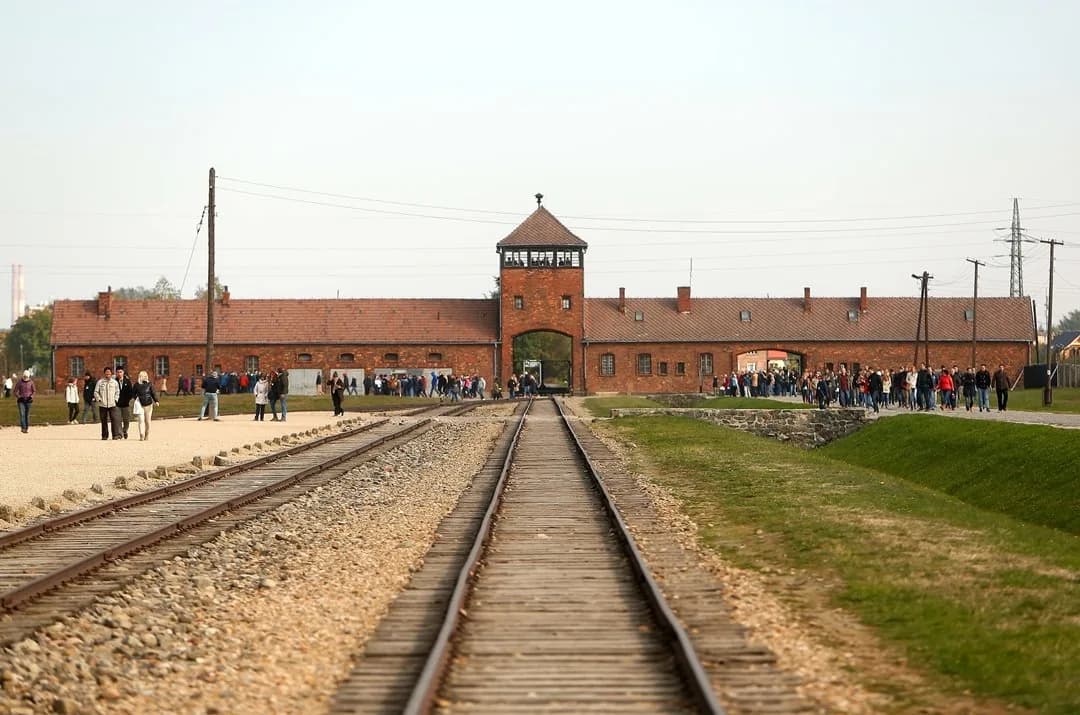
The Auschwitz-Birkenau Memorial and Museum stands on the outskirts of Oświęcim, west of Kraków, with bus and minibus connections to the city. It is a place of remembrance, not sightseeing. The Museum suggests visiting with a guide-educator to understand the site's history better, and it asks visitors to dress and behave with respect. A visit there and to Wieliczka on the same day is possible but long and emotionally demanding.
Warsaw
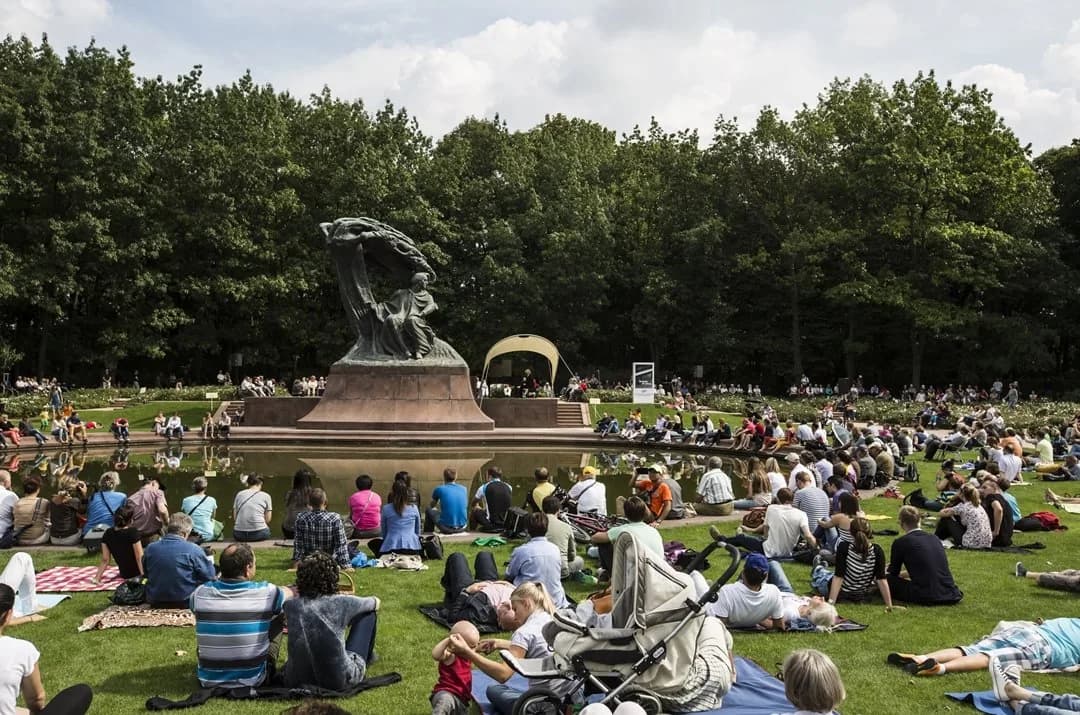
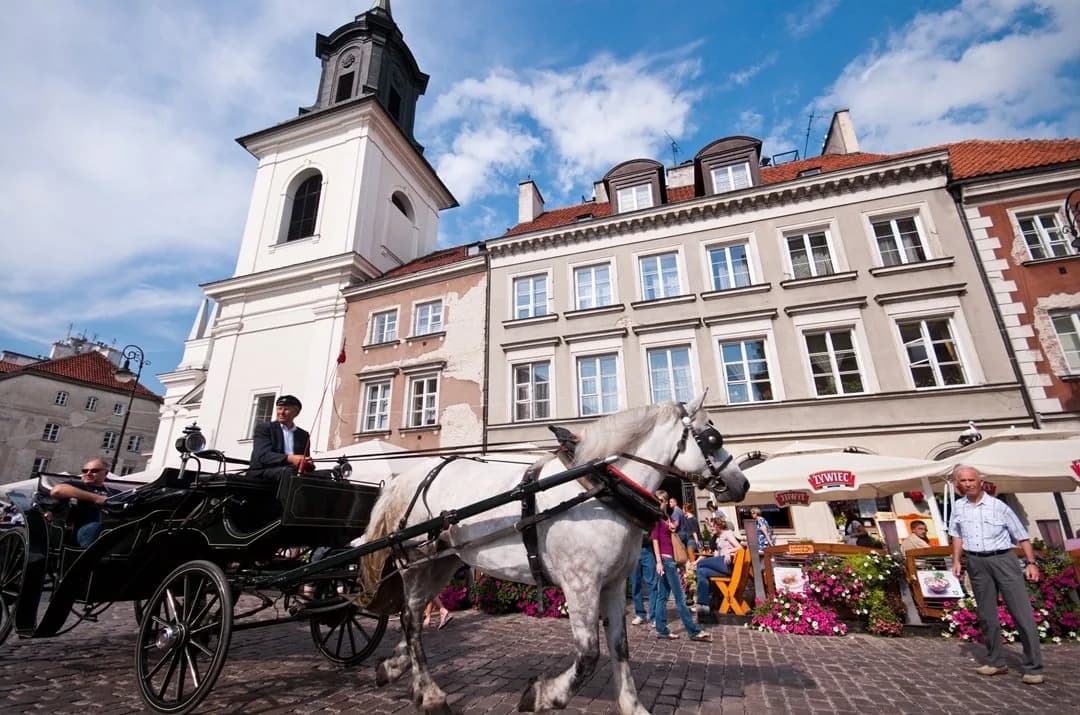
During the Warsaw Uprising in 1944, more than 85% of Warsaw's historic center was destroyed. After the war, residents rebuilt the Old Town using archival documents and historical records, and UNESCO recognizes it as an outstanding example of near-total reconstruction. You can walk from the Royal Castle past the Old Town Market Square to the Barbican, then head to Royal Łazienki, the summer residence of Poland's last king, Stanisław August, where free Chopin recitals take place by the Chopin Monument on summer Sundays.
Northern Poland: Malbork Castle and the Masurian Lake District
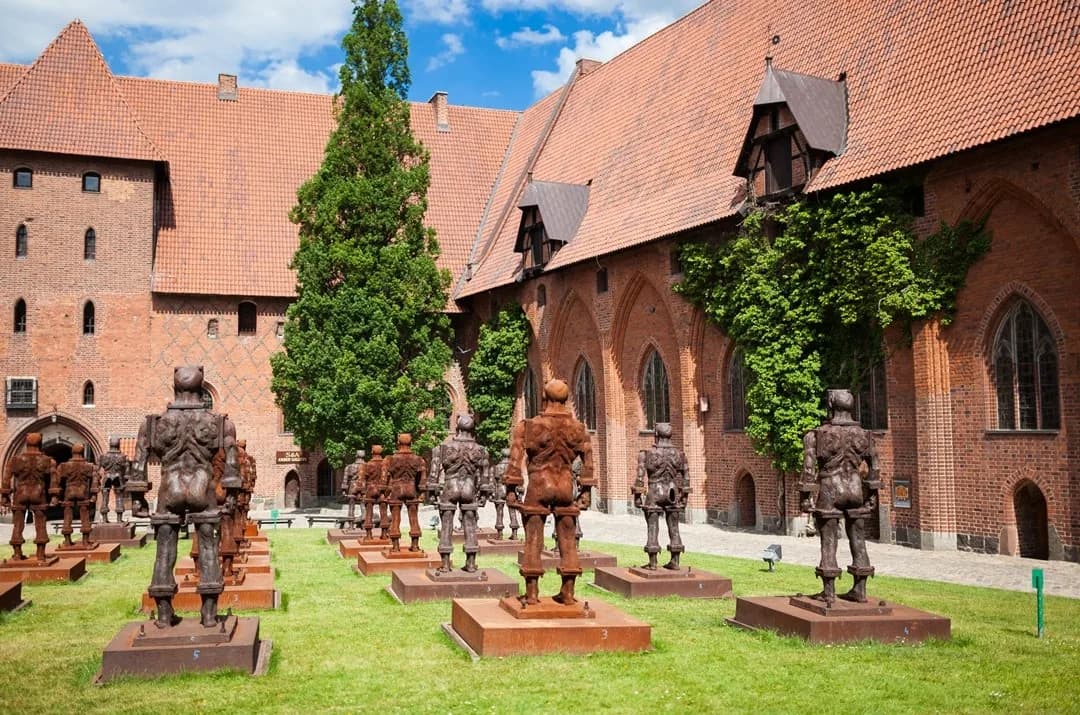
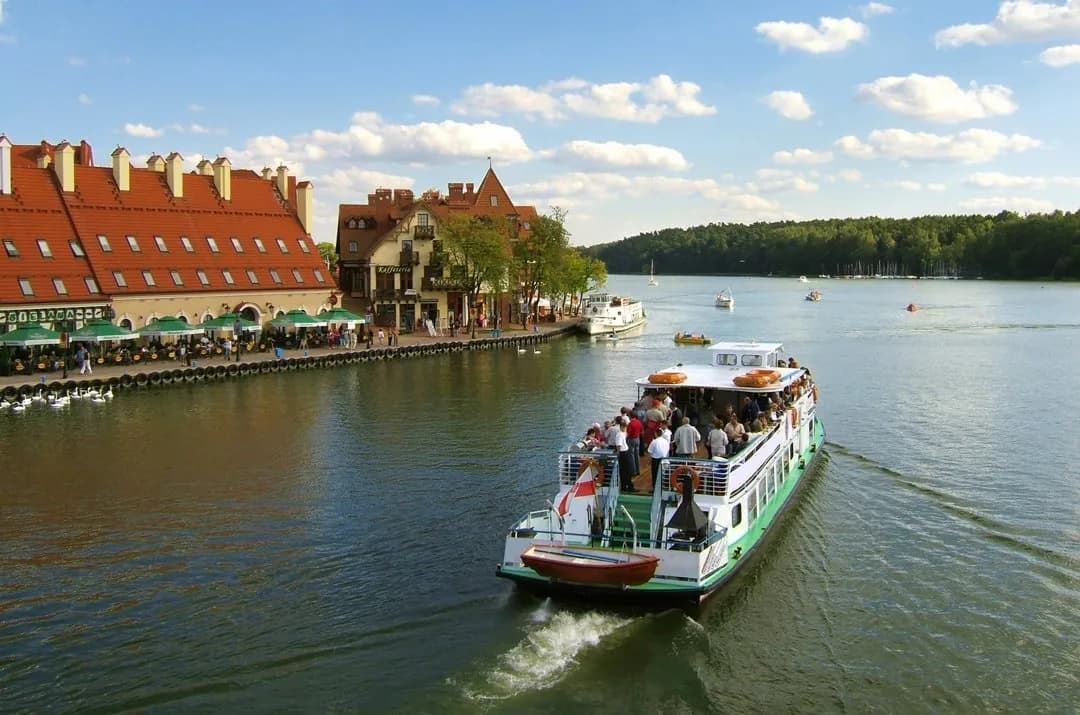
Malbork Castle stands on the Nogat River in the north, a vast brick fortress of the Teutonic Order, whose Grand Master moved his seat here in 1309. UNESCO calls it the most complete and elaborate example of a Gothic brick castle complex. Plan to walk the Historical Castle Route with a guide or an audio guide, since one or the other is required. Farther east lies the inland Masurian Lake District, where sailors and boat passengers find Śniardwy, Poland's largest lake, and lakeside towns such as Mikołajki.
Mountains and Forests: the Tatras and Białowieża
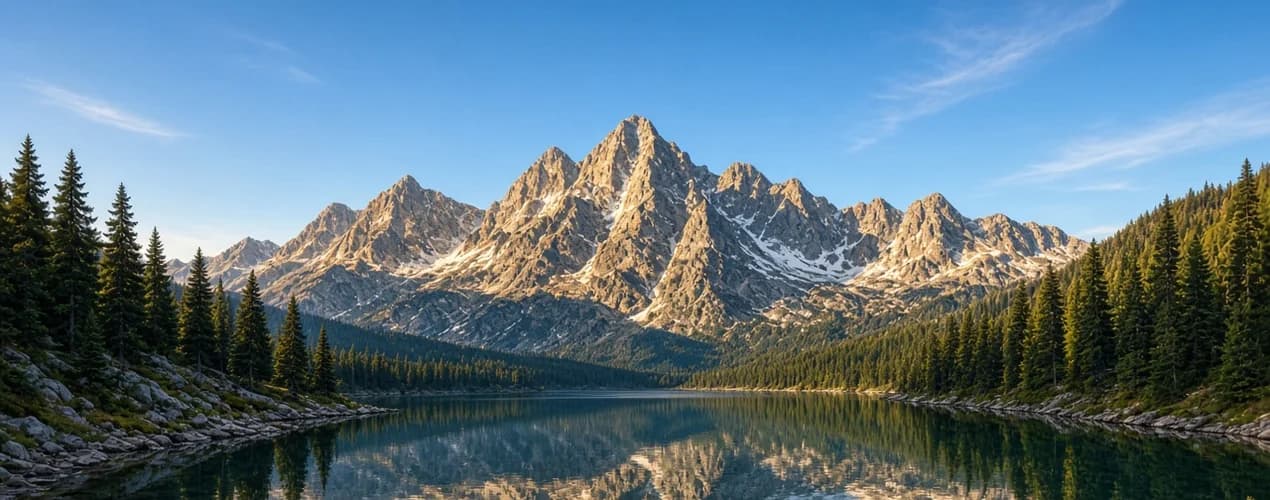
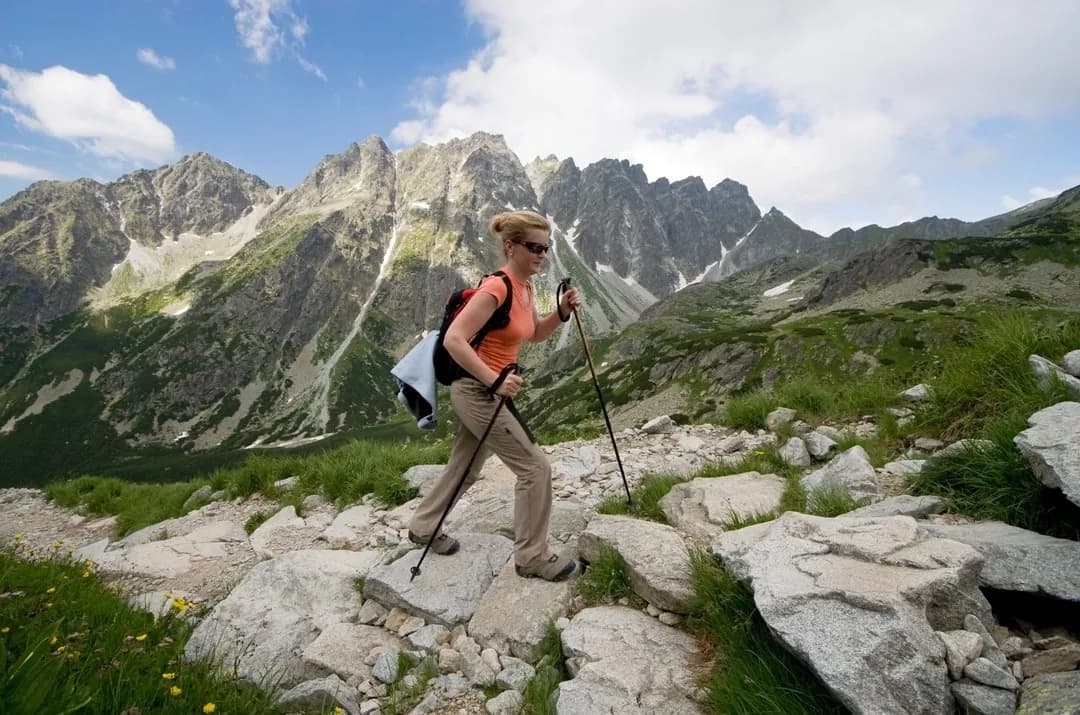
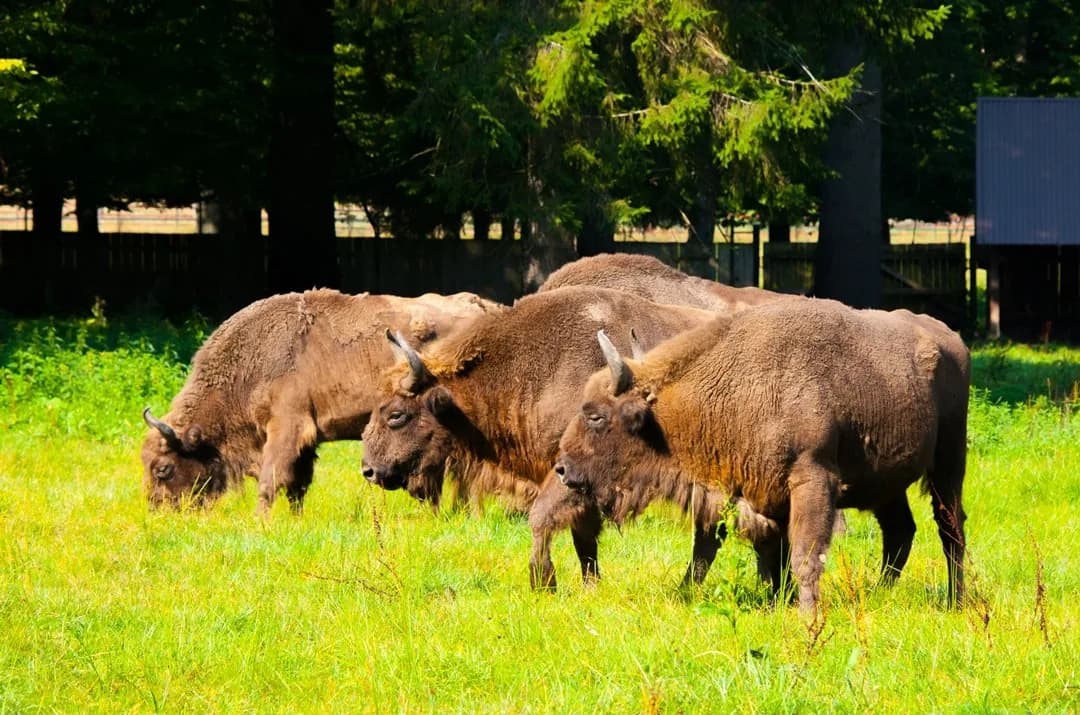
The Tatra Mountains on the Slovak border are Poland's highest range. Zakopane, home to the national park's tourist information point, is a convenient base for hikes on about 170 miles (275 km) of marked trails, from valley walks to the lake of Morskie Oko and, for experienced hikers, the climb to Rysy, Poland's highest point. In the far east, Białowieża Forest protects a vast tract of primeval forest and the world's largest free-roaming population of European bison.
Best Time to Visit Poland
Poland's official tourism board recommends May–June and September–October, when it's still warm and there are fewer tourists. Summer brings the warmest weather, with temperatures around 68–77°F (20–25°C), and more visitors. November turns cool and rainy, and winter is cold, often cloudy, and snowy, though the Tatras then switch to skiing around Kasprowy Wierch. Mountain conditions follow their own calendar: snow can linger on the higher Tatra trails into early summer, and some trail sections close seasonally, so check Tatra National Park's current trail conditions before any hike. Pack a rain layer, whatever the season.
Planning a Poland Trip
Getting Around
Poland's main cities are linked by PKP Intercity trains. On the fastest Express InterCity Premium service, Warsaw to Kraków takes about 2 hours 20 minutes, and you need a ticket before boarding; check the current timetable, as times vary by train. Malbork and Masuria in the north, the Tatras in the south, and Białowieża in the east lie far apart, so plan them as separate trips or travel with a driver.
Book Ahead for the Big Sites
A few major sites cap visitor numbers, so they are worth booking first. For the Auschwitz-Birkenau Memorial, entry cards are free but personalized, and you can reserve them only online; none are available at the entrance. If you'd like a guide-educator, the Museum advises booking at least two months ahead. Wawel Castle uses timed tickets with daily limits, while Malbork Castle admits up to 500 visitors per hour. Early booking matters most in summer.
Money and Entry Rules
Poland's currency is the złoty (PLN). Poland is part of the EU and the Schengen Area. Visa requirements, permitted length of stay, and the EU's new border-registration and travel-authorization systems depend on your nationality and residence status, so check the official EU and Polish government guidance for your situation before you travel.
Frequently Asked Questions
What is the best time to visit Poland for tours?
For cities and sightseeing, Poland's official tourism board recommends May–June and September–October, when it's still warm and there are fewer tourists. Summer is the warmest season and draws more visitors. November is often wet, and winter is cold and snowy, though that's ski season in the Tatras. If you plan to hike in the High Tatras, conditions vary: snow can linger on higher trails into early summer, so check the national park's current trail reports.
How many days do I need for a Poland itinerary?
Allow at least three full days for Kraków, the Wieliczka Salt Mine, and the Auschwitz-Birkenau Memorial without rushing. Add one or two days for Warsaw, about 2 hours 20 minutes away on the fastest trains. Farther out, Malbork, Masuria, the Tatras, and Białowieża each need their own trip, so a week or more lets you add one or two of them.
Can I visit the Auschwitz-Birkenau Memorial without a guide?
Individual visitors may tour the Memorial on their own or join a guided tour, but organized groups must use an Auschwitz Memorial guide-educator. The Museum suggests a guided visit to understand the site better and says it's essential to see both Auschwitz I and Auschwitz II-Birkenau. Allow at least 90 minutes for each part.
How do I plan a visit to the Auschwitz-Birkenau Memorial from Kraków?
Start with the entry cards. They are free but personalized and limited. You can reserve them only on the Museum's official booking site, and none are issued at the entrance. A guide-educator costs extra, and the Museum advises booking one at least two months ahead. Buses and minibuses connect the Museum with Kraków. On the day, arrive at least 30 minutes early for security checks, and dress and behave in a way that suits a place of remembrance.
What can I bring into the Auschwitz-Birkenau Memorial and the Wieliczka Salt Mine?
Bags at the Auschwitz-Birkenau Memorial may be no larger than 35 x 25 x 15 cm (about 14 x 10 x 6 in); larger luggage should stay in your vehicle. At Wieliczka, only small carry-on bags up to 20 x 20 x 35 cm (about 8 x 8 x 14 in) are allowed underground. Larger bags can go in the free luggage storage on the surface or in automatic lockers, but locker space is limited.
Is the Wieliczka Salt Mine tour physically demanding?
That depends on your mobility. The Tourist Route is about 2.2 miles (3.5 km) long with about 800 steps, beginning with a descent of roughly 380 steps to the first level, 64 m (210 ft) underground. At the end, everyone rides an elevator back to the surface from 135 m (443 ft). The mine says no special fitness is needed but advises assessing your abilities realistically. If you have a chronic illness, check with your doctor first, and note that claustrophobia may be a contraindication. Strollers are impractical on the stairs. Visitors with limited mobility can book a separate tour of the route's adapted sections in advance. Underground, it's about 63–64°F (17–18°C), so bring a layer.
Can I visit Wieliczka and the Auschwitz-Birkenau Memorial on the same day?
It is possible, but it makes for a long day. The Wieliczka Tourist Route takes 2–3 hours, and the standard guided tour at the Memorial lasts about 3½ hours, plus travel time between the two sites. Booking entry cards and any guide in advance is essential.
How do I get from Warsaw to Kraków?
The quickest option is PKP Intercity's Express InterCity Premium train, at about 2 hours 20 minutes; standard InterCity trains take just under 3 hours. Times vary by train, so check the current timetable and buy Express InterCity Premium tickets before you board. By road, the trip is at least 188 miles (302 km).
What currency is used in Poland?
Poland uses the Polish złoty (PLN, zł), divided into 100 groszy. It is not the euro, so plan to pay in złoty.
What entry rules apply when visiting Poland?
Poland is part of the EU and the Schengen Area. Whether you need a visa, how long you may stay, and how the EU's Entry/Exit System and planned ETIAS travel authorization apply to you depend on your nationality and residence status. Check the European Union's official travel information and the Polish government's entry guidance for your situation before you book.
Do I need a ticket to hike in Tatra National Park?
In general, yes. The park requires an entrance ticket, whichever trail you take. Tickets are sold at park entry points, online, or via QR codes at the entrances. Some visitors enter free, including children under 7 and permanent residents of the local municipalities, so check the park's official list of exemptions. If you're driving toward Morskie Oko, book the official parking online in advance. The trail from Morskie Oko to Rysy is difficult and meant for experienced, well-equipped hikers; in early summer, lingering snow can call for crampons and an ice ax. Check the park's current trail conditions and seasonal closures before you set out.
Where can I see European bison in Poland?
Białowieża Forest on the Belarus border has the world's largest free-roaming population of European bison. Wild sightings are never guaranteed, but Białowieża National Park's European Bison Show Reserve lets you see them up close without a guide. You can enter the park's Strict Protection Area only with a park-licensed guide, in groups of up to 10.
Do I need a guide at Malbork Castle?
The Historical Castle Route requires a guide or an audio guide, and the ticket includes an English audio guide. Entry is capped at 500 people per hour, so buy tickets in advance during busy months. Opening hours and Monday arrangements change by season; in the fall-winter season, for example, Mondays are free, but only the Castle Grounds Route is open, so check the museum's current route schedules before you go.