Wrocław, the Regional Capital
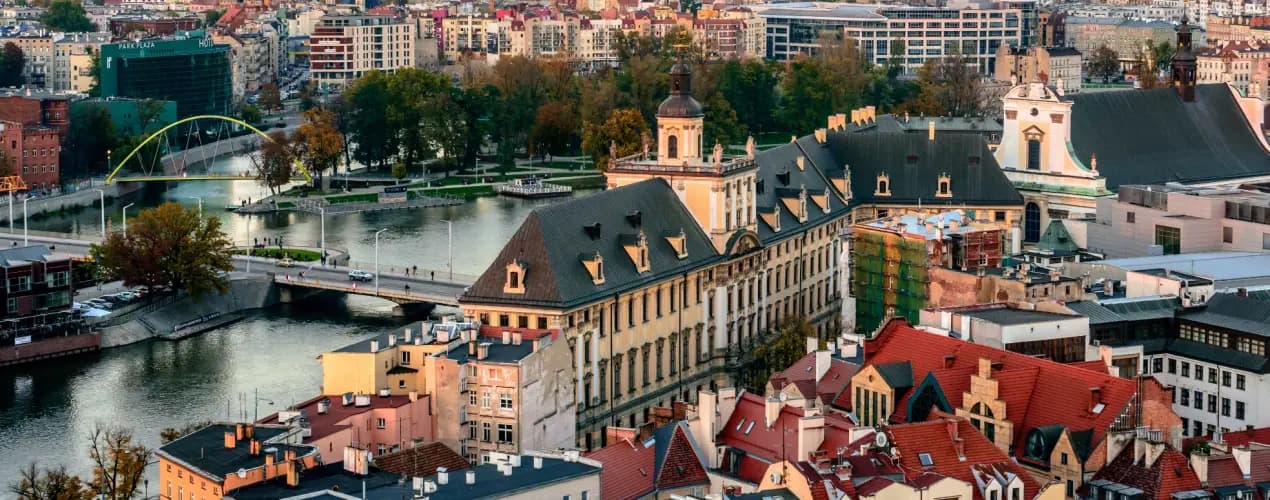
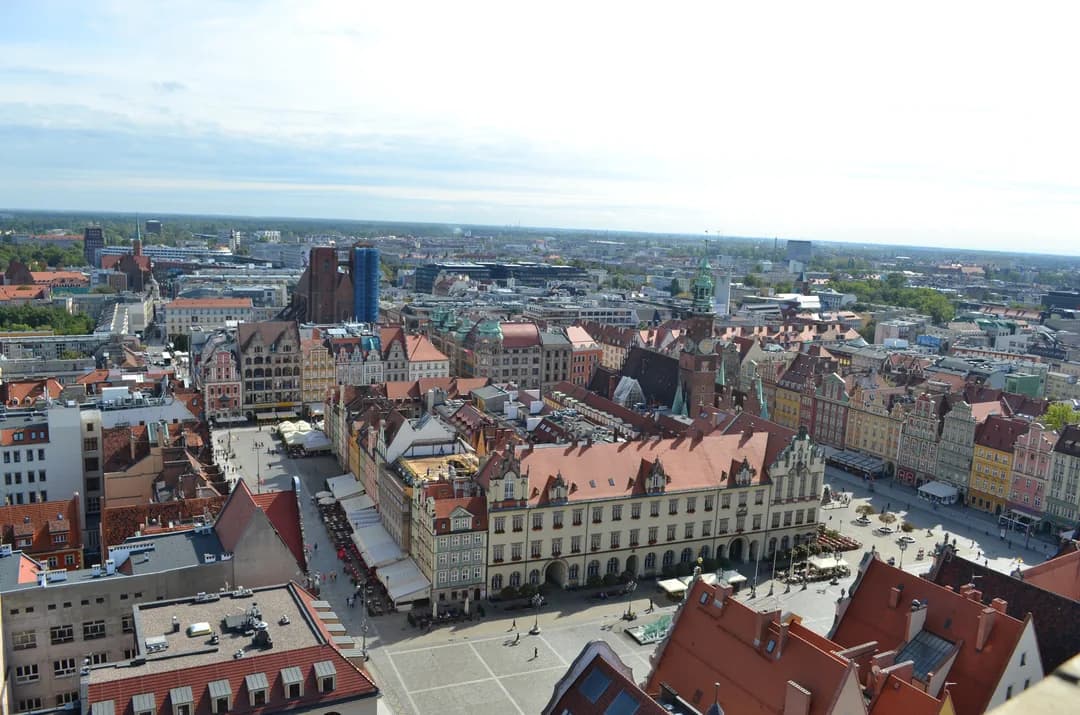
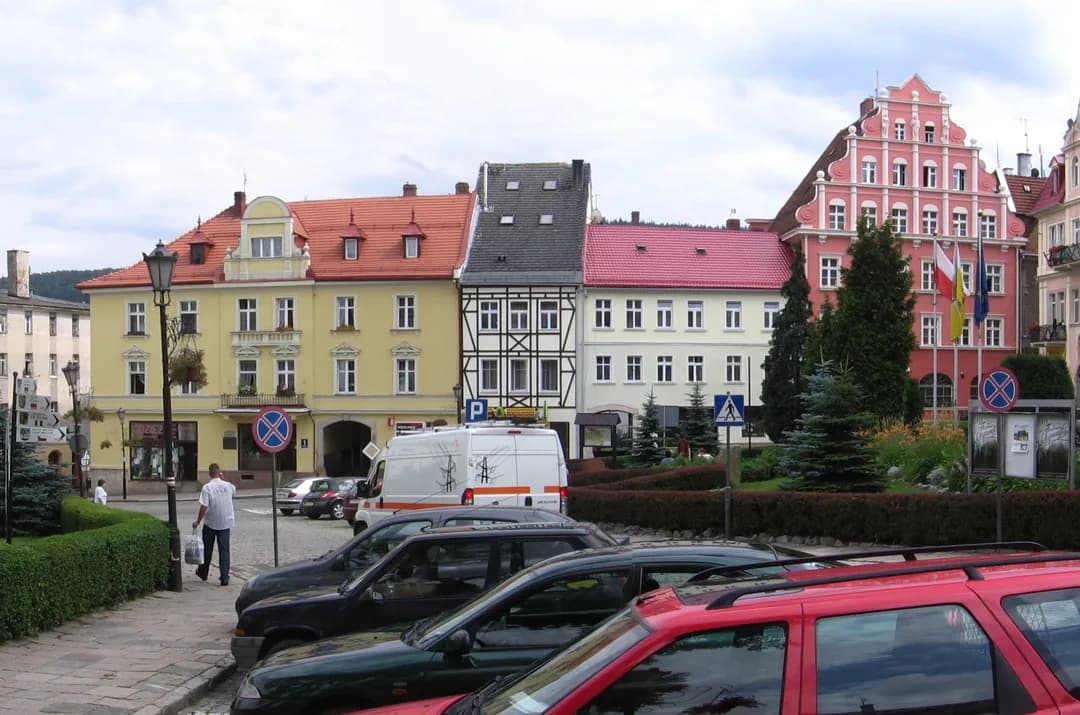
Most trips to Lower Silesia begin in Wrocław. Its Market Square was laid out in the 13th century and served for centuries as the city's main marketplace. Private cars can enter the square only in exceptional cases, so it's easiest to arrive by streetcar and get off at a stop such as Rynek or Świdnicka. Keep an eye out for the small bronze dwarfs that have become a city symbol; you'll find more of them on and around the square than anywhere else, and Wrocław holds a Dwarf Festival every September.
The Panorama of the Battle of Racławice, run by the National Museum in Wrocław, is a painting 15 meters high and 114 meters long that surrounds you on all sides. It's closed on Mondays, and your ticket also gets you into the National Museum's permanent exhibitions, the Ethnographic Museum, and the Four Domes Pavilion within three months.
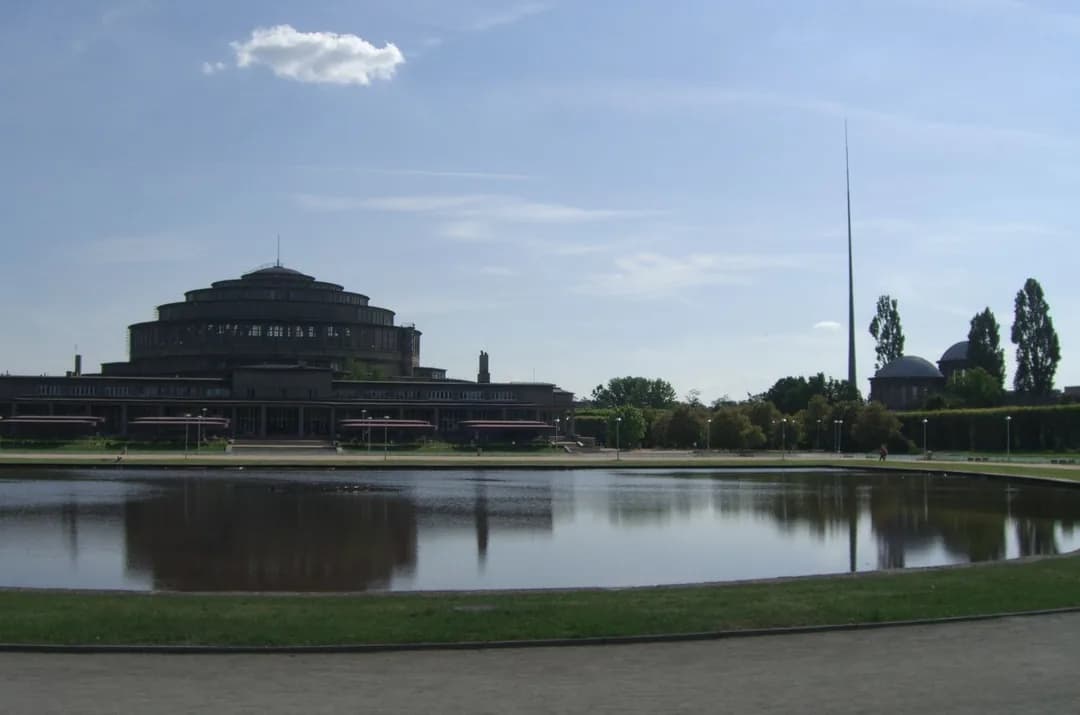
Centennial Hall
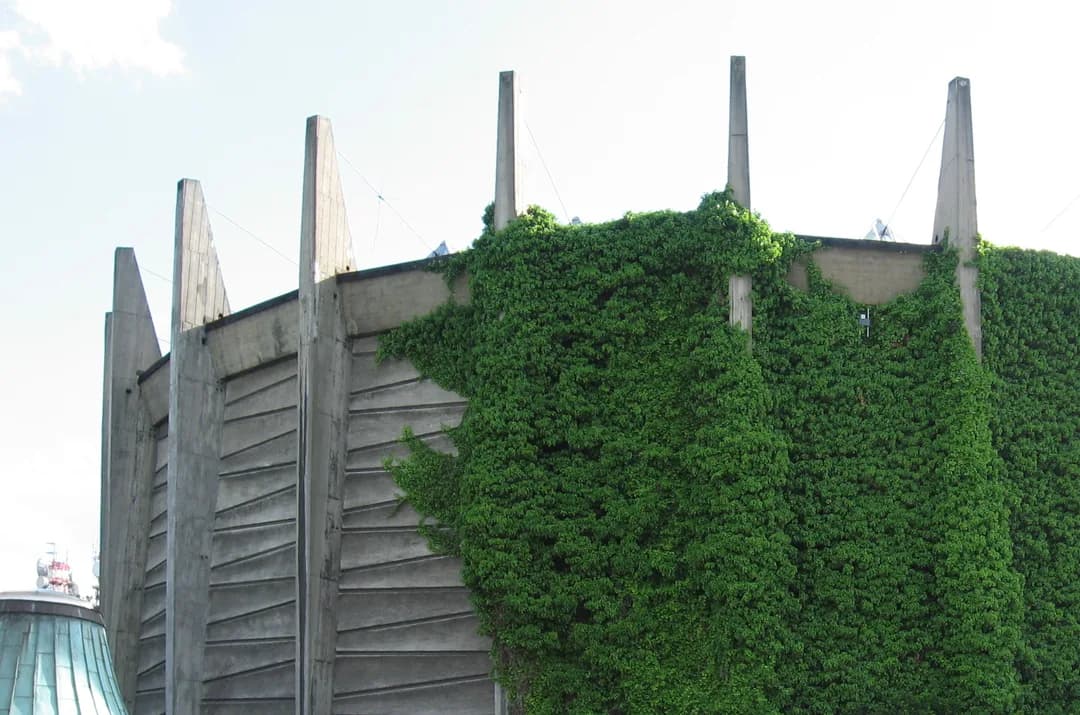
Max Berg built the Centennial Hall between 1911 and 1913, using reinforced concrete in a way that was new for its time, and UNESCO added it to the World Heritage List in 2006. The four-lobed hall seats about 6,000 people beneath a dome 23 meters high, crowned with a lantern of steel and glass.
Castles and Churches
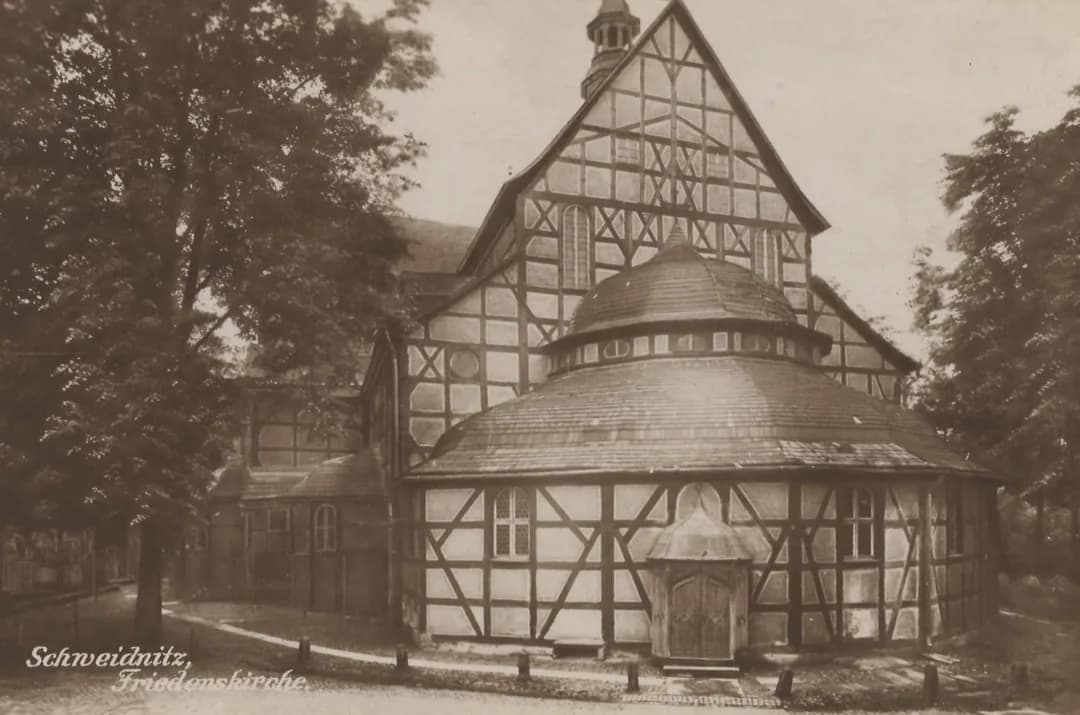
West of Wrocław, the Churches of Peace in Jawor and Świdnica were built for Lutheran congregations in the mid-1600s, a time of religious conflict after the Peace of Westphalia. UNESCO lists them together and describes them as the largest timber-framed religious buildings in Europe.
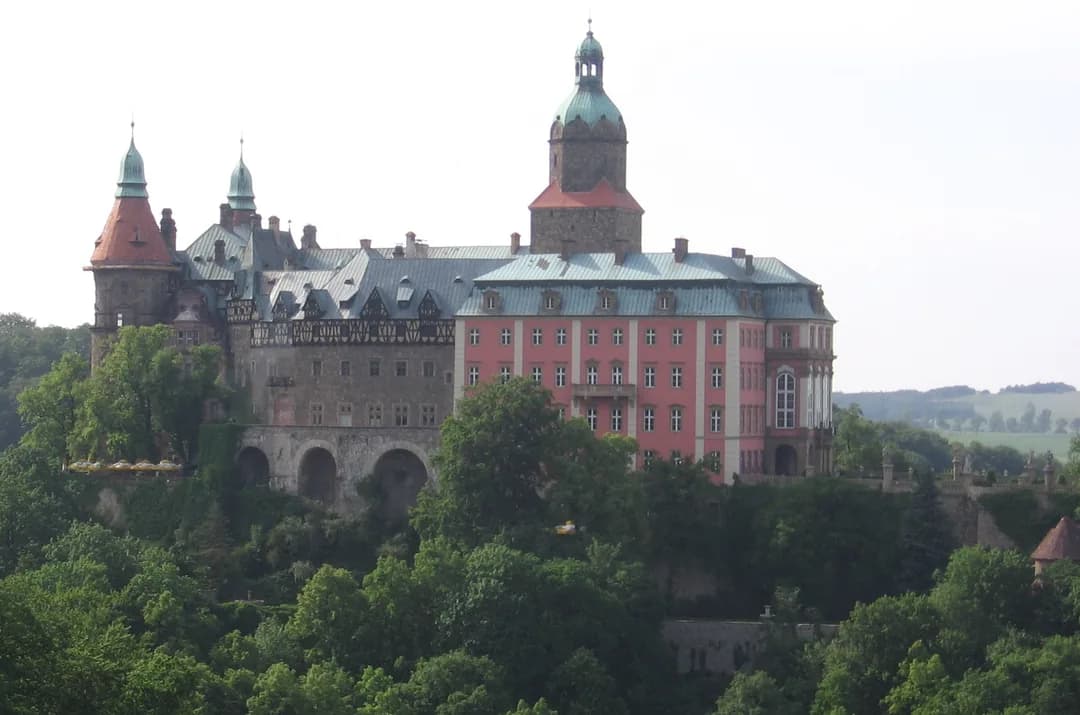
Książ Castle rises on a rocky promontory near Wałbrzych. Bolko I the Strict, Prince of Świdnica and Jawor, built the first fortress here between 1288 and 1292, and the Hochberg family held it for more than 400 years after 1509. During World War II, prisoners from the Gross-Rosen concentration camp were forced to dig tunnels beneath the castle, possibly as part of the Nazi Riese project; a section has been open to visitors as the Książ Underground since 2018. The castle calls itself the third-largest in Poland and the largest in Lower Silesia, and it also runs a Palm House.
In Legnica, the Museum of Copper, founded in 1962, occupies the Baroque palace of the Lubiąż abbots.
Mountains and Spa Towns
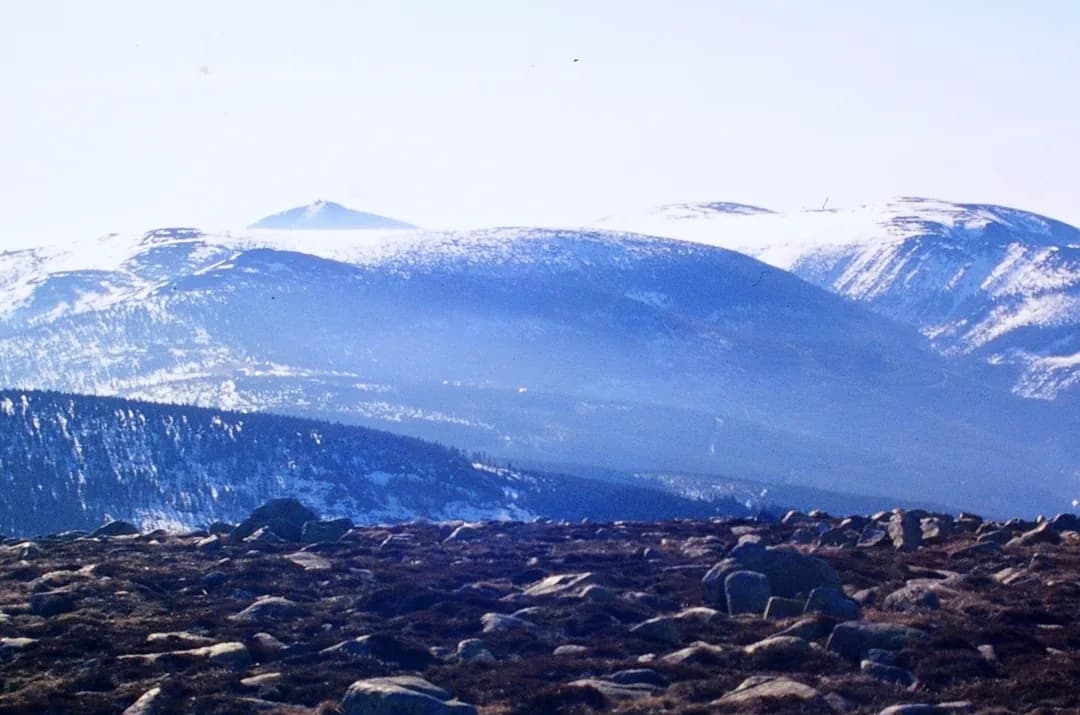
The Karkonosze range runs along the Polish-Czech border, and its highest peak, Śnieżka, reaches 1,603 meters (5,259 feet), the top of the whole Sudetes. In Karpacz, the national park's "Silesian Road" (Droga Śląska) educational trail starts at the park entrance beside the lower station of the Kopa cable car and climbs about 800 meters over 6.7 km (4.2 miles) to the summit. The park's estimate of 3 to 3.5 hours covers the way up only, so allow extra time to come back down. The park advises that May through September is the safest time, since some trails close in winter because of avalanche risk and ice.
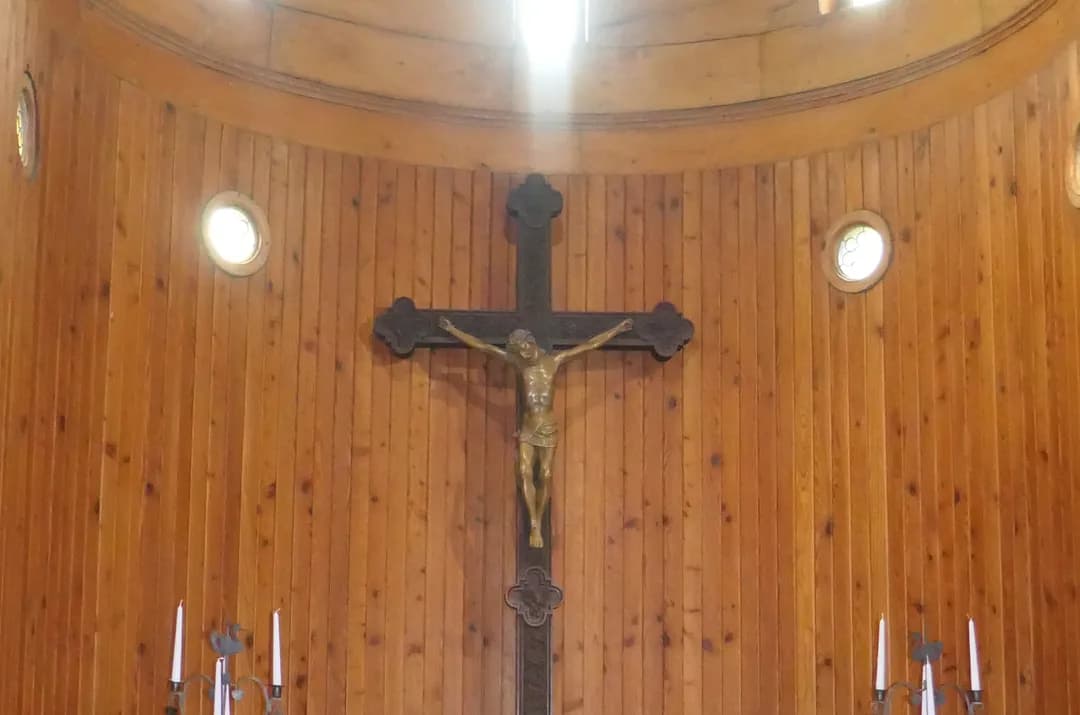
In Karpacz itself, the Wang Church is a wooden stave church built around the turn of the 13th century in Vang, in southern Norway. King Frederick William IV of Prussia bought it, had it dismantled and shipped to Prussia, and attended its consecration in Karpacz in 1844.
Kłodzko Valley
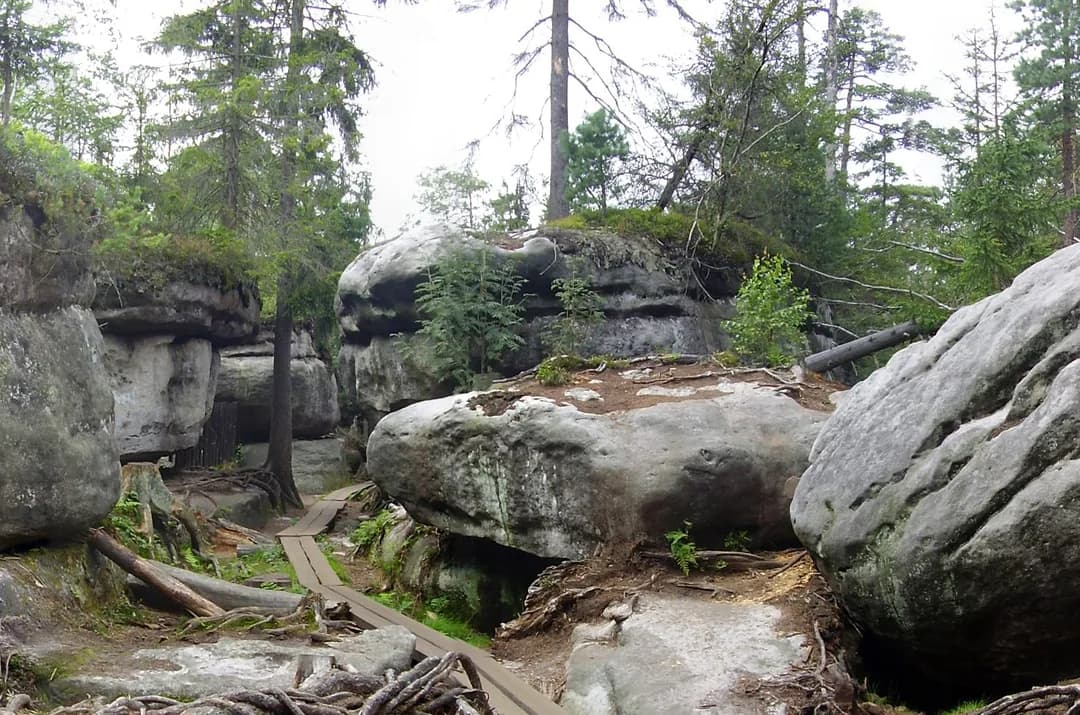
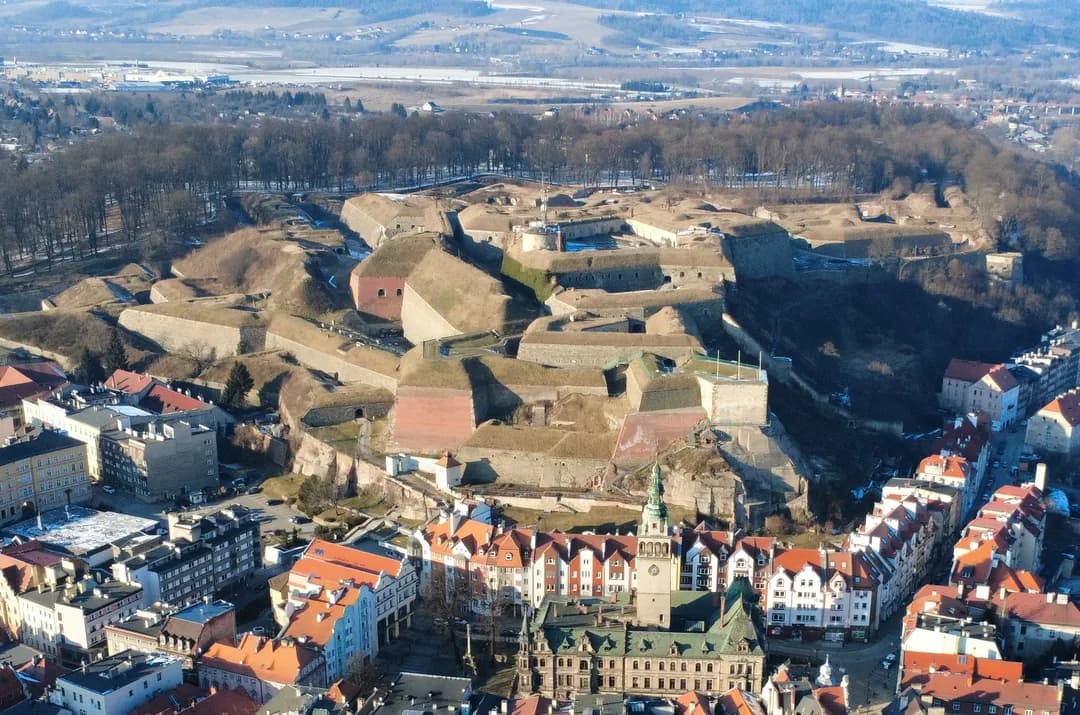
Farther southeast, the Table Mountains National Park is free to enter, but the rock trails on Szczeliniec Wielki and Błędne Skały have timed tickets with hourly limits during the season, so buy them online, especially in summer. Kłodzko Fortress stands on a hill where a stronghold was first recorded in 981, and in the spa town of Duszniki-Zdrój, the Museum of Papermaking occupies a mill whose origins date to before 1562. Duszniki also hosts the International Chopin Piano Festival every August, held since 1946 to mark the young composer's stay in the town in 1826.
Getting There and Around
Wrocław Airport lies about 10 km (6 miles) from the city center. As of November 2026, bus 106 leaves the airport for the Main Railway Station about every 15 minutes during the day, and the timetabled ride takes about 40 minutes; taxis also wait outside the terminal. Wrocław makes a good base for day trips, but the mountains and the Kłodzko Valley are easier with an overnight stay. To plan the rest of your trip, explore more of Poland.