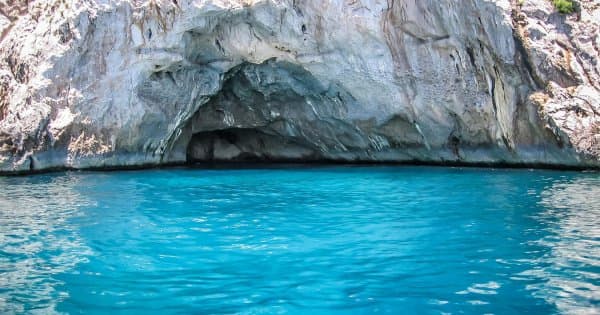
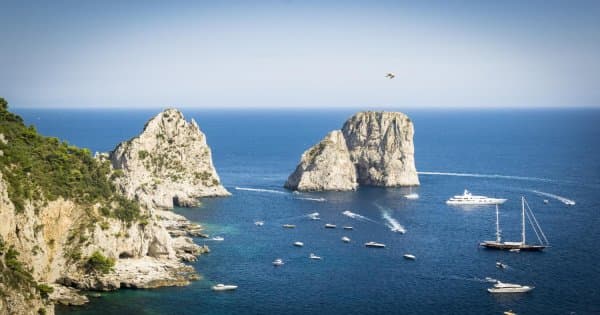
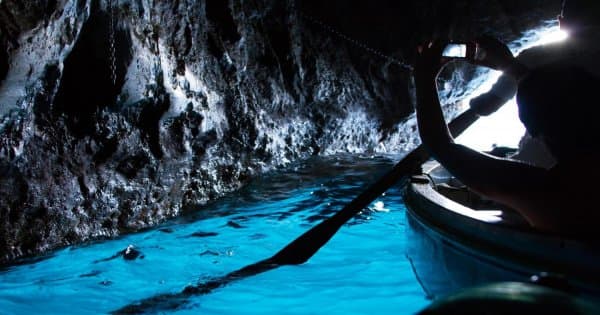
Join us on this classic journey from Rome by deluxe coach to explore this treasure of the Mediterranean: Capri Island – the muse to poets, painters, and musicians will charm you!
Check availability

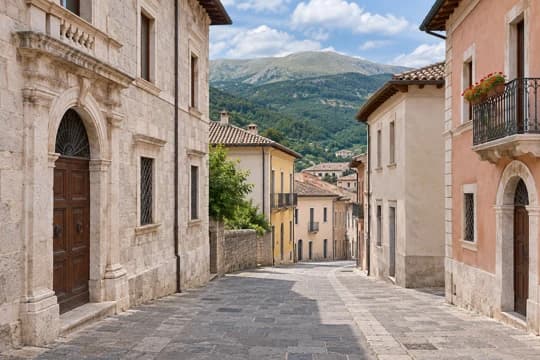
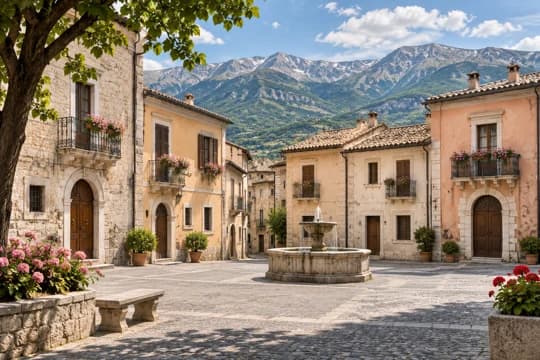
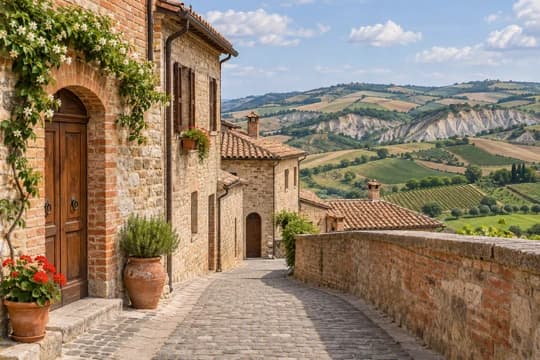
Abruzzo changes character as you travel inland from the Adriatic. Wooden fishing structures stand above the water on the Costa dei Trabocchi; farther west, stone villages give way to the open heights of the Gran Sasso and the wooded valleys of the Majella. Between these landscapes, L’Aquila and Sulmona offer streets, churches, and squares worth exploring in their own right. Choose the part of the region that fits your trip rather than racing between coast and mountains. A few well-planned days can combine cultural visits and time outdoors, with room for local food, changing weather, and the practicalities of reaching smaller places.
Join us on this classic journey from Rome by deluxe coach to explore this treasure of the Mediterranean: Capri Island – the muse to poets, painters, and musicians will charm you!
Check availability
Join us on this classic journey from Rome by deluxe coach to explore this treasure of the Mediterranean: Capri Island – the muse to poets, painters, and musicians will charm you!
Check availability
Take a break to visit Capri: one of the most beautiful and famous island in Italy, the "Pearl of the Mediterranean”
Check availability
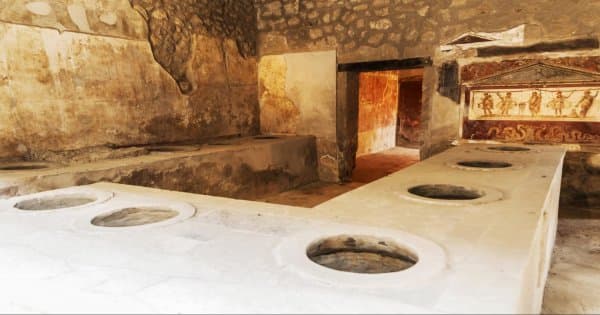
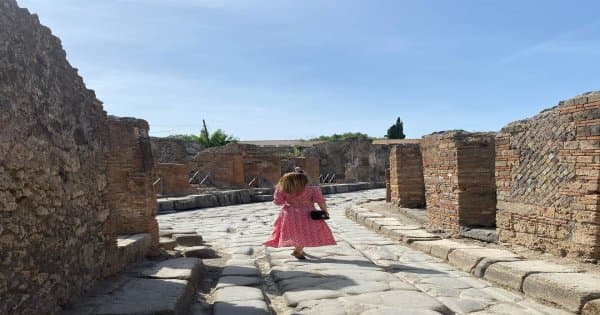
Discover the beauty of Pompeii, one of the world’s most fascinating archaeological sites, grab your dedicated audio headsets and plug out the rest of the world as you make your way towards discovering the ancient city of Pompeii
Check availability
Seize the opportunity to visit the world-unique Pompeii, the Roman city killed by the Mount Vesuvius, now a silent volcano. You will spend a day surrounded by culture, with an overview of the haunting ruins of Pompeii, travelling back in time to the tragi
Check availability

Give L’Aquila time as a destination, not just a gateway to the Gran Sasso. Explore its streets and civic spaces, and plan a visit to Santa Maria di Collemaggio if access suits your day. The city’s restoration story deserves a careful approach: confirm individual opening arrangements rather than assuming every interior is available. A focused cultural walk can be more rewarding than a hurried circuit.

Sulmona offers a town-centered pause between larger landscapes. Start around Piazza Garibaldi and the arches of the historic aqueduct, then follow the streets toward the Annunziata complex. The town’s association with sugar-coated almonds adds a distinctive stop along the way. Leave time for the center itself rather than treating it only as a meeting point for an excursion farther afield.

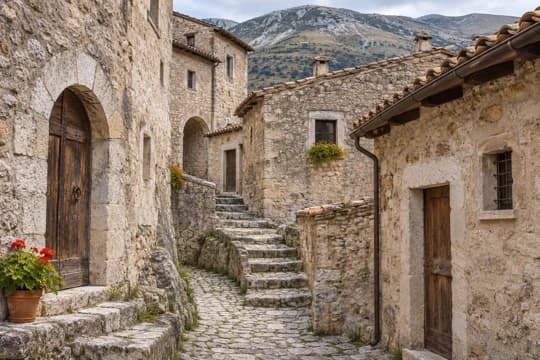
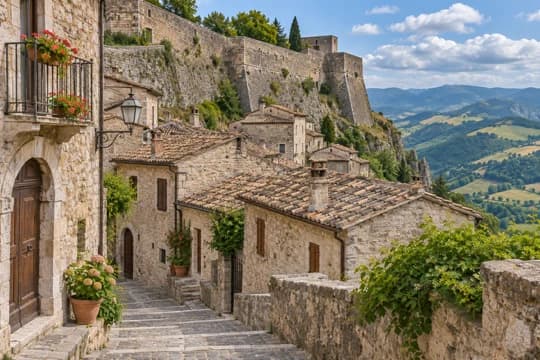
On the L’Aquila side of the Gran Sasso, Santo Stefano di Sessanio is best approached on foot: stone buildings, close-set lanes, and details around doorways. Its history includes links with the Medici and the wool trade. Allow time to explore without assuming every tower or museum can be entered, and check the approach and parking before arrival.

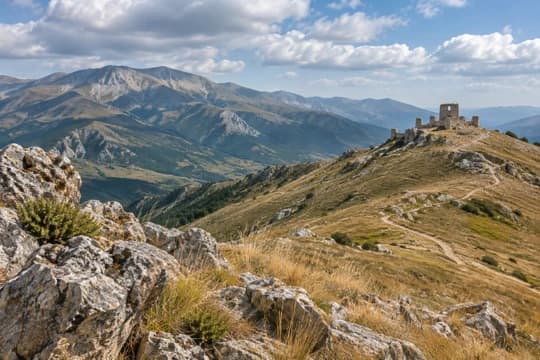
The fortress at Rocca Calascio stands above a mountain landscape that gives the visit much of its appeal. Plan the approach carefully, including current traffic arrangements and the walk to the site. Uneven ground and exposure can matter more than the apparent distance. Choose conditions that suit your group, and avoid turning a desired photograph into a reason to ignore weather or access restrictions.

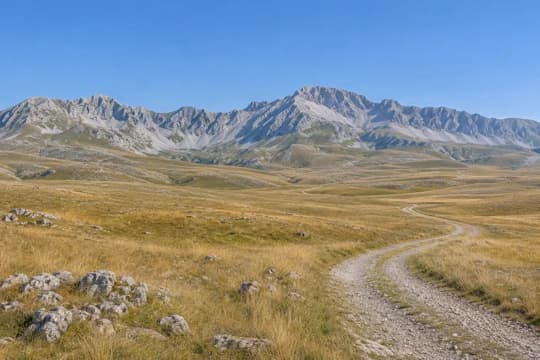
Campo Imperatore opens into a broad plateau within the Gran Sasso landscape. Its scale invites a slower look at the surrounding mountains rather than a quick dash between viewpoints. Decide whether you want sightseeing or a properly planned outdoor activity before going. Current road access, weather, and the demands of any trail must be checked separately; reaching the plateau is not the same as preparing for a summit.

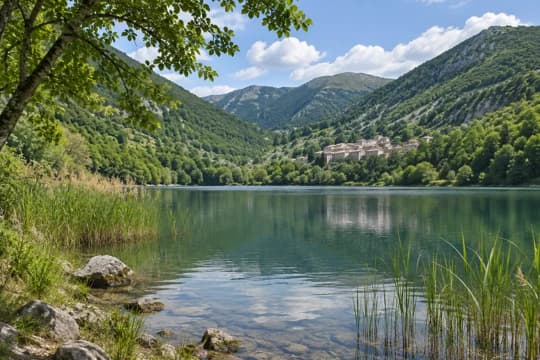
Make time for both Scanno’s historic streets and the nearby lake instead of expecting one to substitute for the other. The village offers stairways, arches, and closely gathered buildings; the lake changes the setting. A viewpoint hike is a separate outing from a lakeside stop, so check its gradient and conditions. Do not assume the familiar heart-shaped photograph reflects every view from the shore.

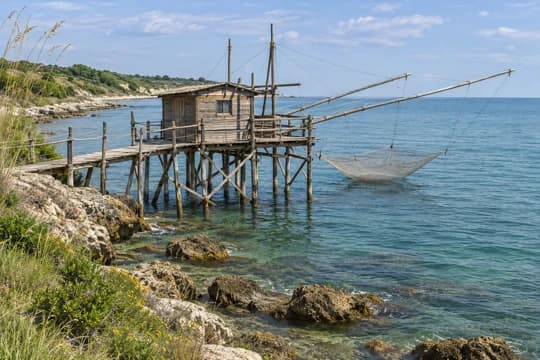
The Costa dei Trabocchi is defined by wooden fishing structures projecting over the Adriatic and linked to land by narrow walkways. Choose a section of coast to explore rather than trying to stop at every named structure. Some trabocchi provide dining experiences, but access varies. Confirm any reservation directly, and check the surface and facilities of a coastal walking or cycling route before committing to it.

Atri provides a cultural stop inland from the Adriatic, with the cathedral of Santa Maria Assunta as an important focus. Start with Piazza Duomo and the town around it, then check which parts of the cathedral are currently accessible. Conservation work can affect interior viewing, so do not build the whole visit around an unrestricted fresco experience. Leave time to explore beyond the church.

Civitella del Tronto sits in northern Abruzzo near the Marche border, its fortress rising above the village. A visit can pair the historic lanes with the military complex, but confirm opening arrangements and the physical demands of the approach first. Allow enough time to understand the site rather than treating it as a viewpoint alone. Slopes and exposed areas may influence your route.

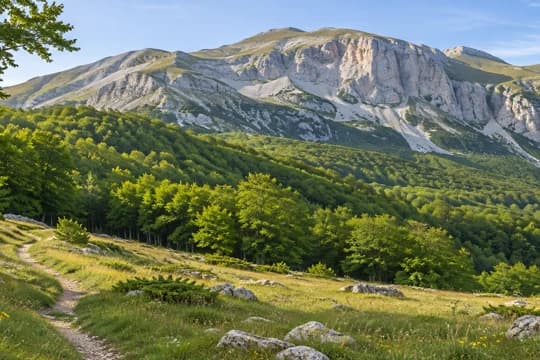
The Majella offers a landscape of mountains, valleys, and human traces best explored through a carefully chosen route. Start with the park’s information rather than selecting a walk solely from a photograph. Check difficulty, current closures, and rules for your activity or pet. A visitor center or a qualified guide can help shape an outing that respects both your abilities and the protected environment.
Abruzzo is not one continuous resort or a single national park. Its Adriatic coast, inland basins, and mountain areas offer quite different trips. A coastal stay can combine time by the sea with towns such as Atri or the places along the Costa dei Trabocchi. An inland journey might center on L’Aquila and the Gran Sasso villages, or Sulmona and the approaches to the Majella.
For a short trip, choose one area and explore it properly. With more time, divide your stay between the coast and the interior. That gives each landscape its own morning and evening, rather than turning the mountain portion into a long drive between beach days.
The fortified skyline of Rocca Calascio and the fishing structures of the coast tell very different stories about life in Abruzzo. In Sulmona, the aqueduct beside Piazza Garibaldi provides a focal point for a walk through town. Santo Stefano di Sessanio rewards attention to the scale of its lanes and stone buildings. L’Aquila’s churches and civic spaces deserve time beyond a stop on the way into the mountains.
Choose a specific church, museum, or monument when an interior matters to you, and confirm access before arriving. Restoration work and religious services can affect what is visible. Do not assume that the completion of one restoration means every building or part of a historic center is accessible.
Coastal towns and larger transport hubs are a different proposition from a remote village or a mountain trailhead. Check rail and bus connections against the precise place you are staying, including the return journey. A car or arranged transfer may make a dispersed itinerary more practical, but neither removes seasonal road restrictions, parking limits, or the need to walk.
Before visiting Rocca Calascio or Campo Imperatore, check the current local access arrangements rather than relying on an old route description. Allow extra time on mountain roads, and do not promise yourself a summit or sunset stop that depends on uncertain conditions. For a meal on a trabocco, confirm that the particular structure operates as a restaurant and reserve directly.
A village walk, a lakeside stop, and a high-mountain hike require different preparation. Campo Imperatore offers an expansive upland setting, but being able to reach a viewpoint does not make nearby summits easy walks. In the Majella, route difficulty, terrain, and the weather should shape the day. Ask park staff or a qualified guide for help when selecting an unfamiliar outing.
The protected areas have their own rules and temporary restrictions. Consult the responsible park’s current information for your route, including access with dogs, bikes, or horses. Keep wildlife wild: never feed or approach animals for a photograph. Stay on permitted routes and respect closures intended to protect habitats as well as visitors.
A warm day on the Adriatic does not describe conditions high in the interior. Summer can suit a coast-and-culture trip, while mountain plans still need checks for storms and exposed terrain. Spring and fall can be rewarding for towns and lower-level walking, but snow or unsettled weather may affect higher routes. Winter sightseeing and winter mountain activities are separate kinds of travel.
Build an alternative around a town, museum, or leisurely meal rather than forcing an outdoor plan. Travelers with limited mobility should ask about exact entrances, gradients, surfaces, and transport arrangements. A picturesque village or famous viewpoint is not a guarantee of step-free access. The best itinerary is the one whose details work for the people taking it.